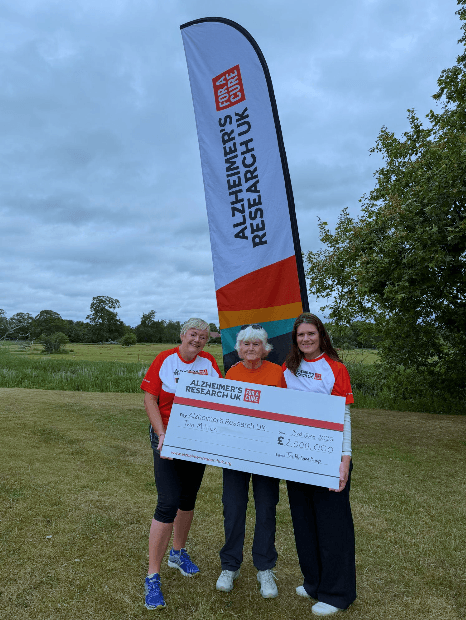
UK fragrance retailer's £2M charity tie-up signals brand-equity strategy; peer retailers should watch cause-marketing ROI as consumer confidence wobbles.
The Perfume Shop, the UK's largest specialist perfume retailer, has reached a £2 million fundraising total for Alzheimer's Research UK. The milestone was built through in-store donation campaigns, product-linked giving, and colleague fundraising events over several years. For a mid-sized specialist retailer, a £2 million charitable contribution is material relative to typical UK retail giving metrics, and it signals sustained customer engagement with a single cause.
The simple read treats the £2 million as a PR win and a brand differentiator. The better market read separates the cost from the value. Direct donations and forgone margin from cause-marketed products reduce near-term profitability. The true effect is a brand-equity investment that accrues over multiple quarters, especially when the cause – Alzheimer's Research UK – resonates with an aging demographic that overlaps heavily with fragrance purchasers.
This distinction matters because UK consumer confidence remains fragile. Charity-linked purchases tend to hold up better than full-price discretionary spending because the emotional component reduces price sensitivity. The Perfume Shop's campaign effectively converts a portion of each sale into a loyalty bond, which can stabilise footfall and repeat purchase rates even when the broader retail environment weakens.
The read-through for the broader UK retail sector is indirect but identifiable. Retailers that build long-term charity partnerships often report higher repeat purchase rates and stronger employee retention, both of which feed into same-store sales growth and operating efficiency. The Perfume Shop's focus on a health-related charity taps directly into the concerns of its core customer base – older, female, and health-conscious.
Peer retailers face a choice: compete on price or compete on purpose. The £2 million milestone suggests that purpose-based differentiation can work in specialty beauty, where brand perception drives shelf space and online search share. The supply-chain connection is thinner. Fragrance houses such as Givaudan and Firmenich are upstream and largely insulated from retailer-specific charity campaigns. The more relevant read-through is on the consumer side: watch for competitor copycat campaigns or partnership announcements from Boots, The Body Shop, or department-store fragrance counters.
One caveat separates the naive interpretation from the practical one. The £2 million is a cumulative total, not a quarterly run rate. Repeat contributions require ongoing operational commitment and customer willingness to donate at the point of sale. If donation-linked sales decline, the programme becomes a net drag on margin without the offsetting brand lift.
The next concrete catalyst is The Perfume Shop's announcement of a new fundraising target or a product collaboration tied to the Alzheimer's Research UK partnership. If the retailer sets a defined time horizon and a percentage-of-sales commitment, investors tracking UK consumer stocks should monitor footfall data and social sentiment metrics for the chain. A sustained rise in donation-linked sales would confirm that the £2 million milestone is a floor. A drop would signal fatigue and raise questions about the programme's long-term value.
For a broader perspective on retail trends, see the AlphaScala stock market analysis section. The sector read-through here reinforces a core principle: separating cause from correlation matters more than headline numbers.
This event does not change any single retailer's valuation today. It does, however, provide a reference point for measuring brand-equity investments across UK specialty retail. The next decision point is whether The Perfume Shop doubles down on the partnership or pivots to a new cause. Either move will offer a clearer signal on the ROI of purpose-based marketing.
Prepared with AlphaScala research tooling and grounded in primary market data: live prices, fundamentals, SEC filings, hedge-fund holdings, and insider activity. Each story is checked against AlphaScala publishing rules before release. Educational coverage, not personalized advice.