Stocks● Neutral
Pentagon blast tracking system struggles with staff shortages, GAO finds
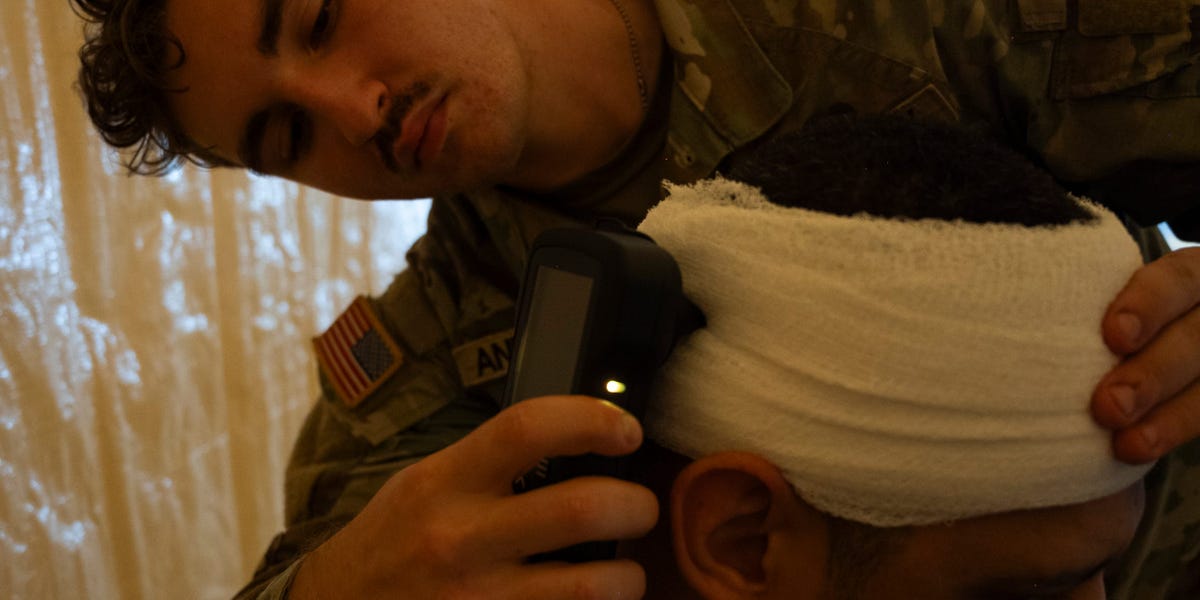
The Pentagon's new blast exposure tracking system has assessed less than 2% of high-risk troops, the GAO reports, citing insufficient staff and equipment.
Continue with
The Pentagon's new system to monitor service members' brain health and track exposures to blast overpressure has run into implementation problems, a government watchdog found. The Government Accountability Office released a report last week detailing how the military services lack sufficient staff and equipment to complete required cognitive assessments for high-risk personnel.
The Defense Department began requiring baseline cognitive tests for newly enlisted troops and active-duty personnel in jobs considered at increased risk of blast exposure – including artillery, infantry, explosive ordnance disposal, and some aviation roles. The tests measure attention and memory, allowing providers to compare future results against individual baselines to assess how repeated exposure affects troops over time. The Pentagon also directed the services to begin tracking potential exposures to blast overpressure, the forceful waves generated when certain weapons are fired or when explosives detonate, and set new distance requirements for how far troops should stand from certain weapons.
The new requirements came amid growing concern that repeated blast exposure in training and combat can affect brain health. Troops who have been exposed to blast waves may report headaches, slower cognitive processing, trouble concentrating, and memory problems after exposure. Repeated exposure can also contribute to traumatic brain injury, the effects of which can last a lifetime.
Service members described their reactions after exposure to the GAO. One said after an exercise with breaching weaponry that they felt "rattled, dizzy, and were throwing up." Another described firing a rocket launcher, telling the watchdog that it felt like "taking a hit from a [football player] going 150 miles per hour."