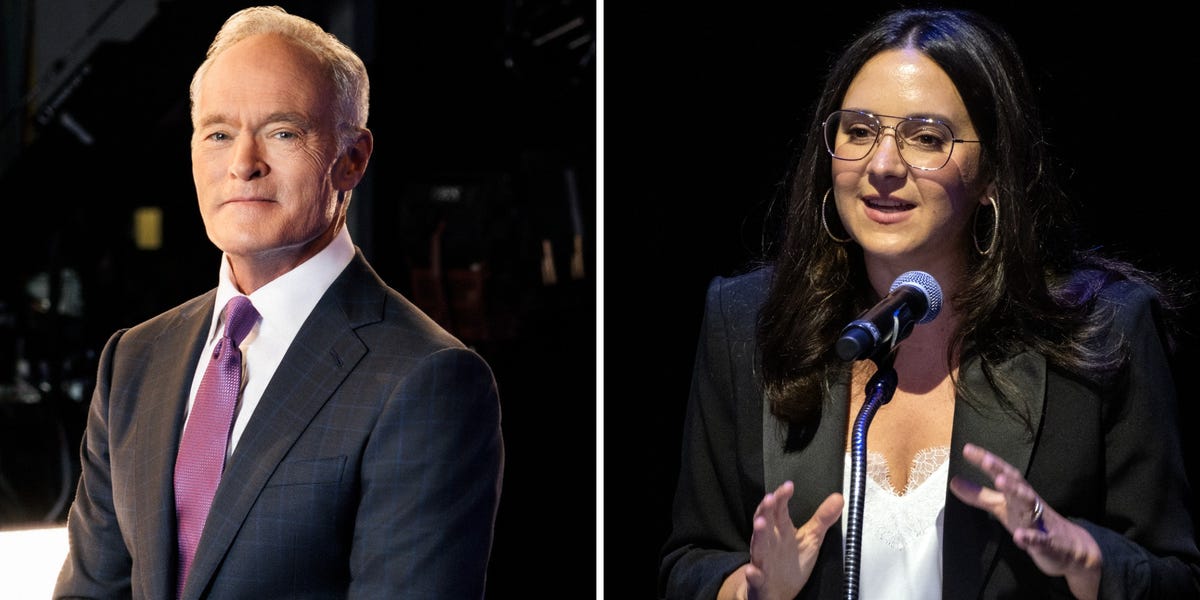
CBS News fired veteran 60 Minutes correspondent Scott Pelley last week. The termination followed a clash with Executive Producer Nick Bilton and public criticism of Editor-in-Chief Bari Weiss. Pelley now alleges that Weiss is directing coverage to align with the Trump administration's preferred narrative. The accusation, if it gains traction, threatens the network's editorial credibility and internal morale.
The firing caps a layered internal conflict. Pelley disputed editorial decisions on a 60 Minutes segment with Bilton, according to sources familiar with the matter. Shortly after that confrontation, Pelley accused Weiss of putting a "thumb on the scale" to favor Trump's version of events. Weiss, a former New York Times opinion editor hired in 2021 to oversee standards, has been a polarizing figure inside the newsroom since her arrival. This incident turns that tension into a public crisis.
The Specific Charge Against Bari Weiss
Pelley's claim is the most concrete accusation yet against Weiss's editorial management. He did not provide examples in the available reporting. The allegation carries weight because of Pelley's reputation. A veteran of more than two decades at CBS News, he has reported from war zones and interviewed sitting presidents. A correspondent of his standing going public with such a critique signals deep dissatisfaction inside the ranks.
If Weiss is tilting coverage, the mechanism is likely subtle: story selection, framing of questions, choice of guests, and tone in the editing process. These are the tools an editor-in-chief can use to shape narrative without issuing explicit directives. Whether that amounts to a systematic slant is the question that will define the fallout.
What the Accusation Means for CBS News
Viewer trust is the immediate asset at risk. A credible charge of political bias – especially one linked to a sitting president – erodes the network's claim to objective reporting. CBS News competes directly with ABC, NBC, and Fox News for a shrinking audience of news viewers. Any perception of bias can drive viewers to competitors or to partisan outlets.
Internal morale will take a hit. Pelley's firing, and the reason behind it, will circulate quickly through the newsroom. Journalists who already questioned Weiss's appointment will see the firing as a purge of dissent. Others may feel pressured to self-censor on stories touching the White House.
Reputational risk extends to Paramount Global, CBS's parent company. If the story gains traction in the broader press, it could distract from the company's core business and invite unwanted scrutiny from investors and advertisers who prize stability.
The Next Decision Point: Trust and Transparency
CBS News has not commented on the specifics of Pelley's allegation. The network's next move will determine how far this crisis spreads. A clear, transparent explanation of what led to the firing – and an unequivocal statement on editorial independence – could contain the damage. Silence or a defensive response will feed the narrative that the accusation has merit.
For viewers and industry observers, the concrete marker to watch is any shift in 60 Minutes content over the next few sweeps periods. If the investigative tone softens on stories critical of the administration, Pelley's charge will gain circumstantial support. If the network doubles down on hard-hitting pieces, it may signal that Weiss's influence is not absolute. The next quarterly ratings report from Paramount Global will also hint at audience reaction: a sharp decline in CBS News viewership could force a corporate review.
This is now a test not just of Bari Weiss's leadership, of the institutional spine of CBS News. The way the network handles the fallout will either restore confidence or deepen the rift. The next few weeks will tell.