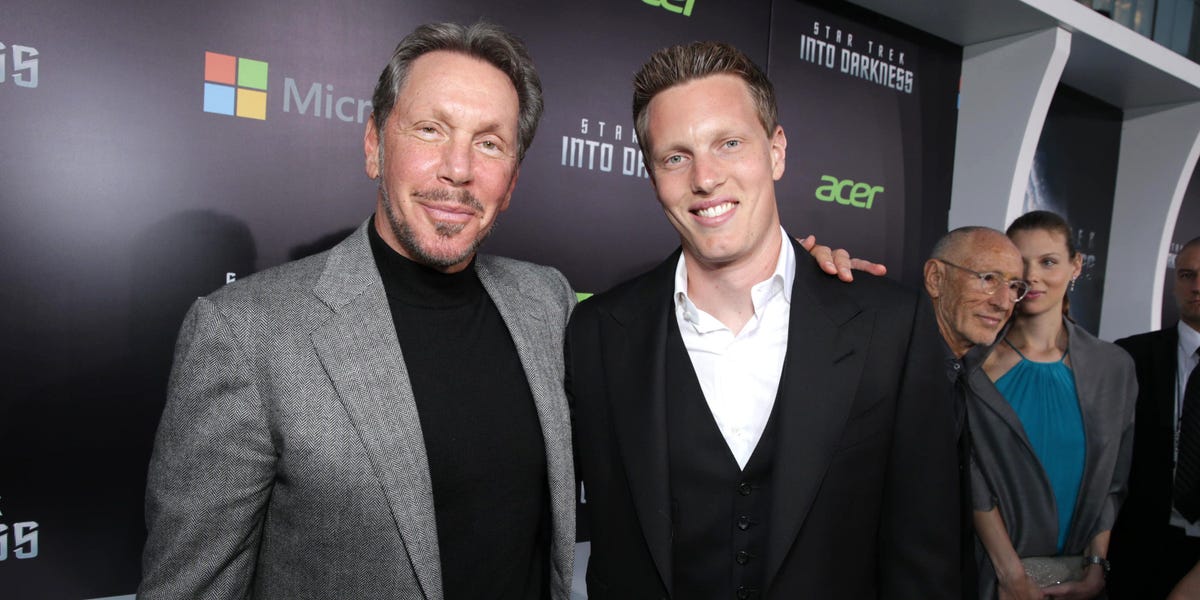
Until last week, Hollywood and Wall Street assumed Larry and David Ellison's Paramount would soon own Warner Bros. Discovery. An antitrust lawsuit from California's attorney general and other states has upended that expectation. The deal is now stalled for months while the case moves through the courts.
There is plenty of spin and posturing around the suit. The uncertainty is real. I asked Bloomberg's Lucas Shaw, the reporter who has tracked the deal for nearly a year, to walk through what happens next: whether a settlement is possible before a verdict, how the November election could affect things, and what Netflix makes of it all.
Why a Settlement Is Hard
Shaw said the prevailing wisdom before the trial was that the Ellisons would find a settlement. "People thought that they would likely find some settlement before this trial started. That was the prevailing wisdom: That the states were fighting the deal because the Trump DOJ was not." The assumption was that the states were unlikely to win outright but could extract concessions.
The last month has shifted that calculus. "A lot of people, myself included, have realized that maybe they underestimated the forces fighting against the deal," Shaw said. He had believed the Ellisons would get it done through brute force and political favors. They outbid Netflix, spent months fighting the Netflix-WBD deal, and played a canny political game to eventually win.
A settlement may prove difficult because the Ellisons have offered behavioral remedies – promises to change how the combined company would act. The states want structural remedies: selling or divesting assets. "There are assets that Paramount and Warner Brothers could divest, and it wouldn't really hurt the combined company that much," Shaw said. "But they have not shown a willingness to get rid of things."
What the Election Means for the Deal
Democrats could retake all or part of Congress in November. Shaw sees that as a small worry. "There was never a lot that legislators could do about this deal," he said. With the federal government having blessed it, the fight is now in the courts. A Democrat-controlled House could be annoying, especially given the belief that David Ellison and Paramount's leadership have made CBS News friendlier to the Trump administration, and CNN will be part of the combined company. "There will be a lot of scrutiny of whatever happens with the news organizations," Shaw said. "But that is separate from the deal itself."
Netflix Watches From the Sidelines
Netflix's interest in Warner Bros. is dormant for now. Shaw said Netflix co-CEO Ted Sarandos told him after the deal fell apart: "Maybe this'll come around again." But Netflix's investors hated the deal, and the stock has continued to decline. "The threshold to reengaging on any deal like that would be really high," Shaw said.
Unless David Ellison has a dramatic change of heart, he is not giving up on this deal easily. "Every time [Bloomberg] publishes a story, you'll get an alert straight to your inbox," Shaw said, paraphrasing the newsletter pitch.
Warner Bros. Discovery carries an Alpha Score of 40 out of 100 on AlphaScala, labeled Mixed, in the Communication Services sector. The stock's path now depends on how the antitrust case unfolds and whether the Ellisons are willing to give ground on divestitures.
The next concrete marker is the trial itself. No settlement date has been set. Shaw's view: "They may still prevail."