Kinross Gold heads into its second-quarter report with a split production picture. The Nevada assets delivered softer output than plan. Recovery rates at Paracatu in Brazil picked up enough to cushion the gap. The net effect leaves overall production broadly in line. The risk concentrates in cost, not volume.
The Nevada softness is the item that matters for the quarter's all-in sustaining cost line. Lower tonnage at fixed site overhead pushes unit costs up before any grade shortfall is added. Kinross has twelve-month guidance that embeds a blended production target across its three regions. A drag from the U.S. assets forces Nevada to absorb more of the fixed burden, raising AISC above the midpoint had implied.
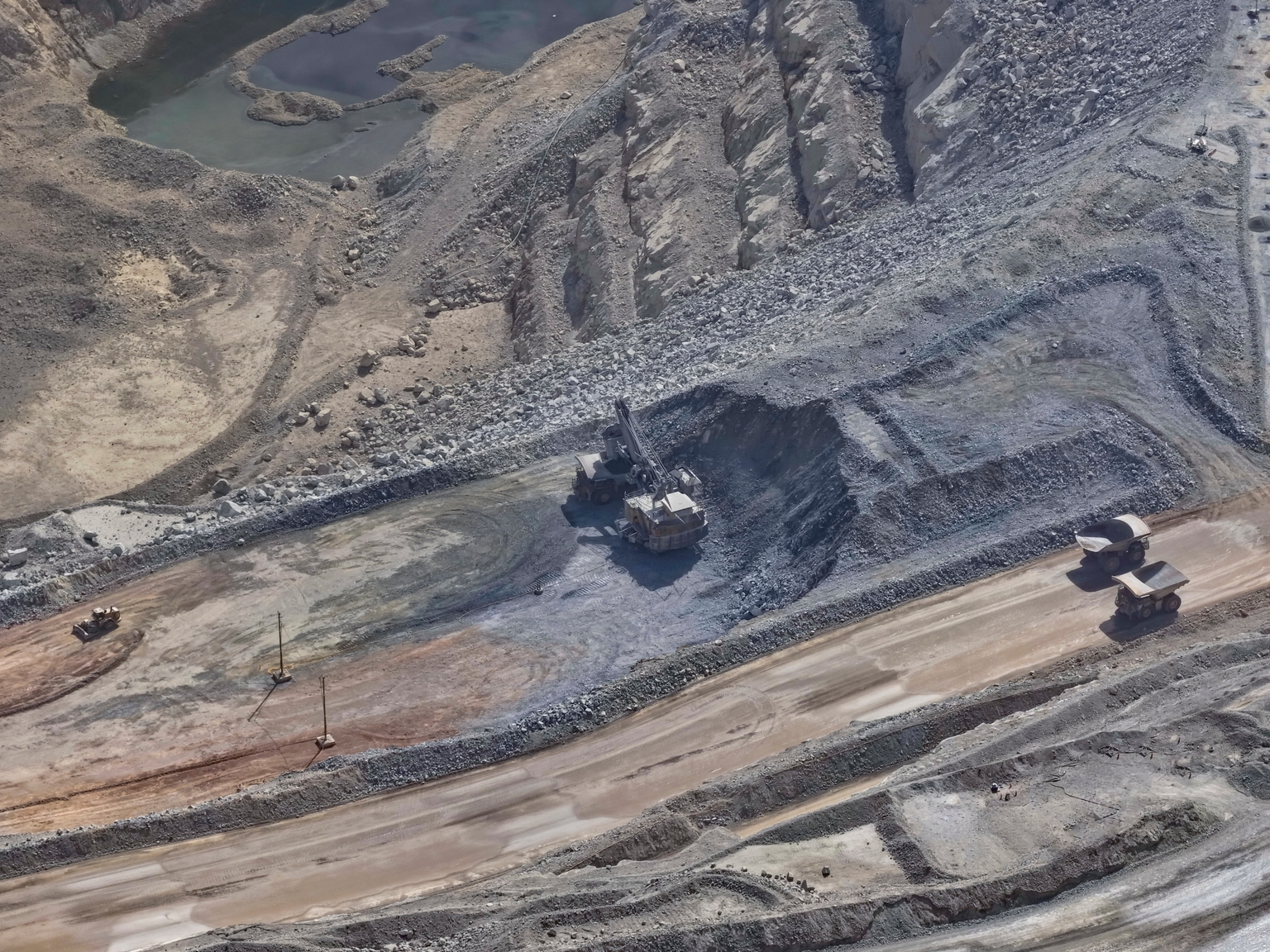
Paracatu has been the offset. The operation is a large open-pit deposit in Minas Gerais with historically steady recoveries. An improving recovery curve there adds gold-equivalent ounces at nearly zero marginal cash cost. Even a modest gain has an outsize effect on the group's margin. With gold above $2,700 an ounce, the market's tolerance for a grade miss in Nevada is high. The recovery signal from Brazil is what traders treat as the leading input.
Two things would make the setup worse. A further slip in Nevada ore through grades into the second half would test full-year guidance and reset the midpoint. If Paracatu's recoveries stall at the current level rather than improve, the cushion disappears. The liability floor for that scenario is low, given the sector's elevated cash flows. Real watchpoint for the numbers.
What neutralizes the risk is if management confirms Paracatu's recovery gain extends through the back half of the year and Nevada grades revert to the life-of-mine profile. The encouraging part of the picture is modest guidance itself: production within reach, costs near the low end of the AISC band, and spot gold pricing far above the plan's price deck.
The Alpha Score of 79, graded Strong, suggests the sell-side and valuation case holds. The tracked risk is not financial distress or liquidity pressure – the balance sheet is fine and the gold profile has been supportive. The risk is entirely operational: one site carrying less volume than modeled, and the quarter's cost print being a touch higher than the narrative implied.
Full second-quarter results, including site-by-site production and the AISC reconciliation, drop later in the reporting cycle. That disclosure, not the initial top-line estimate, decides whether KGC stock page holds its ground or trades back toward the lows of the correction.