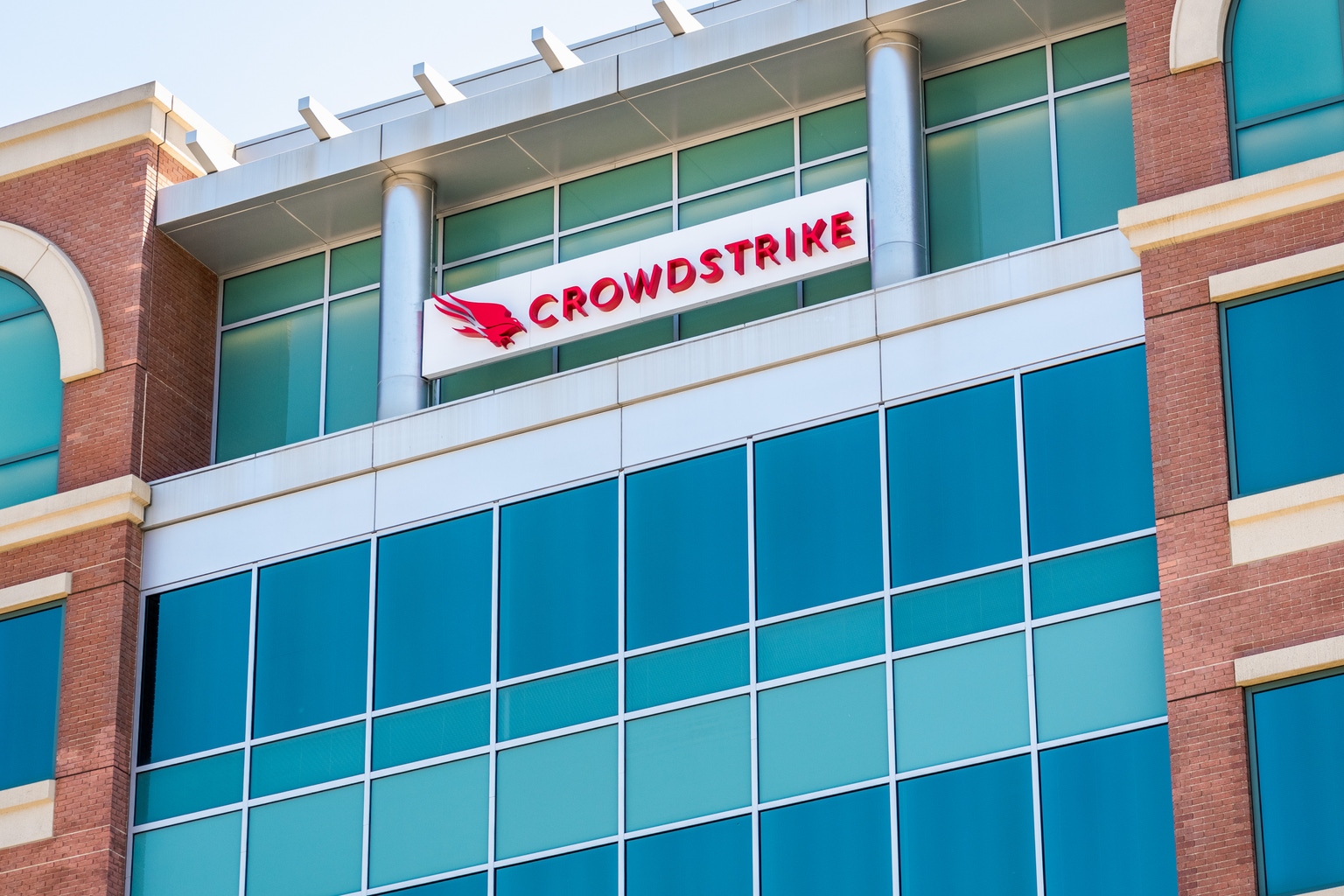
A sweeping sell-off in cybersecurity stocks this year has one glaring exception: CrowdStrike. The sector's slide tracks the rapid rise of Anthropic's Mythos, an AI model whose offensive capabilities have sparked fears that traditional endpoint protection will be commoditized. Most cyber names have been hammered as funds reprice the risk of AI-driven margin compression, yet CRWD shares have barely budged from their premium multiple.
The simple read is that CrowdStrike is somehow immune. The better market read is that the stock is pricing in a stack of assumptions about platform stickiness, network-effect data moats, and the ability of its Falcon architecture to absorb AI-native threats without giving up pricing power. Every one of those assumptions now becomes a line of risk to track.
Anthropic's Mythos Upends the Cybersecurity Trade
The core mechanism is not theoretical. Mythos can generate novel attack chains at scale, automate reconnaissance, and craft exploits that evade signature-based detection faster than most human red teams. That fundamentally challenges the business model of any vendor whose edge is built on static threat intelligence feeds or a heavy reliance on analyst triage.
When a model can generate 10,000 zero-day variants overnight, the comparative advantage shifts from knowing yesterday's indicators to predicting tomorrow's attack surfaces in real time. Many cybersecurity firms lack the inference infrastructure and the proprietary training data to meet that demand without a massive cost increase, which would compress their operating margins. That is the repricing the market has already delivered to the sector.
CrowdStrike's stock has sidestepped that repricing, carrying a price-to-sales ratio that still reflects durable growth, not a commoditized utility.
CrowdStrike as the Standout: What the Market Is Pricing In
Investors holding CRWD through this drawdown are not betting that Mythos will fail to improve. They are betting that CrowdStrike's data advantage creates a feedback loop that AI-agnostic competitors cannot replicate. The Falcon platform ingests trillions of endpoint events daily, trains on attacker behavior in real time, and correlates across cloud, identity, and endpoint simultaneously. That telemetry flywheel is the only tangible moat in a world where the attack toolchain is becoming largely automated.
Yet that flywheel must be financed. Maintaining the compute overhead required to process and model against AI-generated threats means higher cloud infrastructure spend and intense engineering expense. The market is therefore accepting a thesis where revenue growth stays high enough to absorb the cost while keeping operating leverage intact. Any slip in net-new ARR or gross retention will question the premium.
AlphaScala's blended factor model captures that tension. CRWD carries a mixed Alpha Score of 41/100, reflecting both its premium pricing relative to the rest of technology and its stronger-than-average top-line trajectory. That score does not call the direction; it flags that the stock is priced for a clean execution path with limited tolerance for noise.
That Expiration Date: Next Earnings and Threat Intel Update
The timeline on this risk repricing is tied directly to CrowdStrike's next quarterly release. If the update shows ARR growth decelerating, or if threat intelligence briefings highlight a rising share of attacks that originated from AI-generated tooling and were only partially blocked, the durability premium will come under pressure. Conversely, a steady beat accompanied by evidence that Falcon's AI-native modules are winning net-new deals specifically because of the Mythos threat landscape would reinforce the exception.
What would make the risk worse is a high-profile breach at a Falcon-protected enterprise that exploited a Mythos-style automated attack chain. Even if the breach were contained, the narrative shift would be immediate and would likely force a re-rating of the entire next-gen cybersecurity cohort. What would reduce the risk is clear regulatory tailwinds or mandates that favor incumbent platforms with deep embedded footprints, making switching costs too high regardless of AI tooling.
For now, the market's differentiation between CrowdStrike and the rest of the cyber sector is a live bet that AI-driven offense can be met with AI-driven defense without destroying the economics of the defender. The next earnings print will be the first data point that either validates the bet or forces the street to admit that the premium was borrowed time.