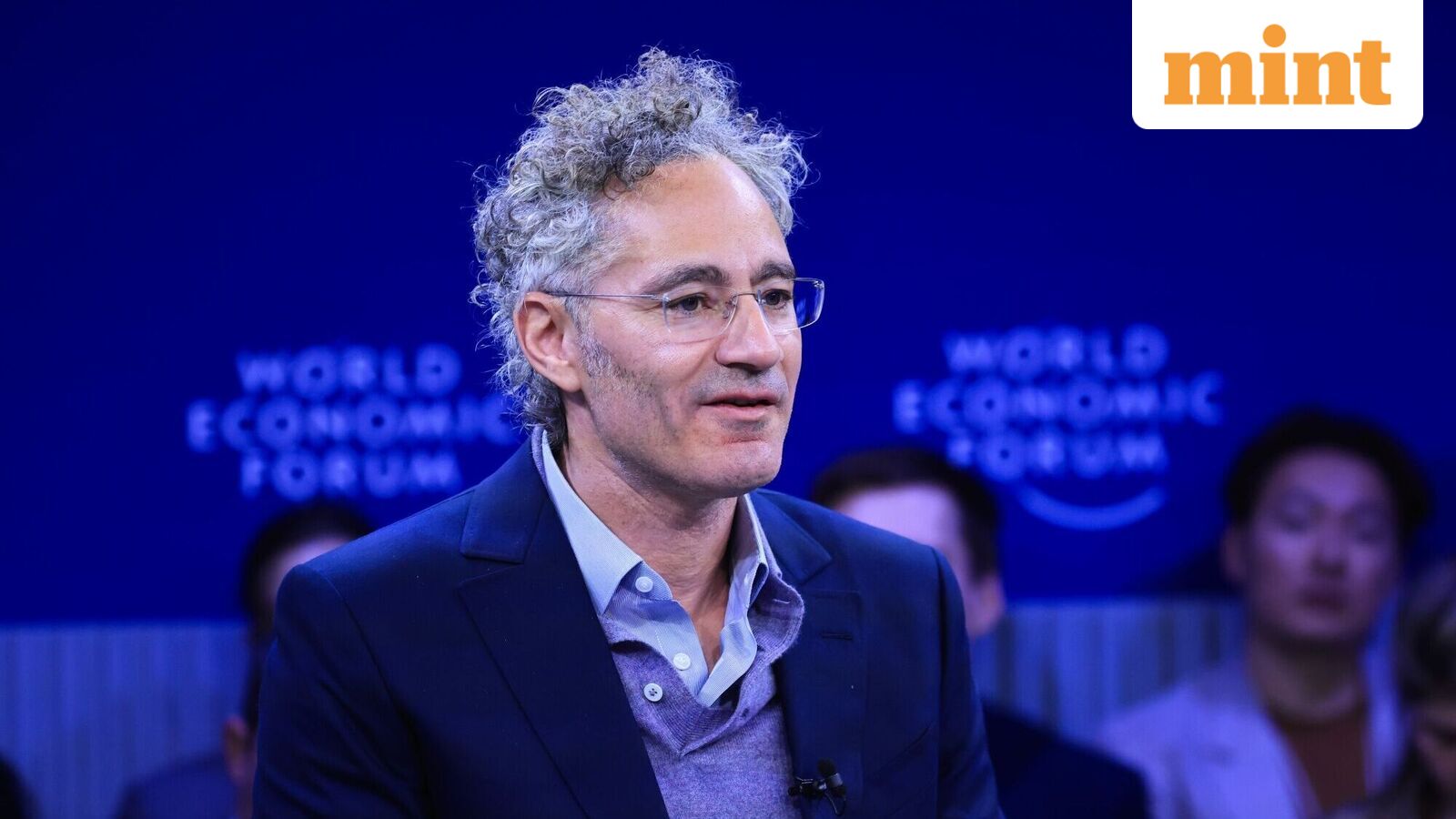
Alex Karp, the chief executive of Palantir, used a CNBC appearance Wednesday to attack the pricing model that underpins the biggest names in artificial intelligence. OpenAI and Anthropic charge by the token – a unit of text their models process. Karp called that approach a dead end for enterprise customers.
“Something has gone completely wrong,” Karp said on Squawk Box. “The basic view among enterprises in this country is I’m going to chillax and waste my time with tokens.”
The criticism lands as AI model costs keep climbing. Each new generation of large language models costs more to run than the last. Companies that bought into the token-maxing mindset – measuring productivity by how many tokens they consumed – are now rethinking that math. Karp’s label for the practice is “tokenmaxxing,” and his company published a nine-point statement on AI sovereignty that calls it out directly: “Tokenmaxxing hijacks your value orientation and decreases your institutional fortitude and intelligence.”
The shift away from token-based pricing is pushing enterprises toward open-weight models. Those models let a company run the same kind of inference on its own infrastructure, often at a fraction of the cost. Chinese labs have been closing the capability gap quickly. Karp warned the U.S. AI industry not to underestimate the pace of Chinese progress.
“Technical customers want control over their compute, their models, their data stack, and their alpha,” Karp said. “They want to know they own the means of production, and it’s not being transferred to someone else.”
That line echoes the core of Palantir’s AI sovereignty doctrine. The company published nine beliefs before Karp’s interview. Among them: “Data retention is your treasure. Transfer it at your own peril,” and “Controlling your weights is controlling your fate.” The document skips a seventh point – the list jumps from six to eight – but the message is consistent. Institutions that hand over data and model control to a third-party API provider are giving away strategic advantage.
Karp also questioned the economics of token pricing directly. “If it was so valuable, and I can make you a billion dollars, wouldn’t I say I’ll make you a billion dollars and I want 30%? Why are they charging for tokens if it’s so valuable?”
This week Palantir announced a deal with Nvidia to use the chipmaker’s AI tools for building custom models for U.S. government agencies. The partnership fits the sovereignty theme: government clients need models that run on secure, air-gapped infrastructure, not on a shared API. Nvidia’s hardware and software stack gives Palantir a path to deliver that without relying on OpenAI or Anthropic.
For traders watching the sector, the read-through is about enterprise AI spending patterns. If Karp is right and the token model loses traction, the winners are companies that sell infrastructure for private model deployment – Nvidia, Palantir itself, and open-weight model providers. The losers are the API-first labs that depend on token volume for revenue. Chinese model makers, meanwhile, keep improving. That adds a geopolitical layer to the competitive picture.
Palantir’s nine-point statement ends with a practical test: “Only listen to institutions, countries, and people who have a proven record of being right.” Karp is betting that record belongs to the sovereignty camp, not the token counters.