Back to Markets
Macro● Neutral

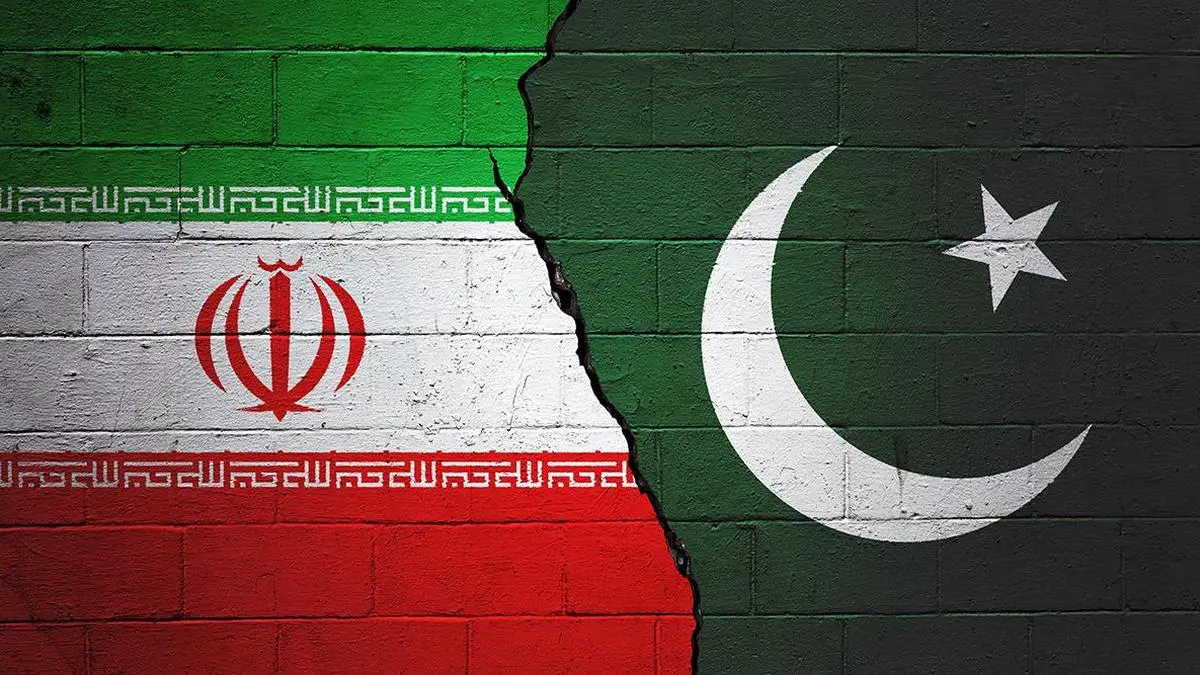
Pakistan Initiates Diplomatic Framework for Second Round of US-Iran Talks

Pakistan Initiates Diplomatic Framework for Second Round of US-Iran Talks
AASDECLXAU/USDDXY

Pakistan is coordinating a second round of talks between the US and Iran, aiming to establish a peace deal to resolve ongoing regional conflicts.

AlphaScala Research Snapshot
Live stock context for companies directly referenced in this story
Alpha Score
55
Moderate

Alpha Score of 55 reflects moderate overall profile with moderate momentum, moderate value, moderate quality. Based on 3 of 4 signals — score is capped at 90 until remaining data ingests.

Consumer Cyclical
Alpha Score
47
Weak

Alpha Score of 47 reflects weak overall profile with moderate momentum, poor value, moderate quality. Based on 3 of 4 signals — score is capped at 90 until remaining data ingests.

Industrials
Alpha Score
40
Weak

Alpha Score of 40 reflects weak overall profile with moderate momentum, poor value, poor quality, weak sentiment.

Consumer Staples
Alpha Score
43
Weak
$83.53-2.66% todayApr 21, 09:30 AM

Alpha Score of 43 reflects weak overall profile with weak momentum, weak value, weak quality, weak sentiment.

This panel uses AlphaScala-native stock data, separate from the source wire linked above.

Pakistan has begun preliminary preparations to host a second round of diplomatic negotiations between the United States and Iran, according to senior government officials. The primary objective of these sessions is to establish a framework for a peace deal aimed at cooling the long-standing tensions between the two nations.

The Diplomatic Strategy

The move follows earlier efforts to facilitate direct communication channels between Washington and Tehran. While specific dates for the next round remain unconfirmed, the Pakistani foreign office is currently coordinating with stakeholders to ensure the environment is conducive to de-escalation. By positioning itself as a neutral mediator, Islamabad intends to leverage its historical ties with both capitals to move beyond the current diplomatic stalemate.

Market Impact and Geopolitical Risk

For global traders, any thaw in US-Iran relations serves as a primary variable for energy price volatility. Markets historically price in a premium for geopolitical instability in the Middle East, particularly regarding the Strait of Hormuz. A reduction in regional friction would likely dampen the risk premium currently embedded in the crude oil profile, potentially narrowing the spread between Brent and WTI.

Energy markets are not the only assets tied to this development. The following table highlights the primary asset classes historically sensitive to shifts in Iran-related sanctions and regional conflict:

Asset ClassPrimary Risk Factor
Crude Oil (CL)Supply chain disruption in the Persian Gulf
Gold (XAU/USD)Safe-haven demand during escalations
US Dollar (DXY)Flight to quality during regional instability

Trader Perspective

Traders should monitor these talks for any concrete progress on sanction relief or nuclear non-proliferation commitments. If negotiations show actual output, expect a softening in energy contracts and a corresponding decline in defensive commodity positioning. Conversely, a failure to reach common ground often results in a quick reversal, as markets rotate back into gold profile as a hedge against unpredictable regional spikes.

Beyond energy, monitor the impact on regional currencies and equity indices. Middle Eastern markets often react violently to shifts in diplomatic tone, which can influence global sentiment if the rhetoric impacts major shipping lanes. The success of this mediation attempt remains the key catalyst for short-term sentiment in commodity-linked indices.

Watch for official statements from the State Department or Tehran regarding the timeline for these talks, as any delay will signal a hardening of positions that keeps the current geopolitical risk premium firmly in place.

How this story was producedLast reviewed Apr 17, 2026

AI-drafted from named sources and checked against AlphaScala publishing rules before release. Direct quotes must match source text, low-information tables are removed, and thinner or higher-risk stories can be held for manual review.

Editorial Policy·Report a correction·Risk Disclaimer

Asset Profiles