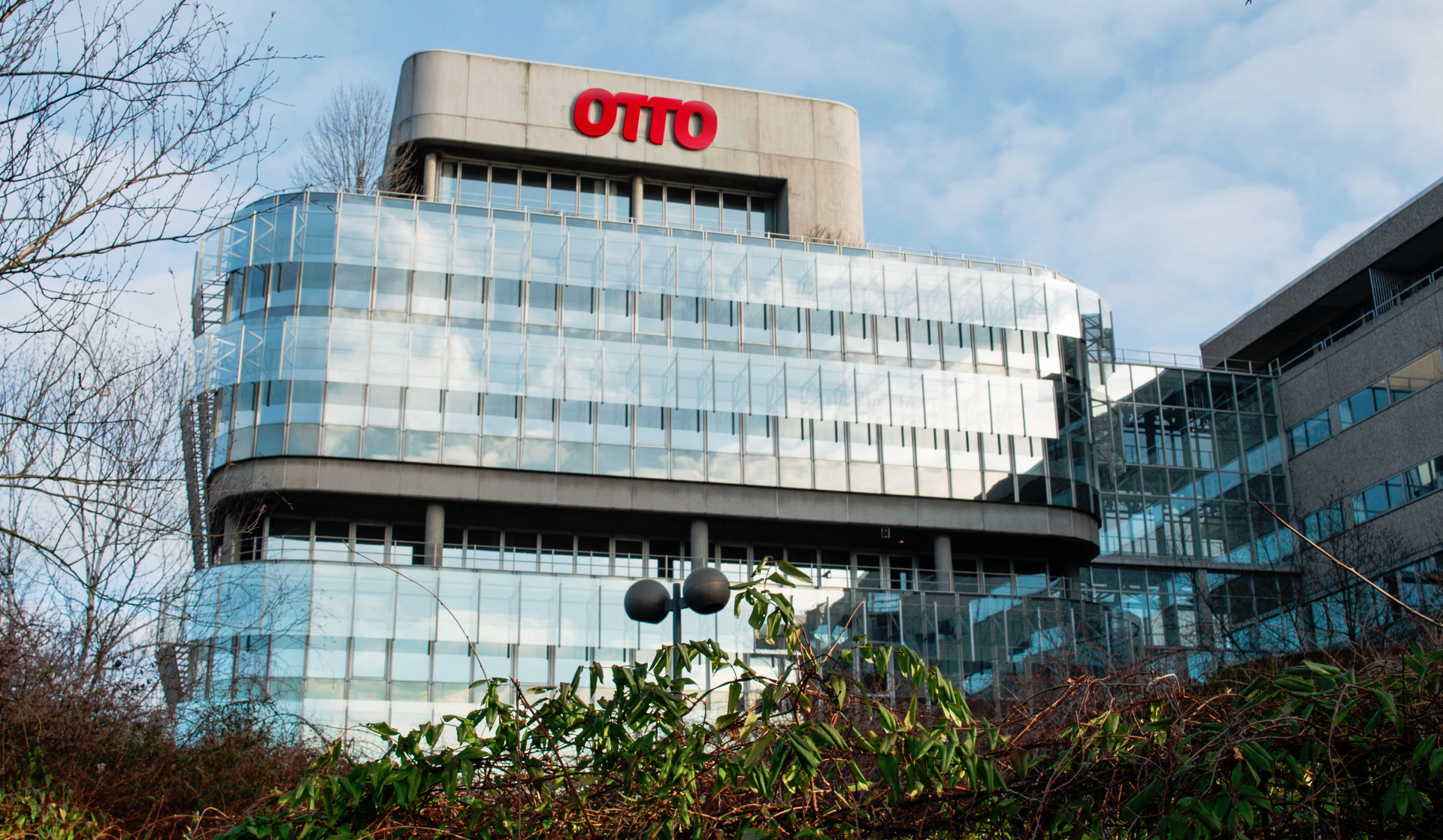
Otto is opening its marketplace to Polish sellers for the first time, starting a pilot program next month with selected partners. The move follows a similar expansion into the Netherlands two months ago and marks the second country in Otto's European marketplace rollout. Until recently, a German legal entity and a German VAT ID were required to sell on Otto.de. Dutch sellers now bypass that barrier under the OSS procedure, and Polish sellers will do the same if they participate in OSS. Once accepted, international partners must provide customer service in German.
Otto carefully selects its sales partners. The company states: “Not just anybody can join the platform. Each retailer will be checked and vetted. Our strict criteria ensure a high-quality product range.”
Why Otto Is Expanding Beyond Germany
Otto is the third-largest marketplace in Germany by GMV, trailing only Amazon and eBay. The company aims to expand its product assortment and become more attractive to German consumers. By adding Dutch and Polish sellers, Otto can fill categories it currently lacks – especially home goods, fashion, and niche electronics – without building those categories internally.
The monthly basic fee is 99.90 euros, fixed regardless of how many products a seller lists. That flat fee contrasts with percentage-based commission models used by Amazon and Allegro. The structure aligns with Otto's curation strategy: attract quality merchants who want access to German buyers without competing on low price in a commoditized environment.
Competitive Landscape for Polish Sellers
Allegro dominates the Polish ecommerce market. Amazon plans to invest 5 billion euros in Poland in the coming years to challenge Allegro's lead. Both Allegro and Amazon already offer Polish sellers cross-border selling options. Otto enters an established ecosystem with a different value proposition.
The table shows that Otto's offering is not a direct assault on Allegro or Amazon. Instead, it gives Polish merchants a third channel with different economics. The flat fee appeals to higher-margin sellers willing to undergo stricter vetting and meet German-language customer service requirements.
Logistics Requirements Filter Eligible Sellers
Accepted sellers must accept returns at a warehouse in Germany, the Netherlands, Poland, or one of the other countries listed in Otto's terms: Austria, France, Spain, Denmark, plus implied Italy and the Czech Republic via the returns clause. That requirement limits participation to sellers who already have or can establish a pan-European fulfillment setup. New entrants without European logistics infrastructure will struggle to qualify.
The Better Market Read: Assortment Strategy, Not Revenue Grab
The naive interpretation is that Otto is chasing cross-border transaction revenue. The better market read is that Otto is using international sellers to close a product-range gap versus Amazon and eBay in its home market. German consumers expect wide selection. By opening to Dutch and Polish sellers, Otto adds categories without diluting its curated image.
Key insight: Otto is not trying to become a super-app marketplace. It is using selective cross-border expansion to defend its German-market share against Amazon's scale advantage, one category at a time.
Next Steps: Austria, France, Spain, Denmark Follow in 2026
Otto's B2B portal Otto Market states: “Further countries such as Austria, France, Spain, and Denmark will follow later in the year.” The returns-warehouse requirement also lists Italy and the Czech Republic, suggesting those countries may join the seller pool in a future phase, likely 2027 or later.
Otto has been preparing this expansion for nearly two years. The Dutch pilot started two months ago. The Polish pilot is next month. Full production rollout to all named countries will take at least 18 to 24 months.
For traders watching the European ecommerce sector, the key confirmation points are:
- How many Polish sellers are onboarded in the first three months of the pilot
- Whether Otto adjusts the €99.90 fee as volumes scale
- Any explicit competitive response from Allegro or Amazon (e.g., fee cuts, faster logistics investment)
A weak onboarding number or a fee reduction would signal that Otto is struggling to attract quality sellers despite the lower fixed cost. A strong onboarding number combined with no fee change would suggest the curation model is working.
Editorial Callout
Practical rule: Otto is not chasing Polish revenue. The real effect will show up in German marketplace assortment data over the next 12 months. Traders who treat this as a lateral competitive move for the German market, rather than a headline about Polish ecommerce, have the cleaner thesis.
Otto's opening to Polish sellers is a calculated, narrow expansion. The mechanism is curation and fixed fees, not scale. The primary beneficiary is not Polish ecommerce as a whole but a subset of quality-focused merchants who can meet the logistics and language requirements. For investors following the sector, the metric to watch is German category depth at Otto.de, not cross-border transaction volumes.
This article contains internal links to related AlphaScala content: stock market analysis and best stock brokers.