Stocks● Neutral
Orlando Ramirez Arrest Cuts MS-13's Northern Logistics Link
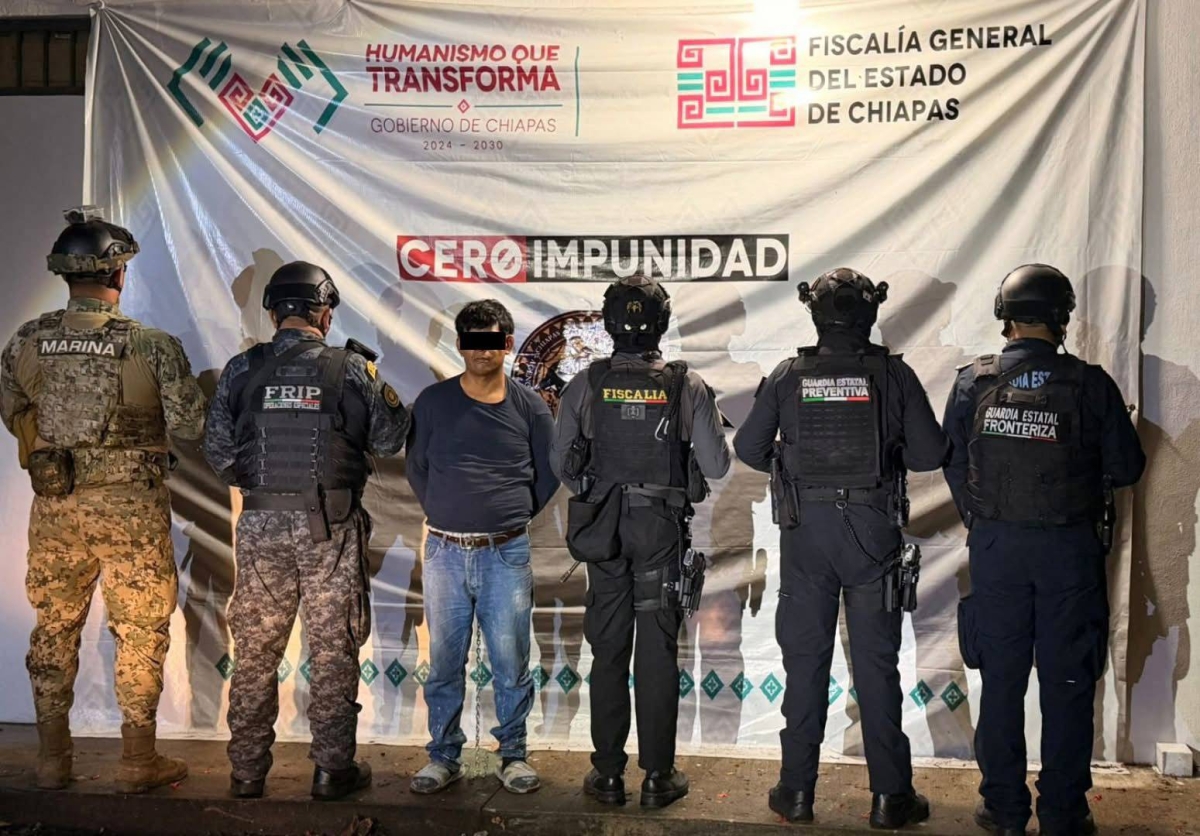
Mexican police arrested suspected MS-13 leader Orlando Ramirez in Tapachula, disrupting migrant smuggling and extortion networks. His capture adds a high-value defendant to El Salvador's mass trial of 490 gang members.
Continue with
Mexican authorities arrested suspected MS-13 leader Orlando Ramirez in Tapachula, Chiapas, on Saturday, removing a figure who managed the gang's movement of members, weapons, and extortion proceeds between Central America and Mexico. The capture severs a command link that connected El Salvador's imprisoned leadership to field units operating along the migrant corridor toward the US border.
The Tapachula Arrest and the Northern Corridor
Tapachula sits near the Guatemala border as the primary transit hub for Central American migrants and criminal networks moving north. Ramirez, alias "El Misterio", oversaw the gang's recruitment pipeline and its ability to move operatives toward the US. His arrest disrupts that coordination. The Salvadoran national was handed to Mexican immigration authorities for status determination, a step that typically precedes extradition or deportation to face his existing convictions in El Salvador.
Ramirez was already convicted of aggravated murder, rape of a minor or incapacitated person, membership of an illegal organisation, and unlawful restriction of freedom of movement, according to El Salvador's Transnational Anti-Gang Center. He is also accused of illegally carrying military weapons and attempted extortion. Those charges mean immediate incarceration upon return to El Salvador, with no opportunity to continue directing operations from a Mexican safe house.
47,000-Crime Trial: Adding a High-Value Defendant
Nearly 490 alleged MS-13 members are currently on trial in El Salvador, accused of 47,000 crimes committed between 2012 and 2022. That figure includes 29,000 homicides. The trial represents the largest single gang prosecution in Central American history and has already produced life sentences. Ramirez's capture adds a high-value defendant to that pool. For the gang, losing a leader who understood both the Salvadoran prison network and the Mexican transit corridor creates a knowledge gap that will take months to fill.
Trump's Terrorist Designation Expands Prosecution Options
President Donald Trump declared MS-13 and several Latin American cartels as terrorist groups after returning to office in 2025. That designation unlocks US financial intelligence tools, including Treasury Department sanctions on front companies and money couriers. It also allows US prosecutors to charge gang members with material support to terrorism, which carries higher sentences and broader conspiracy liability than standard racketeering charges.