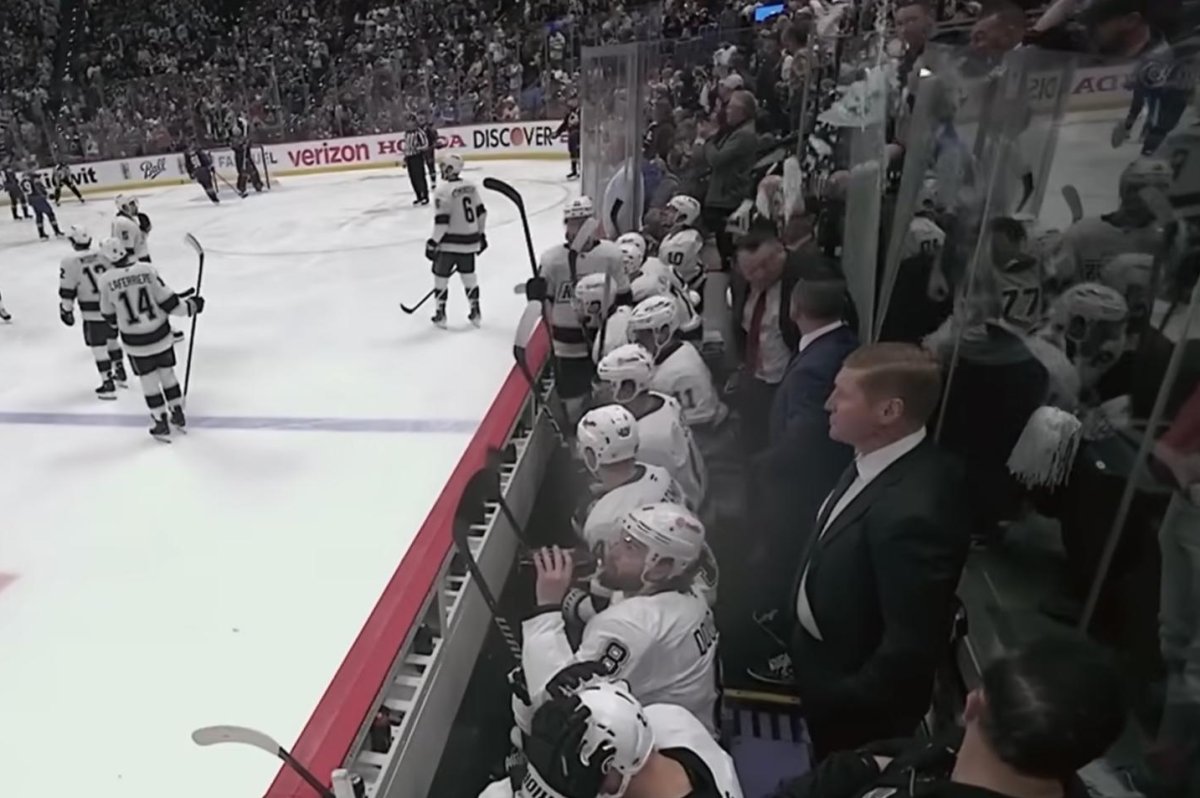
The recent incident at a Colorado Avalanche home game, where a fan accidentally shattered a glass pane directly onto the Los Angeles Kings' bench, has shifted the focus toward venue infrastructure and safety protocols during high-stakes playoff events. The event resulted in the temporary suspension of play and required immediate cleanup to ensure the safety of players and coaching staff, including interim coach D.J. Smith. While such occurrences are rare, the physical integrity of protective barriers remains a critical component of professional sports operations.
Infrastructure Integrity and Venue Liability
The structural failure of the arena glass highlights the physical stress placed on facility components during intense playoff environments. When glass panels fail, the immediate impact is a cessation of game flow and a potential liability concern for venue operators. This incident forces a re-evaluation of how arenas maintain and inspect high-impact zones, particularly in older or high-traffic facilities. For stakeholders in the sports and entertainment sector, the reliability of venue equipment is not merely a maintenance issue but a core operational requirement that impacts the continuity of broadcast events.
Sector Read-Through for Sports Facilities
Beyond the immediate safety concerns, the incident serves as a reminder of the operational risks inherent in large-scale public venues. Facility management firms and team owners must balance the fan experience with the necessity of robust physical barriers. Any systemic failure in these systems can lead to increased insurance premiums, regulatory scrutiny, and potential capital expenditure requirements for facility upgrades. The broader stock market analysis often overlooks these granular infrastructure risks until a public failure occurs, yet these costs are increasingly relevant as venues seek to modernize to accommodate higher fan engagement levels.
AlphaScala Data and Market Context
While this event is specific to venue operations, it underscores the broader importance of asset management within the industrials and healthcare sectors. For instance, companies like Jacobs Solutions Inc. with an Alpha Score of 40/100, or Agilent Technologies, Inc. with an Alpha Score of 55/100, operate in environments where physical safety and equipment precision are paramount. Maintaining high standards in facility and technical infrastructure is a prerequisite for long-term operational stability across these diverse sectors.
Moving forward, the primary marker for this narrative will be the response from league officials regarding facility inspection standards. Any new mandates for glass thickness, mounting hardware, or pre-game safety checks will serve as the next concrete indicator of how the industry intends to mitigate these risks. Investors should monitor subsequent venue maintenance filings and league-wide safety bulletins to determine if this incident triggers a wider capital allocation toward arena infrastructure upgrades. The intersection of fan access and player safety remains a delicate balance that directly impacts the commercial viability of professional sports franchises.