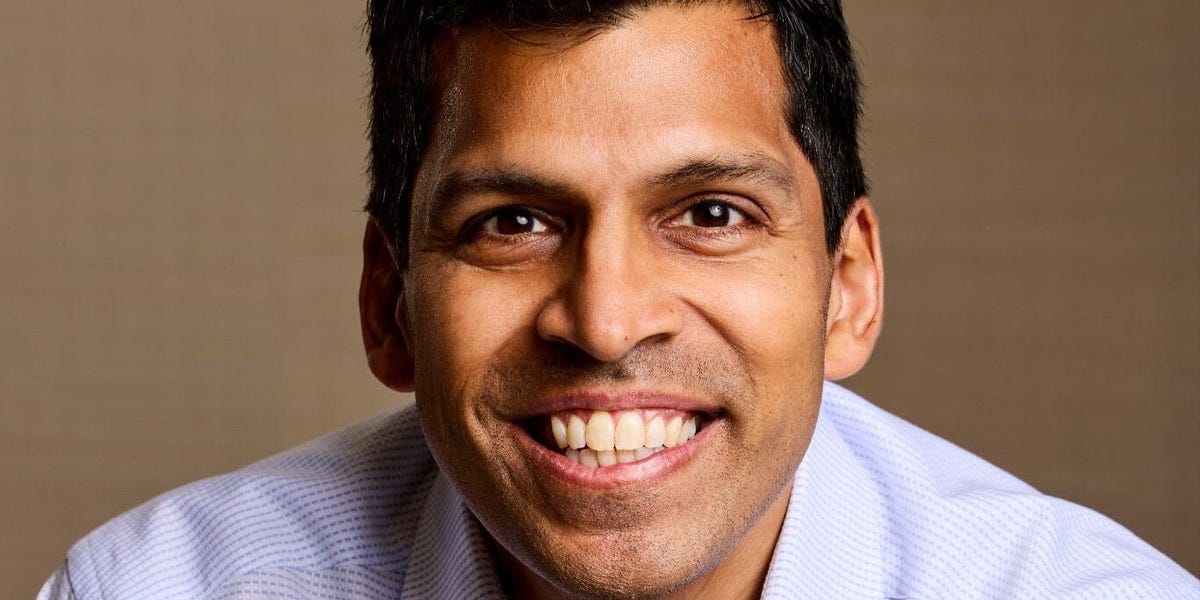
Ronnie Chatterji arrived at OpenAI in 2024 with a resume built for a different kind of job. He had spent years at the top of economic policymaking – coordinator of the $52 billion CHIPS program in the Biden White House, acting deputy director of the National Economic Council, chief economist at the Commerce Department. Before that, a long academic run at Duke University studying innovation and entrepreneurship.
OpenAI was not on his radar. He was planning to write a book about his government experience when a former colleague who had moved to the company reached out. The early conversations were about supply chains and semiconductors, subjects Chatterji knew well and that mattered to OpenAI as it considered the computing infrastructure needed to train and run its models. Those talks widened into a bigger question: how the company should think about the economics of AI.
“This is a whole emerging category, and that’s when the chief economist role got created,” said Chatterji, who reports to OpenAI’s finance chief, Sarah Friar.
He now leads a research team of about a dozen people – economists, data scientists, business professionals, former teachers, and government workers. He said he is looking to hire more, though he declined to specify how many.
The team’s mandate covers three sets of questions, Chatterji said: how AI is changing work today; how businesses are adopting and reorganizing around AI; and what increasingly capable AI could mean for the economy tomorrow. The challenge is that those questions shift almost as fast as the technology itself.
“We need people who can bring rigorous economic thinking to what’s happening today, who are also comfortable tackling questions where we don’t have all the answers yet,” Chatterji said. “You have to be comfortable with being uncomfortable.”
Recursive self-improvement – the ability for AI systems to improve themselves – offers a concrete example. Chatterji said the topic was not on his radar a year ago. It is now central to the team’s work.
“The job description is changing a lot,” he told Business Insider.
Speed matters. Chatterji described the pace of innovation at OpenAI as “a little insane.” He pointed to a study whose dataset ended in June. By August, some people already dismissed the findings as dated.
Team members need self-direction, he said, to determine which problems are worth solving and who the work is for. The work also requires heavy collaboration. The team fields questions from colleagues across OpenAI and works closely with outside groups such as governments and universities. In a recent blog post explaining the approach, the team wrote that no single entity has the tools or resources to answer these economic questions alone.
Chatterji’s own background illustrates the range. His academic research centered on innovation and entrepreneurship. At OpenAI, his work spans labor markets and enterprise adoption. The shift has an unexpected personal upside.
“If you’re an economist at a cocktail party or on the sidelines of your kid’s soccer game, usually you’re not very popular,” Chatterji said. Now, he said, people want to know: “What’s AI going to do in the job market?”