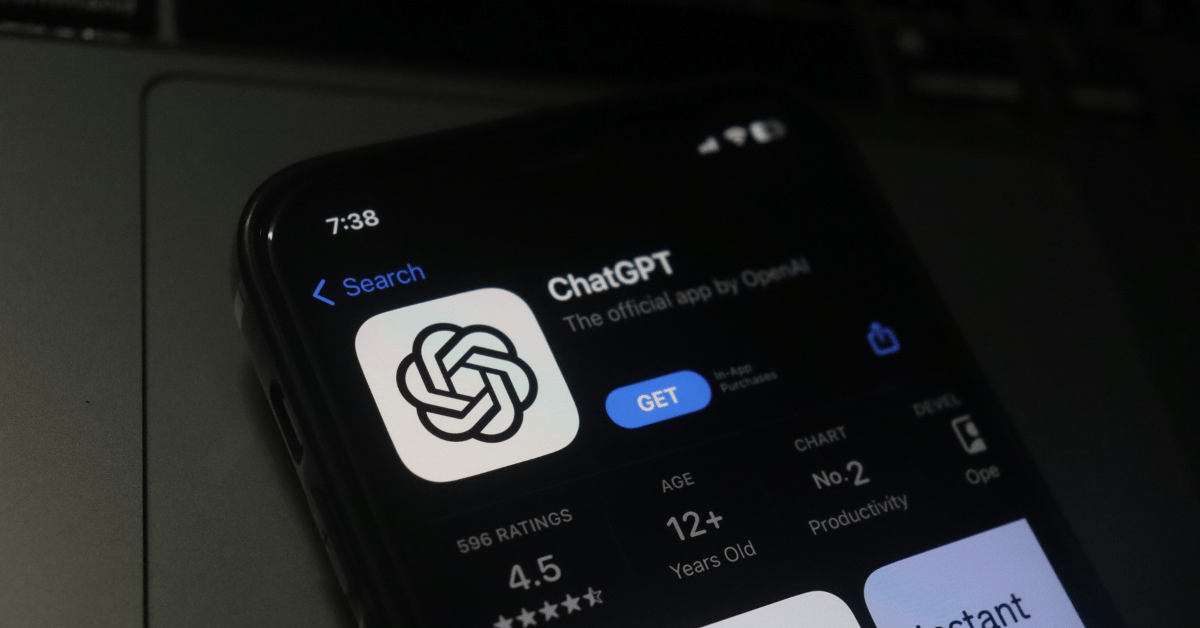
OpenAI confirmed a partial outage affecting its flagship ChatGPT interface and its coding platform, Codex, alongside its broader API services. The disruption began during evening hours, triggering a rapid influx of user reports and service monitoring alerts. This event serves as a stress test for the underlying infrastructure supporting the current wave of generative AI adoption across enterprise and consumer sectors.
Infrastructure Bottlenecks and Developer Impact
The outage highlights the fragility of centralized AI service models when faced with high-volume traffic spikes. Because many modern software development workflows now integrate Codex and OpenAI API endpoints directly into their deployment pipelines, a service interruption creates immediate friction for engineering teams. The reliance on these specific endpoints means that even a partial outage can stall automated coding tasks and interrupt real-time agentic workflows.
This incident forces a re-evaluation of redundancy strategies for companies building on top of large language models. When core services like ChatGPT or the API platform experience downtime, the lack of local failover options often leaves dependent applications non-functional. The current architecture requires users to either accept the downtime or maintain complex, multi-provider integrations that increase operational overhead.
Sector Read-Through for AI Hardware and Cloud Providers
While the outage is specific to OpenAI, the broader technology sector remains sensitive to any signal that AI demand is outstripping current compute capacity. Large-scale service disruptions often prompt questions about whether providers are effectively managing their GPU clusters or if the software layer is struggling to handle concurrent requests. Investors tracking companies like NVIDIA or Apple often look to these outages as proxies for the health and stability of the AI ecosystem.
AlphaScala data currently reflects a mixed sentiment across several sectors, with PM holding an Alpha Score of 47/100, ON at 45/100, and AS at 47/100. These scores underscore the broader market volatility that often accompanies high-growth technology sectors. As the industry matures, the ability to maintain 99.99% uptime will become a competitive differentiator as significant as the model performance itself.
Future stability will depend on how quickly OpenAI restores full functionality and whether it provides a post-mortem analysis regarding the root cause of the spike. The next concrete marker for this narrative will be the release of a status update confirming full system restoration and any subsequent changes to rate-limiting or load-balancing protocols. Until then, the market will monitor whether this event leads to a temporary dip in API usage or a permanent shift in how developers architect their dependencies on third-party AI platforms. Continued stock market analysis will focus on whether such incidents become a recurring theme as model complexity increases.