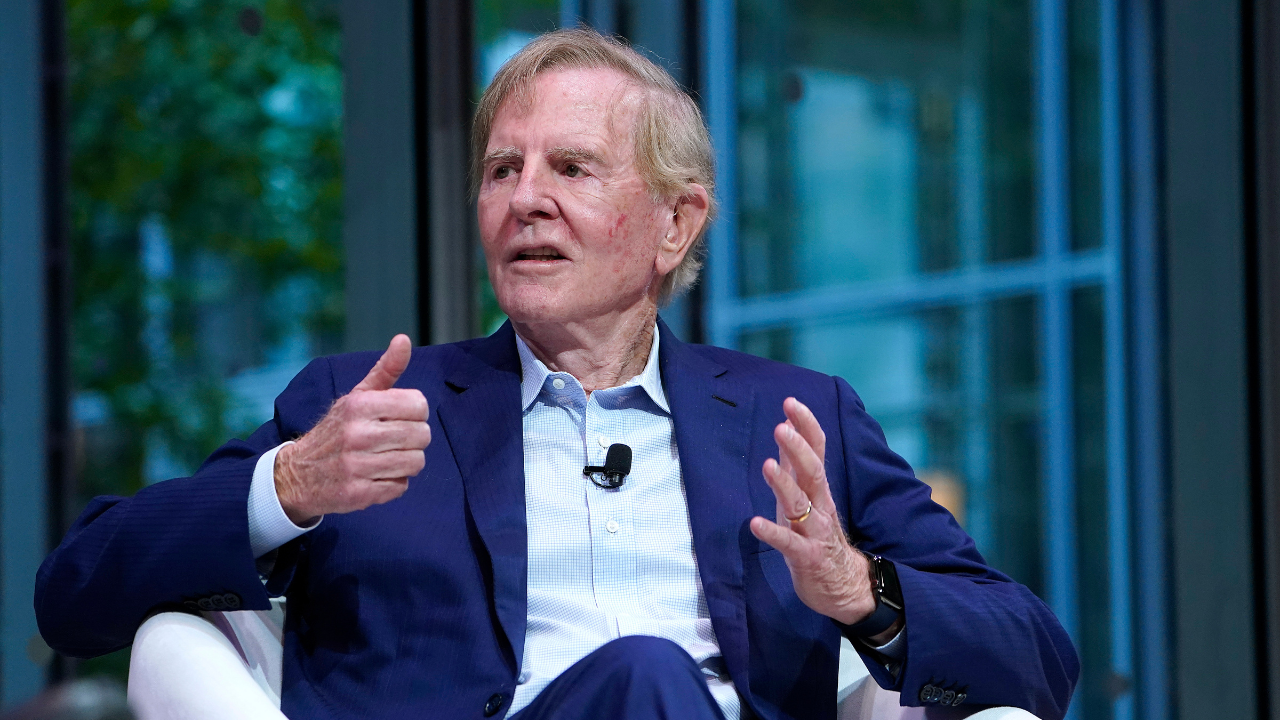
Former Apple CEO John Sculley has identified OpenAI as the most significant competitive threat to Apple in recent years. This assessment centers on the intensifying race to define the next generation of artificial intelligence hardware, specifically wearable devices. While Apple has historically maintained control over its ecosystem through tight integration between proprietary hardware and software, the rapid evolution of large language models suggests a pivot toward intelligence-first platforms that could diminish the necessity of traditional device-level dominance.
Shifting Competitive Dynamics in AI Wearables
The core of this challenge lies in the transition from smartphone-centric computing to AI-integrated wearables. Apple has long relied on its ability to dictate the user experience through its internal development cycles and hardware constraints. However, OpenAI is positioning its technology to operate across diverse interfaces, potentially decoupling the value of the software from the specific hardware manufacturer. If consumers prioritize the capabilities of an AI assistant over the underlying device ecosystem, Apple faces a structural risk to its long-standing model of hardware-driven loyalty.
This shift forces a reevaluation of how companies capture value within the technology sector. For Apple, the focus has historically been on maintaining a walled garden where hardware sales drive service revenue. If OpenAI successfully establishes its models as the primary interface for daily tasks, the importance of the device itself may become secondary. This creates a scenario where the competitive advantage shifts from manufacturing excellence and supply chain management to the speed and efficacy of model deployment.
Valuation and Strategic Positioning
Investors are currently weighing how these competitive pressures impact the long-term growth trajectory of legacy technology firms. Apple remains a central component of many portfolios, though its current Alpha Score of 60/100 reflects a moderate outlook as the market digests these evolving threats. You can track the latest performance metrics and technical indicators on the AAPL stock page to understand how the market is pricing these risks in real time.
The broader technology sector is experiencing a period of volatility as firms scramble to integrate generative AI into their existing product suites. While Apple continues to refine its own AI initiatives, the emergence of a pure-play AI competitor like OpenAI introduces a variable that traditional hardware-focused strategies may struggle to counter. The ability to maintain a premium brand position while competing against software-first entities will be the primary test for the company in the coming quarters.
The Path to Market Differentiation
Moving forward, the primary marker for this competition will be the release of next-generation wearable hardware. The market will look for evidence of whether Apple can leverage its massive user base to integrate its AI features more effectively than third-party developers can on alternative platforms. The success of these upcoming product cycles will determine if the company can retain its dominant position or if it must adapt to a more fragmented landscape where software intelligence dictates hardware utility. Further developments in this space will likely hinge on the speed of model updates and the ability to secure user data privacy in an increasingly connected environment.