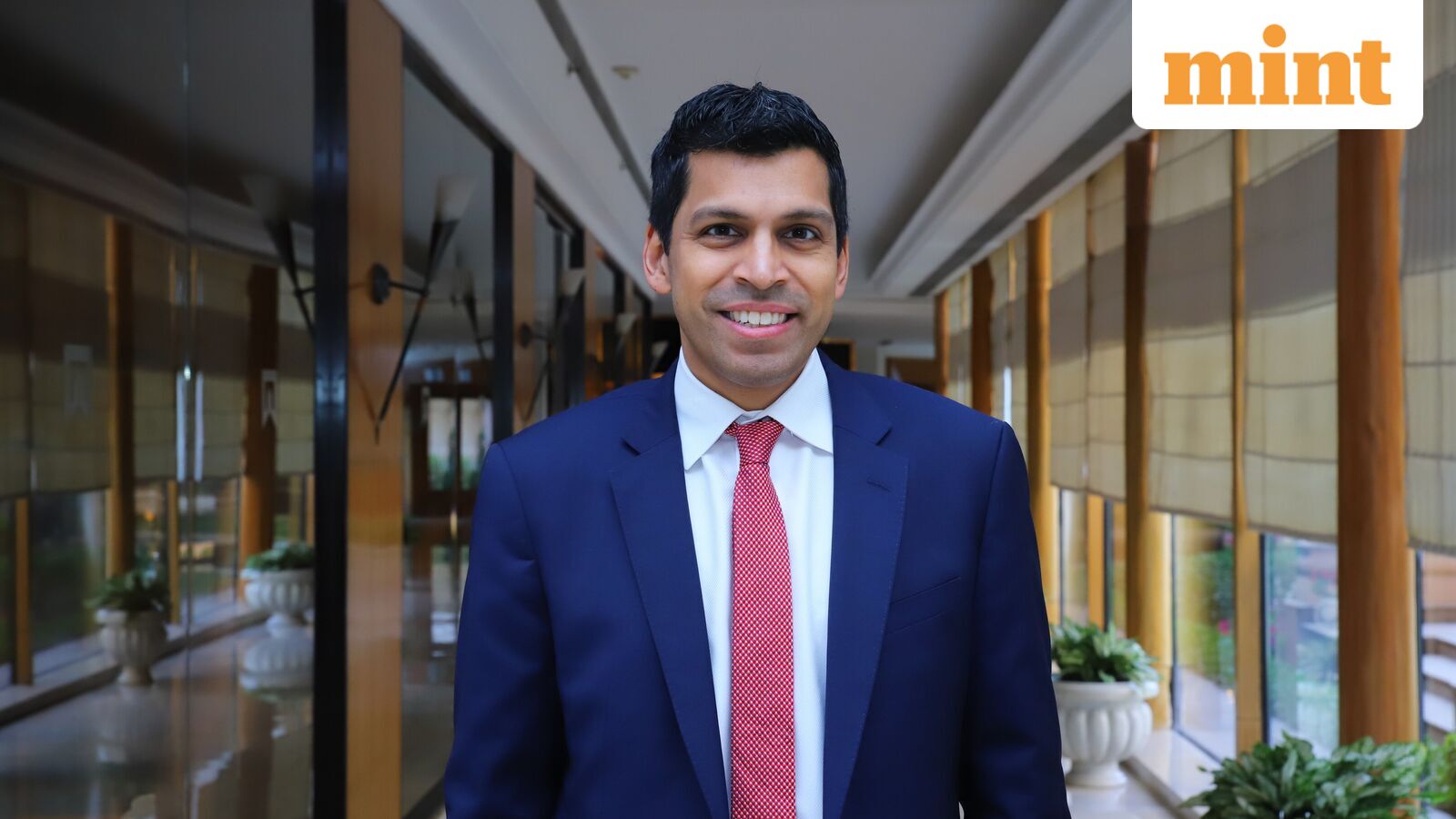
OpenAI's economic research team is hunting for researchers who can blend analytical rigor with intellectual flexibility, chief economist Ronnie Chatterji said in an interview published Saturday.
Chatterji, who joined the Sam Altman-led company in 2024 after stints in academia and the Biden administration, leads a team of roughly a dozen economists, data scientists, and former government workers. He is looking to hire more.
The team's work focuses on how AI is reshaping jobs, how businesses are adopting the technology, and the broader economic implications of increasingly capable systems, he told Business Insider. The fast pace of development means the research agenda can shift quickly. Topics that were not on the radar a quarter ago can become urgent overnight.
"The job description is changing a lot," Chatterji said.
One area the team is now watching is recursive self-improvement – AI systems that become capable of improving their own architecture. That line of inquiry barely existed in the mainstream economic literature a year ago.
Chatterji said candidates must be comfortable with questions that lack clear answers. "You have to be comfortable with being uncomfortable," he said. The team needs people who can identify the right problems on their own, not just execute a predetermined research plan.
Collaboration is another requirement. The team works with OpenAI engineers, but also with governments and universities. The complexity of AI's economic effects demands cooperation across organisations, Chatterji said.
His background gives him a dual perspective. He served as a coordinator for the Biden administration's $52 billion CHIPS programme and as acting deputy director of the National Economic Council. He was also chief economist at the Commerce Department. He remains a professor at Duke University.
Chatterji's hiring push comes at a time when AI companies are competing fiercely for talent with economics and policy backgrounds. OpenAI's ability to attract researchers who can bridge technical AI and economic theory could shape how the company influences regulation and public perception.
The team's research broadly covers three areas: the current impact of AI on employment, how businesses are restructuring around AI, and the potential economic effects of advanced AI systems. Chatterji said the team must consider which questions are worth investigating and who could benefit from the answers.
For OpenAI, the stakes are high. The company faces increasing scrutiny from regulators and policymakers worldwide. A strong in-house economics team can help shape the narrative around AI's economic impact – and potentially preempt restrictive rules.
Chatterji said the team's work is evolving alongside AI. Topics that were not previously part of their research agenda can become important quickly. He cited recursive self-improvement as one example.
The team includes economists, data scientists, business professionals, former teachers, and former government workers. Chatterji said he wants to add more people with diverse backgrounds.
OpenAI's recruiting challenge is not unique. Rivals such as Anthropic, Google DeepMind, and Microsoft are also building economic research teams. The competition for talent with both technical and policy expertise is intensifying.
Chatterji's comments suggest the company values intellectual curiosity over a rigid skill set. The ability to adapt as the technology changes may matter more than any specific academic credential.
He previously worked in academia and policymaking, including coordinating the CHIPS programme and serving as chief economist at the Commerce Department. He also served as acting deputy director of the National Economic Council.
Chatterji joined OpenAI in 2024. He said the team is focused on producing research that can inform both internal strategy and external policy debates.
The team's agenda is not static. As AI capabilities advance, the economic questions that matter most will shift. Chatterji's task is to make sure the team can keep up.