Stocks● Neutral
OpenAI chair says token worries will vanish in a year
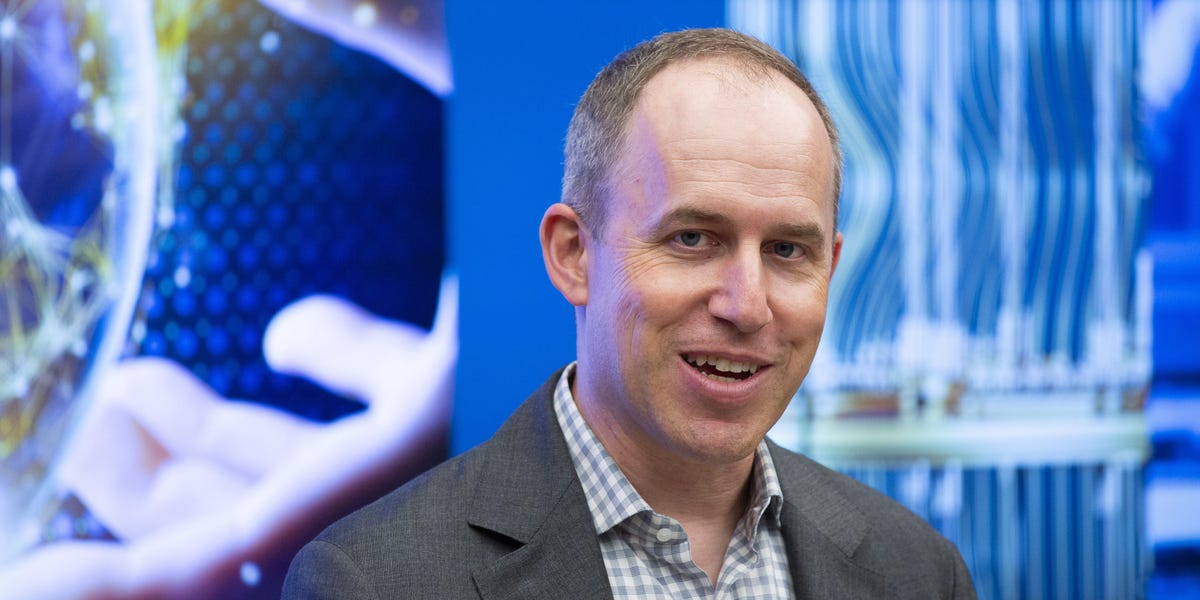
OpenAI chairman Bret Taylor told CNBC corporate leaders will stop worrying about AI token costs within a year as providers absorb complexity and shift to outcome-based pricing.
Continue with
OpenAI chairman Bret Taylor predicts corporate leaders will stop worrying about AI token costs within 12 months. Speaking on CNBC Monday, Taylor said the market's current token-focused anxieties stem from immaturity and will fade as providers begin managing those costs for customers.
"I believe where the world is going is paying for outcomes," Taylor said. He compared the current AI market to early internet days, when building a website cost substantially more. The fix, he argued, is not for companies to negotiate better token rates but for AI vendors to absorb the complexity.
Tokens are the units of text AI models process and charge by. Earlier this year, rising token costs forced some companies to pull back on AI spending and question their return on investment. Taylor pointed to Ramp's new token spend tool and legal AI startup Harvey as examples of companies already handling token management for their clients.