Crypto▼ Bearish
OKX CEO Challenges CZ’s Narrative in Resurfaced Crypto Feud
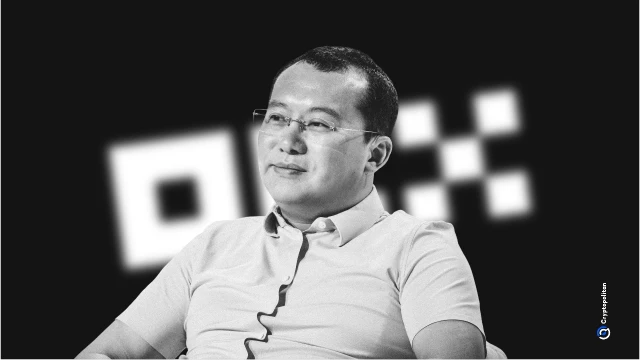
Star Xu attempts to reclaim OKX's corporate legacy by refuting long-standing claims from Binance's founder. Expect heightened scrutiny of exchange origins.
Continue with
A Rivalry Rekindled in the Crypto Spotlight
The digital asset landscape is witnessing a blast from the past as a long-standing rivalry between two of the industry’s most prominent figures has been thrust back into the public eye. Star Xu, the CEO of OKX, has formally challenged the narrative presented by Changpeng “CZ” Zhao, the former CEO and founder of Binance. This public rebuttal serves as a stark reminder that the history of the crypto exchange sector is deeply intertwined with unresolved disputes dating back to the formative “OKCoin era.”
For traders and market participants, this isn't merely a clash of personalities. It represents a rare glimpse into the early, unregulated tensions that defined the maturation of the current exchange giants. By addressing the historical grievances from the OKCoin days, Xu is effectively attempting to reframe the foundational narrative of his firm’s legacy in a competitive market that increasingly values transparency and institutional legitimacy.
The Roots of the Dispute
To understand why this friction matters today, one must look back to the early days of the Chinese crypto exchange ecosystem. Before Binance became the global behemoth it is today, and before OKX evolved into its current multi-product iteration, both entities shared a common origin in the competitive, high-stakes environment of OKCoin.
During that period, executive departures and business divisions were common, yet they often resulted in prolonged, bitter disagreements over intellectual property, corporate governance, and operational history. For years, the narrative surrounding these events has been dominated by Zhao’s perspective, which frequently paints his departure and the subsequent rise of Binance against the backdrop of an industry that was still finding its footing. By finally pushing back, Xu is signaling a shift in OKX’s communication strategy: a move toward reclaiming their corporate narrative and correcting what they perceive as inaccuracies that have persisted in the public discourse for nearly a decade.