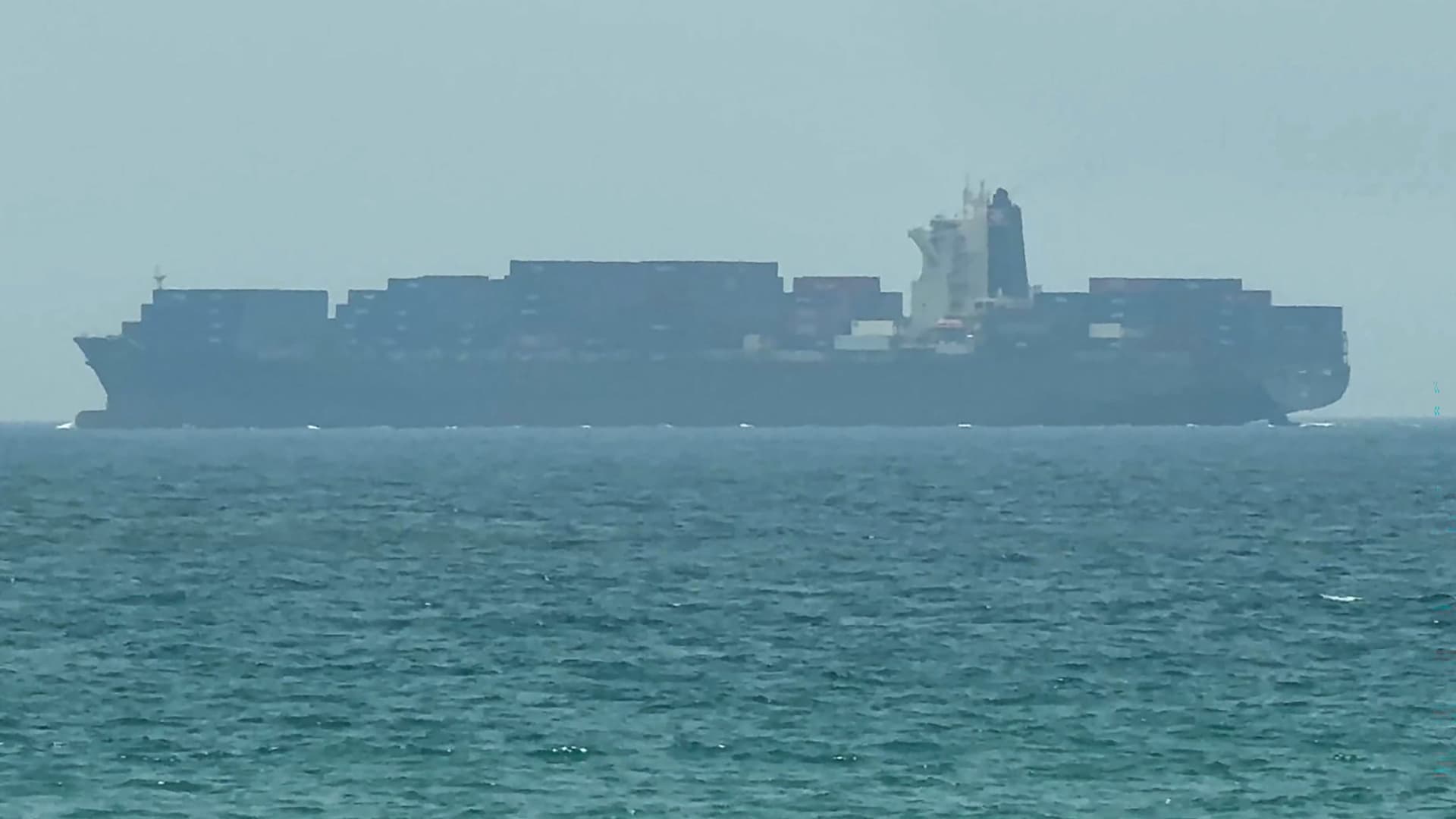
The U.S. has struck Iranian military targets for a third straight night, and Tehran hit back at Gulf shipping Tuesday, killing one crew member and wounding eight others on two Emirati oil tankers in the Strait of Hormuz.
U.S. Central Command said the latest five-hour mission degraded Iran's ability to attack commercial shipping. American forces hit coastal defense systems, missile and drone sites, and maritime capabilities. The strikes came after President Trump ordered a new blockade on the strait starting Tuesday at 4 p.m. ET and floated a 20% transit toll on ships using the waterway.
Iran retaliated with missile attacks on the United Arab Emirates and Bahrain. The UAE Defense Ministry said two Iranian cruise missiles hit the national tankers Mombasa and AI Bahiyah in the strait's southern lane inside Omani territorial waters. One Indian crew member on the Mombasa died, eight were injured, and fires damaged both vessels. The ministry said it would stay on "the highest level of readiness" and take "all necessary measures" to defend the country.
Bahrain, which hosts the U.S. Navy's Fifth Fleet, sounded missile-alert sirens early Tuesday under renewed Iranian attack, the Associated Press reported.
Traffic through the strait is dropping fast. Confirmed crossings fell about 52% week over week from July 10-12, according to Kpler, as vessels switched to "more defensive routing patterns" – using Iranian and unmonitored routes while avoiding Omani and International Maritime Organization-approved corridors. War risk premiums are expected to rise sharply, Lloyd's List Intelligence said, as owners and charterers pause transit decisions.
The escalation unraveled the interim U.S.-Iran agreement signed last month, which was meant to reopen the strait and pause hostilities for 60 days of talks.
Brent crude rose 2% to $85 a barrel Tuesday. U.S. West Texas Intermediate gained 2.3% to $80. The strait carried a fifth of the world's oil and gas before the conflict.
U.S. and Gulf officials have not announced any new diplomatic talks.
For more on the oil market's exposure to Middle East supply risks, see stock market analysis.