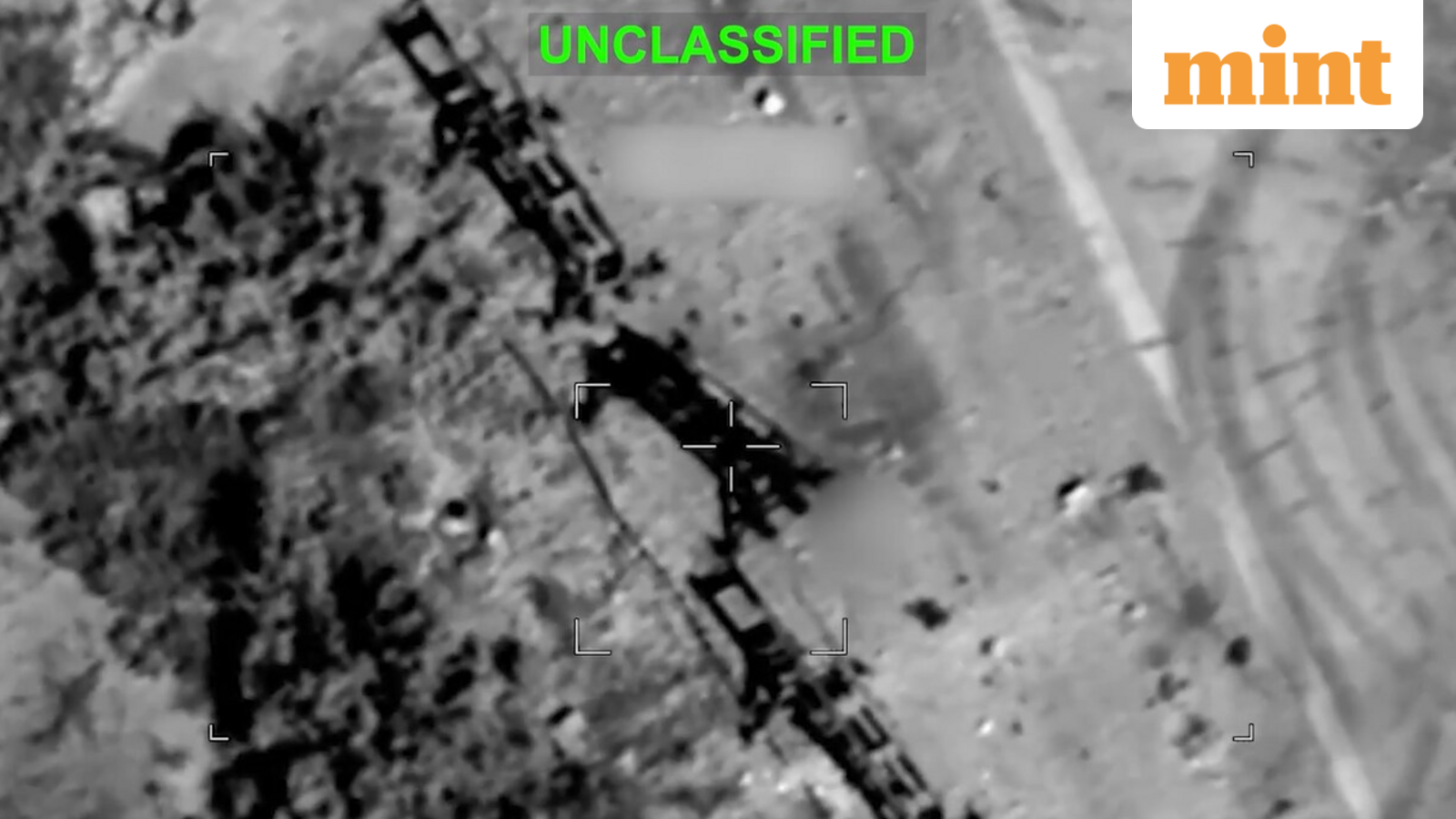
The US completed a second round of strikes on Iranian military targets Wednesday, hitting about 90 sites along the coast. CENTCOM said the operation was aimed at degrading Tehran's ability to attack commercial shipping in the Strait of Hormuz. That narrow waterway handles roughly 20% of the world's crude oil, making the escalation a direct risk to supply.
US forces struck air defense systems, coastal surveillance assets, missile and drone storage sites, naval capabilities, and military logistics infrastructure, according to a CENTCOM statement. The military released video of the strikes. This followed a round of strikes a day earlier that targeted about 80 Iranian small boats after three commercial vessels were attacked in the Strait.
Iran retaliated by launching missiles and drones at US targets in Bahrain and Kuwait. Iranian Parliament Speaker Mohammad Bagher Ghalibaf warned that any further American military action would invite severe retaliation.
"The Strait of Hormuz will only open with Iranian arrangements, not American threats," Ghalibaf said in a public address. Shipbrokers said a sustained blockade of the strait would lift oil prices sharply and pressure the global tanker fleet.
The Hormuz Risk and the July 7 Sanctions Deadline
The US also revoked a waiver allowing Iran to conduct oil sales in US dollars. The sanctions on Iranian oil exports take effect July 7, though previously contracted shipments are allowed to proceed. That date creates a clear timeline for traders: new supply from Iran – roughly 1.5 million barrels per day – could be choked off.
Oil futures ticked higher on the news. Defense stocks also moved, with Lockheed Martin and RTX Corp among the biggest gainers. Tanker operators like Frontline and Euronav saw gains as the risk of longer voyages through alternative routes increased.
For crude oil, the bullish case rests on supply disruption. The bearish case would require a de-escalation – a ceasefire or a return to diplomatic talks. The July 7 sanctions deadline adds a binary event: if the US leaves the waiver in place, some Iran oil still flows. If it enforces the ban, the market loses a chunk of supply.
Iranian state media reported explosions in Bushehr, home to Iran's nuclear power plant, as well as the southern ports of Chabahar, Konarak, Bandar Abbas and Sirik. At least three people were killed in Khuzestan province, with a firefighter killed at an airport in Iranshahr. Nine people were killed in Wednesday's strikes, according to earlier reports.
For the first time since April, US strikes targeted Iranian bridges. State media reported a railway bridge hit in Golestan province, while the Revolutionary Guard said two bridges on the route to Mashhad were attacked. The Guard is preparing to bury the late Ayatollah Ali Khamenei on Thursday.
Ghalibaf accused the US of clinging to a confrontational foreign policy. "Bullying and breaking promises are no longer cost-free," he said. "If you strike, you'll get hit."
The sanctions waiver expires July 7.