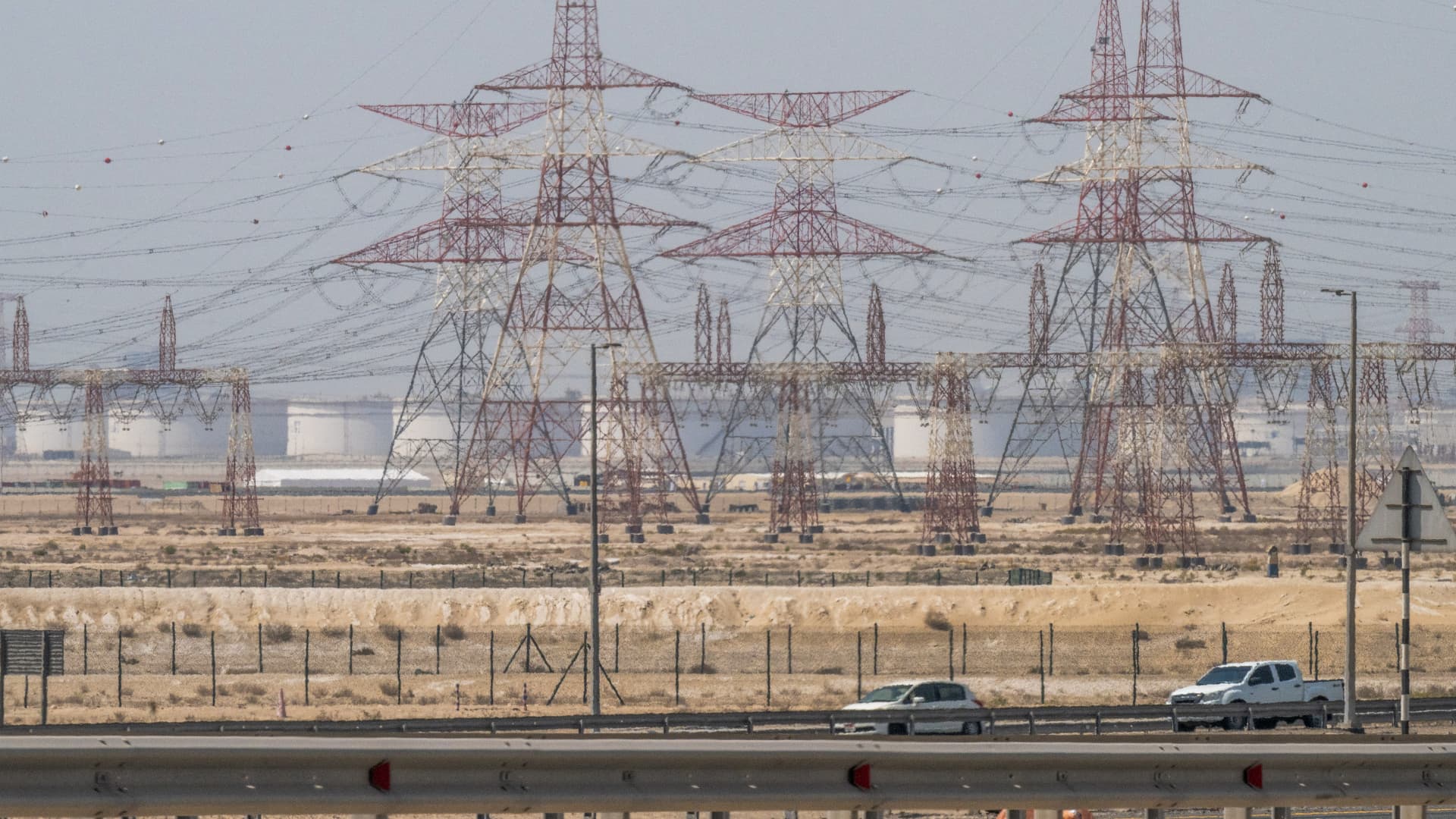
Brent climbs above $92 after US strikes Iranian targets near Strait of Hormuz. Rystad warns 11.8M bpd offline – worst supply disruption in modern history.
Oil prices pushed higher on Wednesday after the U.S. military said it completed strikes against Iranian targets near the Strait of Hormuz, the narrow waterway that carries about a fifth of global oil supply.
West Texas Intermediate crude for July delivery rose 0.74% to $88.89 a barrel. Brent crude for August added 0.82% to $92.20. Both benchmarks pared earlier gains above 1% after Centcom described the operation as “defensive and measured.”
The strikes came a day after an American Apache helicopter was shot down during patrols near the strait. President Donald Trump said on Truth Social the two pilots were safe and uninjured. “Nevertheless, the United States must, of necessity, respond to this attack,” Trump wrote.
Rystad Energy said the shutdown of 11.8 million barrels a day of production across six Gulf producers has created the worst oil supply disruption in modern history. The consultancy estimates cumulative production losses have reached 1 billion barrels. Each additional month of conflict could erase another 350 million barrels of output, Rystad warned.
That number covers output from Saudi Arabia, Iraq, Kuwait, the UAE, Iran, and Qatar. Most of that volume moves through the Strait of Hormuz, a 21-mile chokepoint that handles about 30% of the world’s seaborne crude.
The direct threat is not an Iranian blockade by force. Mines or ship attacks could disrupt tanker traffic. The bigger risk is insurance and freight markets. Tanker operators and their insurers are already pricing in a higher war-risk premium. That raises delivered crude costs and widens the spread between physical barrels and benchmark futures.
That spread jumped in early trading. Traders who watch the Brent-WTI spread saw it widen by nearly a dollar. The forward curve also started to steepen, signaling the market expects the disruption to last.
Rystad’s 11.8 million barrel daily loss dwarfs the 2019 Abqaiq-Khurais attacks, which knocked out about 5.7 million barrels a day for a few weeks. That event pushed Brent above $75 before Saudi Aramco restored output within days. This time the losses are cumulative and spread across multiple producers, making a quick restart harder.
The consultancy’s warning of 350 million barrels per additional month implies the market would need to draw inventories at an unprecedented pace. The International Energy Agency last reported commercial stockpiles in OECD countries at about 2.8 billion barrels. Every month of conflict at that rate consumes over 12% of those stocks.
The first concrete marker is the weekly U.S. inventory report due Thursday. A large draw in crude stocks would confirm that physical supply tightness is already reaching the market. The second marker is any sign of expanded Iranian retaliation, which would increase the risk of a broader tanker insurance exclusion zone.
For now the oil complex is pricing in a near-double-digit percentage risk premium. That premium will stay until either the U.S. and Iran signal de-escalation or a confirmed barrel loss shows up in export data. Traders should watch the Brent-WTI spread and the forward curve for signs of backwardation deepening. That would signal the market expects the disruption to last.
For a broader view of how geopolitical events feed into commodity positioning, see our commodities analysis and the crude oil profile for key supply chokepoints and historical production disruptions.
Prepared with AlphaScala research tooling and grounded in primary market data: live prices, fundamentals, SEC filings, hedge-fund holdings, and insider activity. Each story is checked against AlphaScala publishing rules before release. Educational coverage, not personalized advice.