Oil prices rose last week, with Brent crude settling at $94.39 a barrel on Friday, August 23, up 0.65% on the day. West Texas Intermediate closed at $87.06, extending a six-session winning streak. The gains followed another week of focus on the Strait of Hormuz, a chokepoint for roughly a fifth of global oil supply. Brent rose 6.39% for the week, while WTI gained 5.66%. The move rippled through stock markets, with energy shares gaining.
Iranian President Masoud Pezeshkian said Saturday the Islamic republic seeks a solution through dialogue and logic, Iran's IRNA news agency reported. The statement did not change the situation on the ground. Iran's Supreme National Security Council Secretary Mohsen Rezaei warned neighboring countries against cooperating with the US. He said the strait will not reopen until Washington changes its behavior. US Energy Secretary Chris Wright countered that the US Navy has kept oil flowing. Wright posted on X that the seven-day average of tanker traffic through the strait is over 8 million barrels a day. "Make no mistake, thanks to the U.S. Navy, oil is flowing through the Strait of Hormuz," Wright wrote. Combined with pipelines, total regional outflow is near 20 million barrels a day.
How OMCs Are Absorbing the Oil Rally
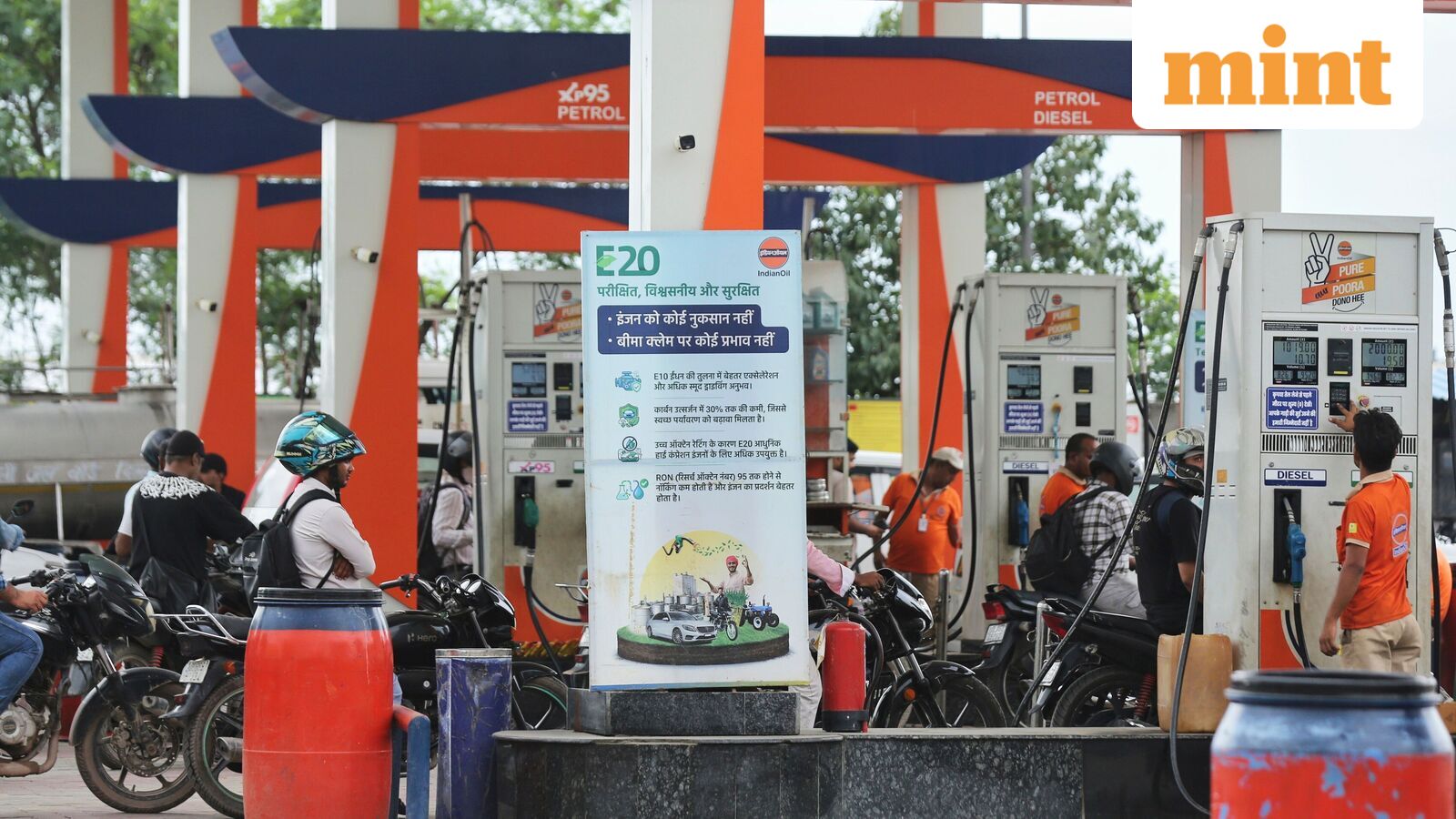
For Indian consumers, the crude rally has not reached the pump. State-owned oil marketing companies last revised petrol and diesel prices on May 25. Since then, Brent crude has climbed from around $80 a barrel to above $94. The companies are absorbing the difference, a three-month price freeze that is unusual in its duration. According to industry data, the gap between crude costs and retail prices has widened, putting pressure on OMC margins.
India's energy security strategy includes deepening ties with other nations. On August 20-21, Petroleum Minister Hardeep Singh Puri signed a five-year agreement with Mauritius. Under the pact, Indian Oil Corporation will supply the island nation's entire import requirement of petrol and diesel, plus aviation turbine fuel. The two governments also agreed to expand cooperation in oil and gas, including petroleum product supplies and training, according to PTI. The deal comes at a time when global supply chains are under strain from West Asia tensions.
The question is how long OMCs can hold prices steady. The May 25 revision was the last change. If crude stays above $90, the companies may need to raise prices or the government could cut excise duties. A price revision would affect inflation and consumer sentiment. The next review of retail fuel prices is scheduled at 6 a.m. daily, as per the dynamic pricing mechanism. No change is expected in the near term unless crude moves decisively.
The Strait of Hormuz situation remains the key external risk. Iran's diplomatic signal has not shifted US policy. The US Navy's presence has kept the route open. The standoff is unresolved. For oil markets, the risk is that any escalation could push Brent above $100. For India, that would test the limits of the fuel price freeze.