Crude oil prices are retreating from the sharp gains recorded earlier this week as the market recalibrates expectations surrounding geopolitical tensions in the Middle East. West Texas Intermediate and Brent crude had surged 7% and 5% respectively on Monday, driven by immediate supply security concerns. The current price action reflects a transition from panic buying to a more cautious assessment of the diplomatic landscape as a critical ceasefire deadline approaches.
Geopolitical Risk and Supply Stability
The volatility in the energy complex is tied directly to conflicting signals regarding potential peace talks involving Iran. While the prospect of a ceasefire provides a theoretical floor for supply stability, the lack of definitive progress has left traders hesitant to maintain long positions built on Monday's rally. The market is currently pricing in a risk premium that fluctuates based on the perceived likelihood of a diplomatic breakthrough versus a sustained escalation that could threaten regional production or transit routes.
Supply chains remain sensitive to any disruption in the Middle East, particularly given the reliance on key maritime chokepoints. When geopolitical friction increases, the immediate reaction is often a spike in premiums for prompt-delivery contracts. As the deadline for the ceasefire approaches, the market is shifting its focus toward whether these diplomatic efforts will yield a tangible reduction in regional volatility or if the current uncertainty will persist into the next production cycle.
Inventory Dynamics and Demand Signals
Beyond the immediate geopolitical headlines, the broader energy market is monitoring inventory levels as a primary indicator of underlying demand health. High-frequency data on storage levels at major hubs often dictates the speed at which price corrections occur once the initial shock of a geopolitical event fades. If inventories remain robust, the capacity for prices to sustain elevated levels becomes limited, regardless of the intensity of the rhetoric surrounding peace talks.
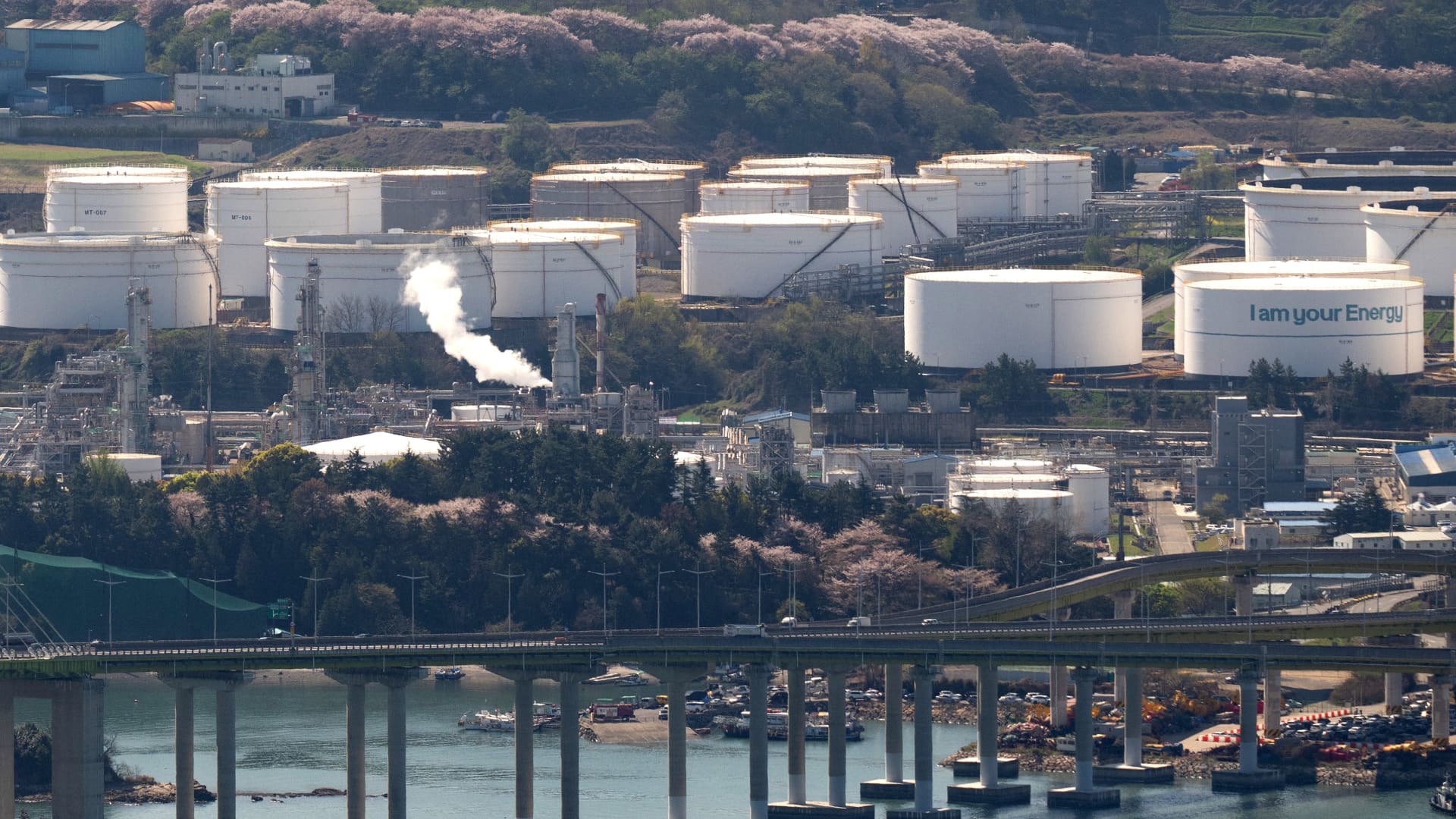
Seasonal demand patterns are also beginning to exert influence on the forward curve. As industrial activity in major manufacturing hubs like South Korea remains a barometer for global consumption, any slowdown in throughput at petrochemical complexes would provide a bearish signal for crude demand. Traders are observing these industrial metrics to determine if the recent price volatility is purely event-driven or if it is masking a fundamental shift in consumption trends.
AlphaScala data currently reflects a mixed outlook for broader industrial and consumer sectors, with ON Semiconductor Corporation holding an Alpha Score of 45/100 and Amer Sports, Inc. at 47/100. These scores suggest that while specific sectors face unique headwinds, the broader market environment remains in a state of transition. For further analysis on how these trends intersect with broader commodities analysis, investors should monitor the upcoming inventory reports from the Energy Information Administration. These reports will serve as the next concrete marker for whether physical supply levels can support current price floors or if a further retracement is necessary to align with global demand realities.