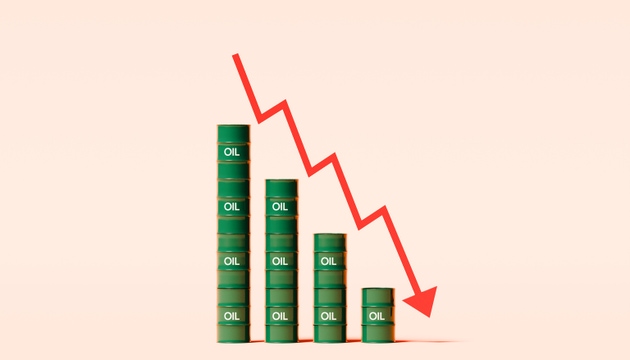
The $100 Psychological Threshold Crumbles
Global energy markets witnessed a significant correction this week as crude oil prices decisively retreated below the $100-per-barrel mark. This shift in momentum comes on the heels of a breakthrough in diplomatic negotiations between the United States and Iran, centered on the reopening of the Strait of Hormuz. The development has effectively punctured the geopolitical risk premium that had kept energy prices elevated for weeks, signaling a potential shift in the global supply-demand equilibrium.
For months, the Strait of Hormuz—the world’s most critical maritime chokepoint—served as a catalyst for volatility. With approximately 20% of the world’s total oil consumption flowing through this narrow passage, any disruption has historically invited aggressive speculative buying. The news of a pending ceasefire and the subsequent easing of maritime tensions has triggered a rapid unwinding of long positions, as traders pivot away from peak-fear pricing.
Geopolitical De-escalation and Market Reaction
The collapse of the $100 floor is more than just a technical break; it represents a fundamental reassessment of supply side threats. The U.S.-Iran ceasefire agreement, which hinges on the stabilization and reopening of the Strait, has injected a dose of reality into a market that had become increasingly disconnected from underlying production levels.
Market participants who had been pricing in a prolonged supply crunch are now forced to re-evaluate their exposure. As the threat of a full-scale blockade recedes, the “fear premium” is being systematically stripped out of oil futures. This price action reflects a broader market sentiment that physical supply chains are normalizing, which historically leads to lower volatility and a more stable price floor, albeit one significantly lower than the levels seen during recent peaks.
Implications for Commodity Traders
The retreat below $100 is a critical juncture for institutional investors and day traders alike. When a key psychological and technical level like $100 breaks, it often triggers algorithmic stop-losses and momentum-based selling. For traders, the current environment suggests a transition from a supply-constrained environment to one where demand-side data—such as manufacturing output and global refinery utilization—takes center stage once again.
However, traders should remain cautious. While the immediate threat to the Strait of Hormuz has lessened, the energy market remains highly sensitive to secondary geopolitical shocks and output decisions from OPEC+. The current decline might be viewed by some as an attractive entry point, while others may see it as the beginning of a sustained bearish trend if global economic indicators continue to signal a cooling in industrial demand.
What to Watch Next
Moving forward, the focus will shift from diplomatic headlines to the actual volume of crude flowing through the Strait. Investors will be closely monitoring tanker traffic data and official statements from both Washington and Tehran to ensure the ceasefire agreement holds.
Furthermore, market observers should look to the upcoming monthly production reports for any signs that major producers are adjusting output in response to the price drop. If the price remains below the $100 threshold for an extended period, it may force a reaction from energy-exporting nations seeking to defend their fiscal budgets, potentially setting the stage for future volatility. For now, the market is breathing a collective sigh of relief, but in the volatile world of energy commodities, the current calm should not be mistaken for permanent stability.