Sanctioned Iran-Linked Tankers Bypass Traditional Monitoring in Strait of Hormuz

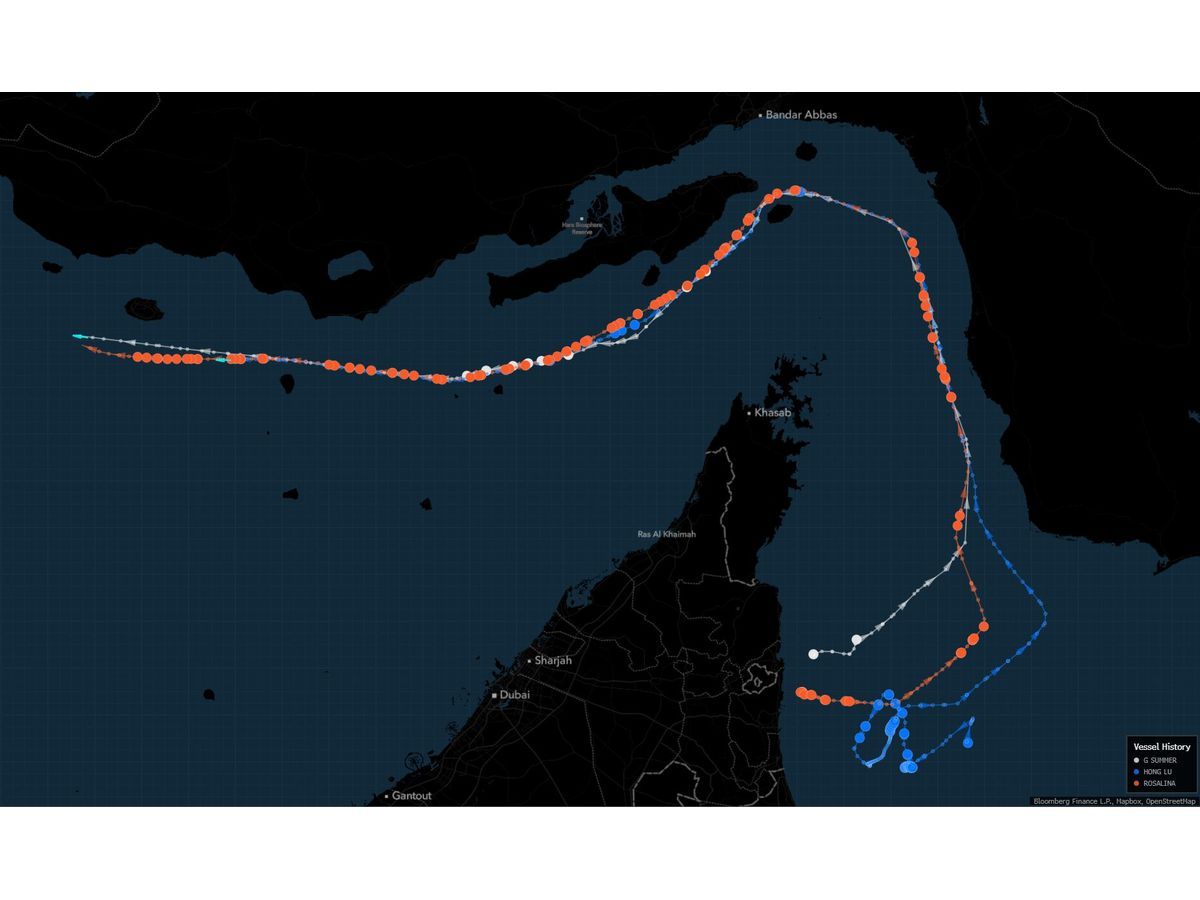
Two US-sanctioned, Iran-linked ships navigated the Strait of Hormuz using a new, unconventional route on Thursday. The maneuver highlights ongoing challenges in tracking maritime movements in one of the world's most critical energy chokepoints.
At least two US-sanctioned vessels linked to Iran successfully transited the Strait of Hormuz and entered the Persian Gulf on Thursday. These ships utilized a previously unobserved routing pattern, suggesting a shift in tactics to move cargo while evading international scrutiny.
Shifting Maritime Logistics
The vessels bypassed standard transit corridors, a move that complicates efforts by monitoring agencies to track the flow of Iranian energy products. By altering their navigational path, these tankers are testing the limits of current maritime enforcement protocols. This development comes as global observers track the crude oil profile for any signs of supply volatility originating from the region.
For traders, these movements represent more than just a logistical anomaly. They provide a window into how sanctioned entities adapt to increased oversight. The use of unconventional routes indicates that existing sanctions enforcement faces ongoing challenges in the narrow, high-traffic waterways of the Middle East.
Market Impact and Supply Chain Vulnerabilities
- The Strait of Hormuz remains a critical bottleneck for global energy supplies.
- Unmonitored transit flows create uncertainty regarding true export volumes from the region.
- Increased tactical maneuvering often precedes shifts in regional shipping insurance premiums.
Traders should monitor whether this behavior becomes a standard operating procedure for the shadow fleet. If these vessels continue to successfully circumvent traditional tracking, market participants may need to adjust their expectations regarding the effectiveness of current sanctions on regional supply output. When shipping lanes become less transparent, the risk premium on energy assets often widens, even if actual flow disruptions remain minimal.
What to Watch
Keep an eye on satellite-based tracking data for further deviations in vessel patterns. Any increase in the frequency of these 'dark' transits could signal a change in Iran's export strategy, potentially pressuring prices if the market perceives a surge in unrecorded supply. Investors should also observe if major maritime insurers adjust coverage terms for vessels operating in these specific corridors.
Transparency in the Persian Gulf remains the primary variable for those gauging the real-time impact of sanctions on energy markets. While these individual movements do not immediately alter global supply balances, they demonstrate a persistent ability to circumvent institutional constraints.
AI-drafted from named primary sources (exchange feeds, SEC filings, named news wires) and reviewed against AlphaScala editorial standards. Every price, earnings figure, and quote traces to a specific source.