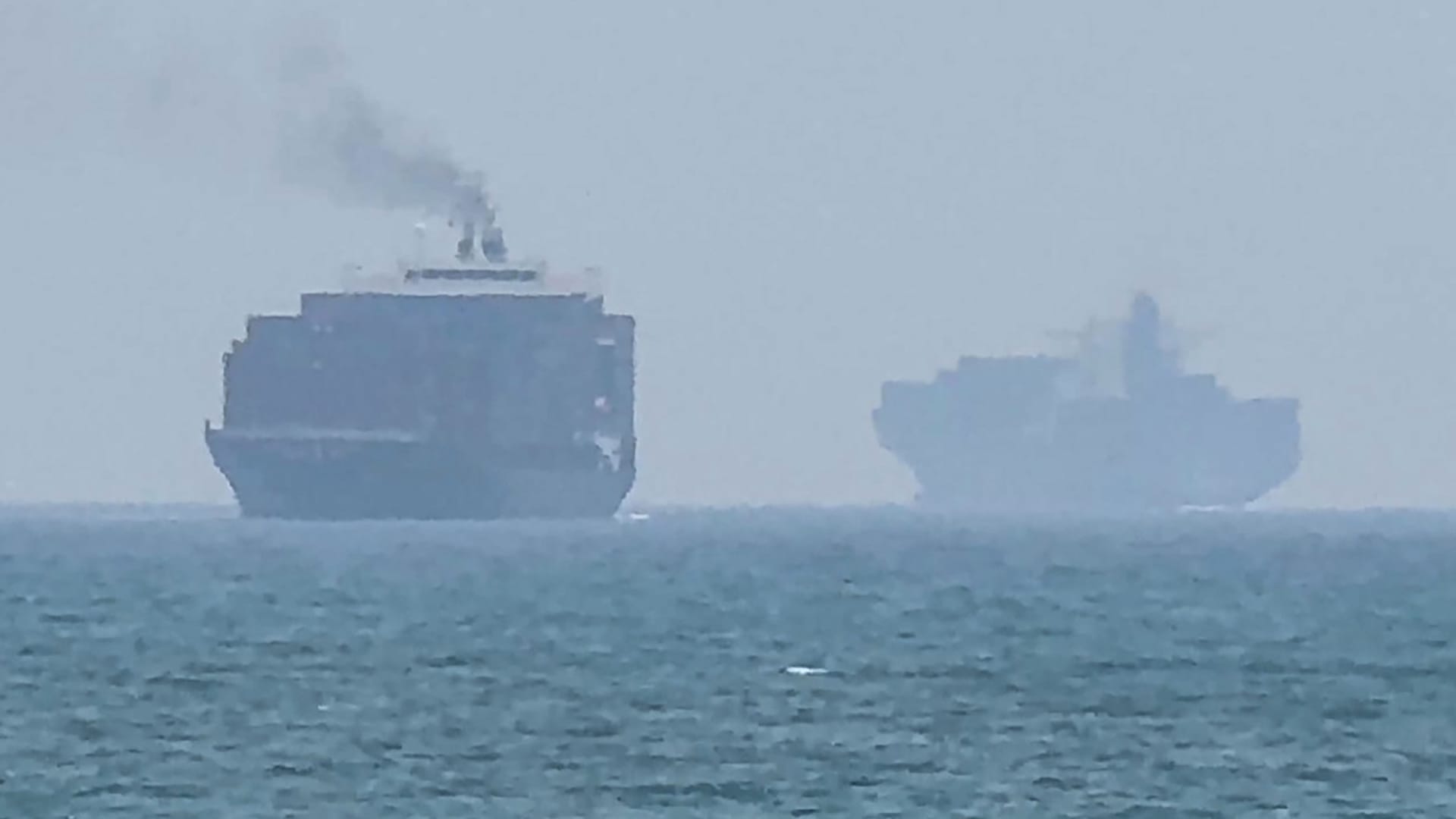
Oil prices trimmed losses Wednesday after the U.S. military said the Strait of Hormuz was open for commercial traffic, a day after Treasury Secretary Scott Bessent said a deal with Iran to reopen the waterway could come within days.
Brent crude, the international benchmark, rose 0.43% to $79.70 a barrel after sliding 5.3% on Tuesday. West Texas Intermediate futures inched up 0.21% to $75.95, following a 5.7% drop the prior session.
U.S. Central Command said the "southern route of the Strait of Hormuz remains free and open" in a post on X, noting it had assisted more than 1,000 vessels transiting the waterway despite what it called "unwarranted" Iranian aggression. That route passes through Omani territorial waters, away from the portion closer to Iran.
Bessent told CNBC on Tuesday that the U.S. and Iran were in talks. "There is a chance we may have a deal today or tomorrow to open the Strait and move towards a more normalized position in this conflict," he said.
A senior Middle East diplomat with direct knowledge of the talks between Iran and Oman told MS NOW that the U.S. and European countries were pressing Oman to accept a temporary reopening agreement. A senior Pakistan government official added that a document on reopening the waterway was "close to being finalized." The official, who spoke on condition of anonymity because of the sensitivity of the talks, said Iran and Oman were holding the discussions with Pakistan mediating and the U.S. involved "indirectly."
Oil had plunged Tuesday on Bessent's comments, which suggested a potential de-escalation of the conflict that has kept the crucial chokepoint largely closed. About a fifth of the world's petroleum passes through the Strait of Hormuz.
The White House and Pentagon on Tuesday pushed back against reports that U.S. munitions stockpiles had been depleted by the war with Iran. Reuters reported the Army had used most of its Army Tactical Missile Systems and Precision Strike Missiles, and CNN said the military had exhausted nearly 80% of its THAAD missile-defense interceptors. President Donald Trump said Washington had "far more munitions than anyone in the world, and far more than we need," and claimed defense companies were "making more munitions than they have ever made before."
White House deputy press secretary Anna Kelly said the military had "more than enough munitions, ammo, and stockpiles to serve all of President Trump's strategic goals."