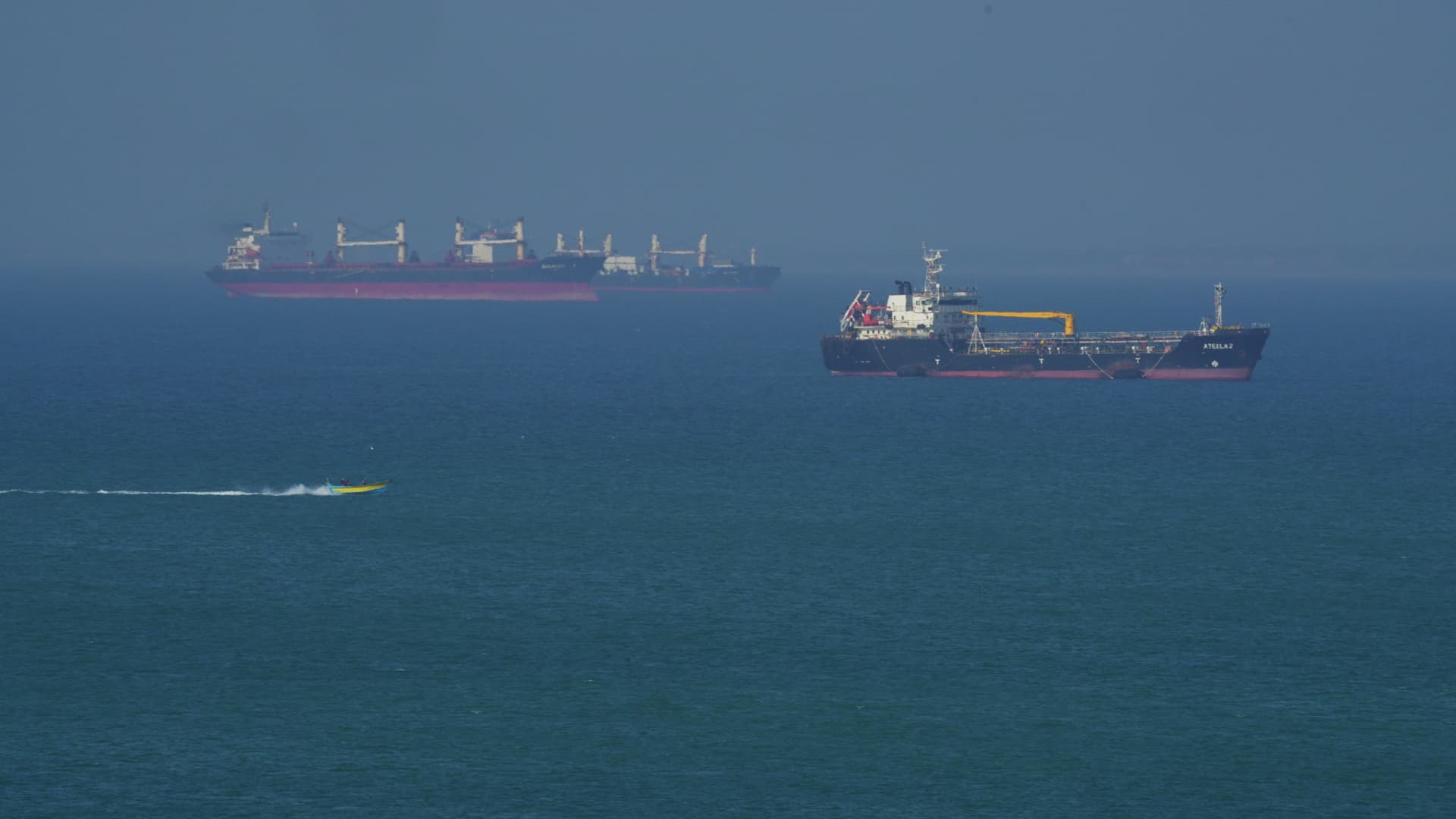
Crude oil prices face volatility as the U.S. launches Project Freedom to clear the Strait of Hormuz. Traders are weighing military intervention against supply.
Crude oil prices are oscillating in a narrow, high-stakes range as the market attempts to price in the immediate impact of the U.S. military initiative known as Project Freedom. While Brent crude futures dipped 0.35% to $107.77 per barrel and West Texas Intermediate futures slipped 0.57% to $101.31 per barrel, the headline price action masks a significant shift in the risk premium associated with the Strait of Hormuz. The waterway, which historically facilitated the transit of approximately 20% of global energy supplies, remains effectively paralyzed by the ongoing conflict between Tehran and Washington.
The announcement from the U.S. Central Command regarding the deployment of guided-missile destroyers, over 100 aircraft, and 15,000 service members represents a direct escalation in the effort to clear civilian shipping lanes. The market is currently struggling to determine whether this intervention will successfully restore transit capacity or if it will trigger a broader regional confrontation. For traders, the distinction is critical. A successful clearing of the strait would likely lead to a rapid unwinding of the geopolitical risk premium currently embedded in crude prices. Conversely, any kinetic engagement between U.S. assets and regional forces would likely force a sharp, liquidity-driven spike in energy benchmarks.
Beyond the immediate military maneuvers, the supply side of the equation has been altered by the latest OPEC+ policy shift. The cartel has agreed to an output increase of 188,000 barrels per day. This decision arrives in a fragile environment, marking the first meeting of the group following the departure of the United Arab Emirates. The exit of the UAE introduces a new variable into the commodities analysis framework, as the cartel's ability to enforce production quotas and manage global inventories is now structurally different than it was in previous cycles. Traders should note that the 188,000 barrel per day increase is relatively modest in the context of the current supply shortfall caused by the blockade.
The report from the United Kingdom Maritime Trade Operations agency regarding a tanker hit by projectiles north of Fujairah serves as a reminder that the physical risk to infrastructure remains elevated. This event occurred despite the announcement of Project Freedom, suggesting that the deterrent effect of the U.S. naval presence is not yet fully priced in or effective. Market participants are now looking for confirmation of whether the U.S. military can maintain the safety of civilian vessels without further destabilizing the region. The next concrete marker will be the success or failure of the first convoy movements under the Project Freedom mandate. Any further attacks on tankers during this operation would likely invalidate the current bearish sentiment seen in the futures market and force a re-evaluation of the supply-chain integrity for the remainder of the quarter.
AI-drafted from named sources and checked against AlphaScala publishing rules before release. Direct quotes must match source text, low-information tables are removed, and thinner or higher-risk stories can be held for manual review.