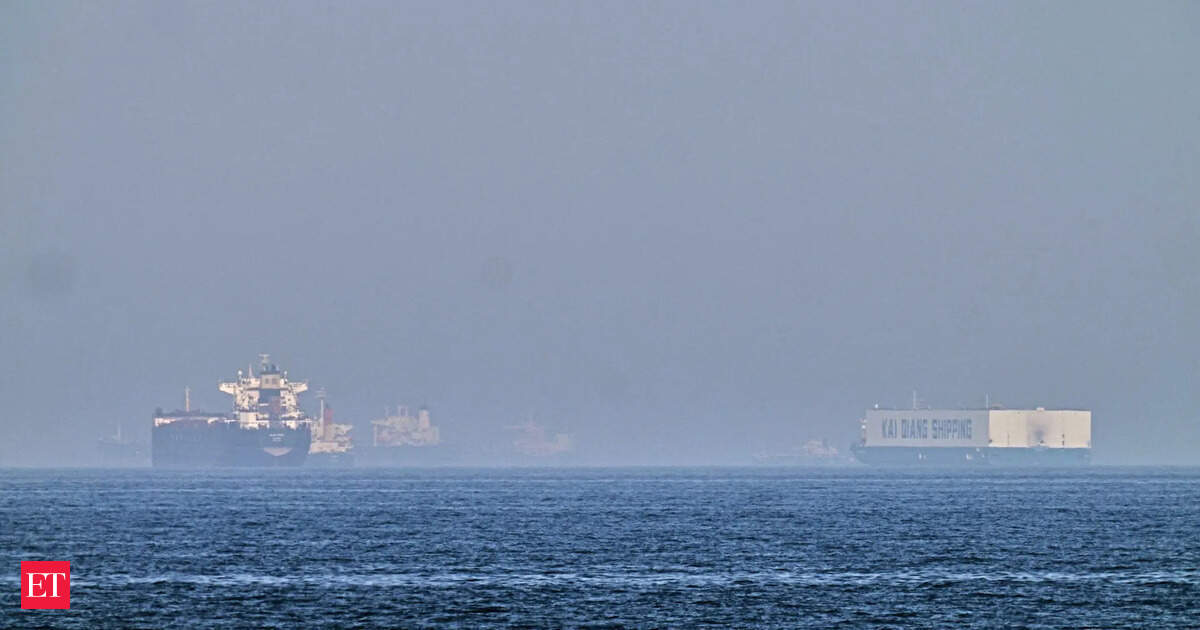
The status of the Strait of Hormuz remains a focal point for global energy markets following a recent announcement by Donald Trump regarding the critical maritime chokepoint. While reports have circulated suggesting a potential reopening of the passage as early as Monday, the situation on the ground remains fluid as Iranian officials have responded to the development. For energy traders, the Strait of Hormuz is not merely a geographic feature but the world's most significant oil transit artery, accounting for roughly one-fifth of global petroleum consumption. Any disruption, or even the threat of one, forces an immediate repricing of risk premiums across the energy complex.
Geopolitical Risk and Transit Throughput
The mechanism driving market volatility here is the concentration of supply. When transit through the Strait of Hormuz is threatened, the immediate effect is a spike in insurance premiums for tankers and a shift in logistics for major producers. If the passage remains restricted or subject to heightened security protocols, the cost of moving crude from the Persian Gulf to international markets increases, effectively tightening global supply even if production levels remain constant. Traders must distinguish between temporary posturing and structural shifts in transit security. A reopening on Monday would likely lead to a rapid compression of the risk premium, potentially reversing recent gains in crude futures. Conversely, if Iranian responses indicate continued friction, the market will likely maintain a higher floor for prices as buyers hedge against further supply chain interruptions.
Energy Sector Exposure and Valuation
Companies with significant upstream exposure in the region, such as ConocoPhillips (COP), are particularly sensitive to these shifts in geopolitical stability. With an Alpha Score of 52/100, ConocoPhillips currently reflects a mixed sentiment profile, balancing robust operational efficiency against the macro risks inherent in energy production. The volatility surrounding the Strait of Hormuz impacts the valuation of such firms by altering the expected net present value of their regional assets. When geopolitical tensions flare, the market often discounts these stocks based on the potential for asset impairment or production delays, regardless of the company's underlying fundamentals. Investors tracking COP stock page should monitor the delta between current crude spot prices and the forward curve, as this spread often signals whether the market expects a sustained supply shock or a short-term geopolitical headline event.
Market Mechanism and Execution Risk
For those navigating the commodities analysis landscape, the primary risk is the binary nature of the news flow. Markets often overreact to initial headlines, creating liquidity gaps that can be exploited by disciplined participants. The key to managing this setup is to look past the noise of diplomatic rhetoric and focus on physical tanker tracking data. If the Strait of Hormuz does indeed reopen on Monday, the initial move will likely be a sharp sell-off in oil futures as speculative longs exit their positions. However, the sustainability of that move depends on whether the underlying security concerns are resolved or merely deferred. Traders should be wary of chasing the initial price action, as the lack of clarity from Iranian authorities suggests that the risk of future closures remains elevated. Relying on crude oil profile data to gauge historical reactions to similar transit threats can provide a more grounded framework than reacting to individual news cycles. If the situation stabilizes, the focus will likely shift back to global demand metrics and inventory levels, which remain the primary drivers of long-term price trends.