Oil prices jumped Sunday, with US crude rising nearly 3% to $78.70 a barrel, after Tehran announced it had again closed the Strait of Hormuz. The move came as American and Iranian negotiators sat down in Switzerland to implement the interim agreement reached last week.
Brent crude gained just over 1%, settling at $81.70 a barrel. The Strait handles about a fifth of global oil shipments. A closure, even a threatened one, puts a floor under prices until the talks produce something concrete.
The talks, the threat, and the gap
The US delegation, led by Vice President JD Vance and including Jared Kushner and Steve Witkoff, met with Iran's team headed by Parliament Speaker Mohammad Bagher Qalibaf and Foreign Minister Abbas Araghchi. Pakistan and Qatar mediated.
Tehran linked the Strait closure to Israel's military operations in Lebanon against Hezbollah. The interim agreement is supposed to halt hostilities across all fronts, including Lebanon. Iran said Lebanon must be addressed before broader talks move forward.
The US insists commercial shipping continues to pass through the waterway. Trump warned he could impose tolls on vessels using the Strait if a comprehensive deal is not finalised within 60 days.
What is on the table
The agenda covers the Strait of Hormuz, Lebanon, Iran's nuclear program, and sanctions. Iranian officials said some progress was made on nuclear matters, sanctions relief, and oil exports. The US side wanted meaningful advances on the nuclear issue.
A senior US diplomat, speaking on condition of anonymity, dismissed reports that Iran had withdrawn. The diplomat said a significant portion of the discussions focused on clarifying Iran's recent remarks about the Strait and on mechanisms to keep it open.
The trust problem
A senior US diplomat said the two sides explored several mechanisms aimed at keeping the Strait open and ensuring a ceasefire in southern Lebanon is implemented and maintained.
Despite the opening round producing encouraging results, a longstanding lack of trust between Washington and Tehran continues to shadow the talks. Momentum fluctuated after a social media post by Trump, according to Al Jazeera.
Netanyahu's view
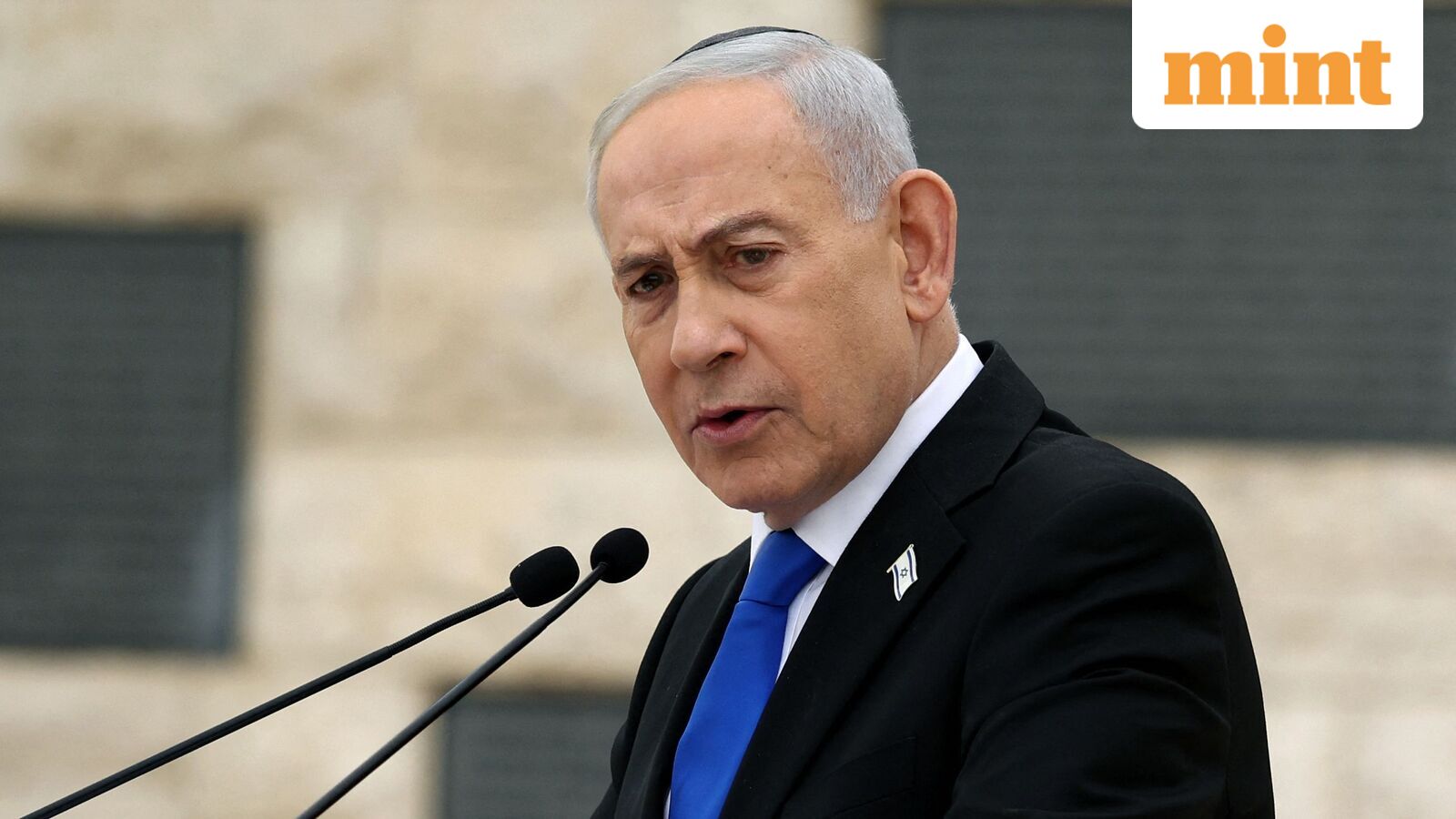
Israeli Prime Minister Benjamin Netanyahu told the JNS International Policy Summit in Jerusalem on Sunday that he believes the Iranian government will collapse as a result of the military campaign. Creating conditions for a popular uprising was one of his original goals.
"I think we created the conditions for its future fall," Netanyahu said. "That is what will be the real triumph, when the Iranian people take their own destiny in their hands, and they knock out this brutal regime that is terrorising them and terrorizing the rest of the world."
What to watch
Negotiators expected to continue discussions through the night. The talks also cover releasing billions of dollars in frozen Iranian assets. The 60-day clock on Trump's toll threat means every session carries weight. Oil traders will watch for any sign the Strait closure is more than a negotiating posture.