Commodities● Neutral
Oil Jumps 2.9% as US Strikes on Iran Threaten Supply
After US strikes on Iran, oil surged 2.9% on fears of a Hormuz blockade. The Strait of Hormuz carries 20% of global supply. Iran's next move sets the tone for crude.
Continue with
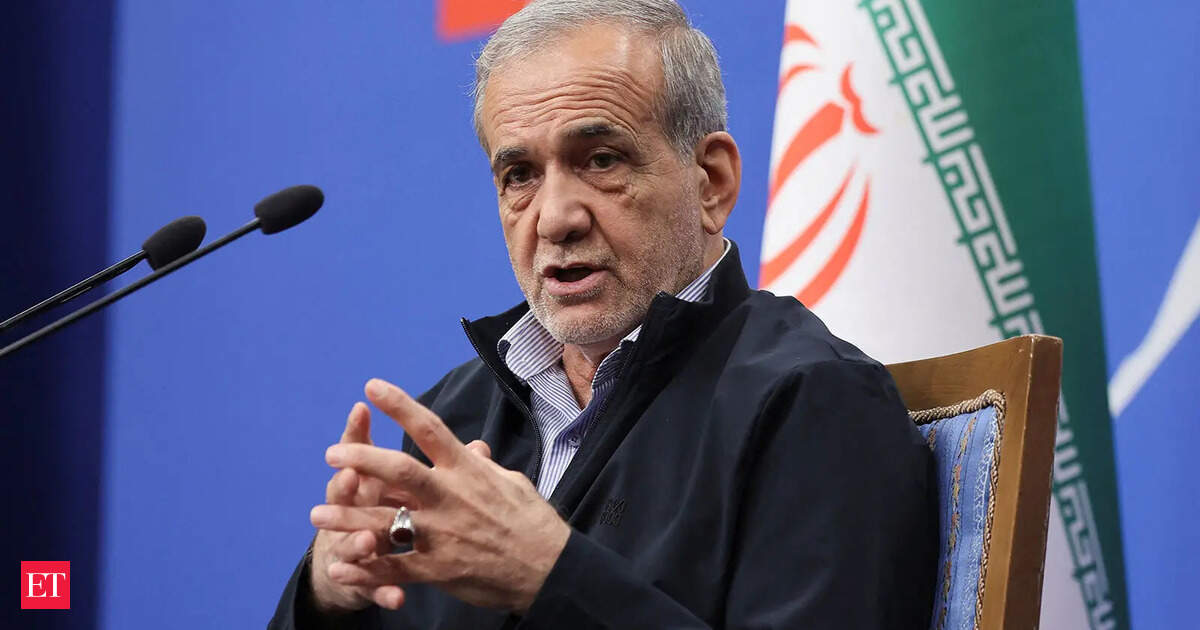
Oil surged 2.9% as US strikes on Iranian targets pushed the region closer to a broader conflict. Iranian President Masoud Pezeshkian cut short his visit to Iraq and flew back to Tehran, his office said. His government weighed a response to what it called an act of aggression.
Brent crude crossed $85 a barrel, the highest in two weeks. Traders priced in a risk premium for supplies passing through the Strait of Hormuz, a chokepoint carrying roughly 20% of global oil. The move echoed the pattern seen in Oil Surges 2.9% as US Strikes on Iran Threaten Hormuz Ceasefire, where a similar escalation drove prices.
The Pentagon confirmed the strikes hit sites linked to Iran's Revolutionary Guard in Syria and Iraq. The White House described them as a direct response to attacks on US personnel in the region. Iran's foreign ministry condemned the action and reserved the right to respond at a time and place of its choosing.