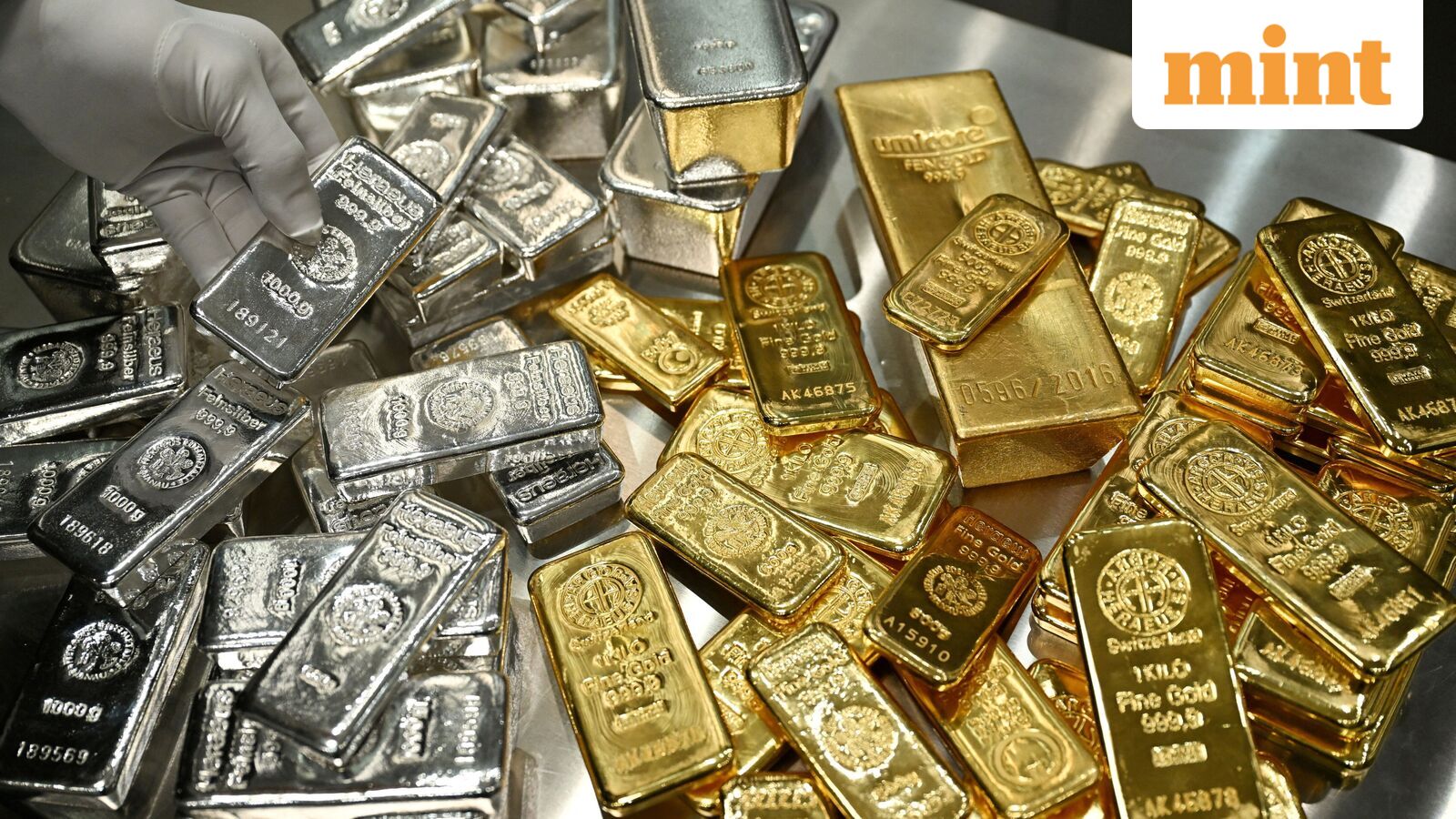
Gold ETFs saw a ₹725 crore net outflow in May as falling prices and mutual fund subscription caps reversed a year of record inflows. The twin tailwinds of rising gold and a weakening rupee have narrowed.
Gold ETFs in India saw a net outflow of about ₹725 crore in May, snapping more than a year of steady investor interest. The number of investor folios also fell between April and May, a sign that holders are selling rather than adding.
The reversal follows a record-breaking 2025-26, when net inflows hit ₹68,868 crore – more than double the total of the previous five fiscal years combined. In January 2026, gold ETF inflows even surpassed equity mutual fund flows for the first time, according to a Mint analysis by Deepa Vasudevan.
Two factors drove the shift.
The first is weaker demand for gold itself. Safe-haven buying dropped after tensions in the Strait of Hormuz eased. Higher import duties cut India's gold imports, and persistent US inflation stoked expectations for year-end rate hikes. That strengthened the dollar, making gold less affordable for major buyers such as India and China.
The second trigger came in early May. Prime Minister Narendra Modi urged people to reduce gold purchases. Soon after, several large mutual funds limited fresh lump-sum subscriptions into their gold ETFs and fund-of-funds that invest in them. The caps were ₹25 crore for large investors and ₹10 lakh per investor per month for smaller buyers. The funds said they wanted to curb high-net-worth and corporate inflows without hurting retail investors or systematic investment plans. Sentiment took a hit anyway.
Gold ETF returns depend on two variables: the gold price in US dollars and the rupee-dollar exchange rate. Between January 2025 and February 2026, both kicked in. Gold rose almost every month in dollar terms, while the rupee steadily depreciated. That double boost made 2025 an even better year for ETF holders than 2022, when the Ukraine war weakened the rupee but gold did not rally as sharply.
Over the past two months, the twin kicker has narrowed. Gold prices have fallen from a January peak of ₹1.64 lakh per 10 grams to roughly ₹1.40 lakh. At the same time, the rupee has stabilised. The result is flatter returns.
The restoration of oil and gas supplies could ease India's current-account deficit, which would reduce downward pressure on the rupee. That is unlikely to support near-term gold ETF returns, the Mint article notes.
Still, gold ETFs remain the best option for gold exposure in India, the analysis argues. Physical gold requires storage and security. Digital gold and e-gold platforms are unregulated – Sebi issued a warning in November 2025 about counterparty and operational risks. Electronic gold receipts trade with low liquidity, and sovereign gold bonds have not seen a new issue in months.
A Zerodha report cited in the Mint piece shows how shifting gold prices reshape demand. During the 2025 rally, jewellery demand fell while purchases of coins, bars and ETFs rose. Higher collateral values also led to a surge in retail loans against gold. If gold prices keep falling, some demand will cycle back into jewellery. ETF investors who have seen the diversification and return benefits are likely to treat any dip as temporary and buy the discount.
Prepared with AlphaScala research tooling and grounded in primary market data: live prices, fundamentals, SEC filings, hedge-fund holdings, and insider activity. Each story is checked against AlphaScala publishing rules before release. Educational coverage, not personalized advice.