Oil Jumps 2% as Hegseth Says US Ready to Bomb Iran Facilities
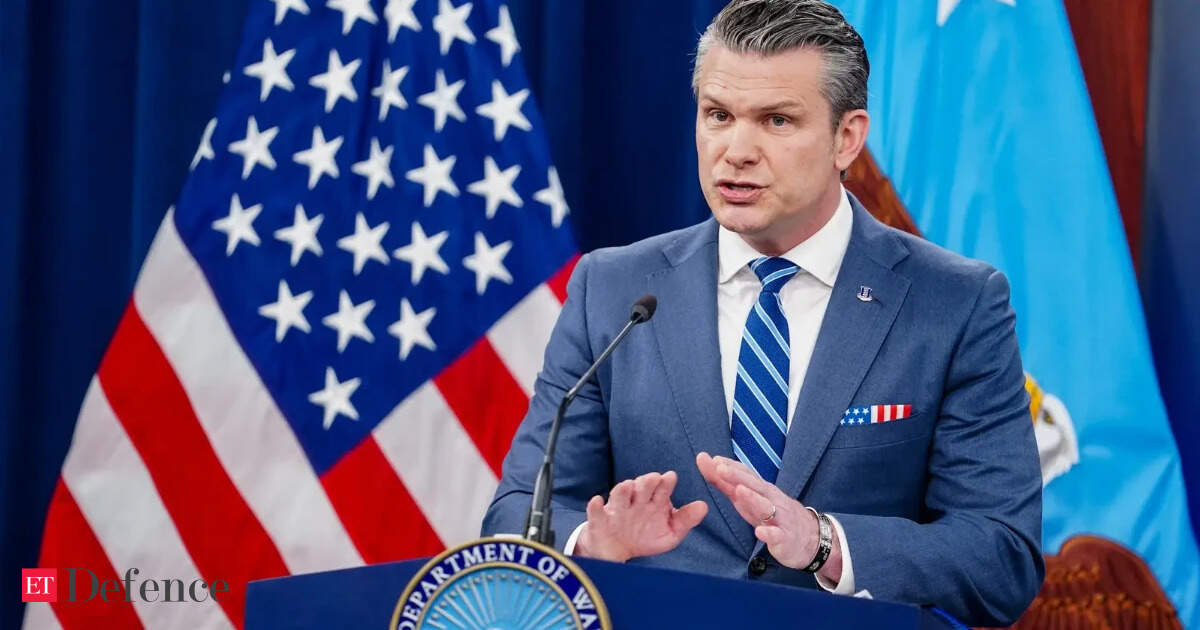
Hegseth says US will strike Iranian facilities if talks fail. Brent crude jumps 2.3% to $87.40. Pentagon deploys carrier group. Iran accelerates enrichment.
Alpha Score of 39 reflects weak overall profile with weak momentum, poor value, moderate quality, moderate sentiment.
Defense Secretary Pete Hegseth said Monday the U.S. military is ready to bomb “key facilities” inside Iran if diplomatic talks fail, a warning that sent oil prices higher and sharpened the risk of direct confrontation in the Middle East.
Hegseth told reporters Iran had missed its window for a negotiated settlement. “The president has been clear – if diplomacy doesn't work, we will strike the facilities that threaten our interests,” he said. He did not name specific installations, though past Pentagon planning documents have identified nuclear enrichment sites at Natanz and Fordow, along with missile bases and Revolutionary Guard command centers.
The comments come as the White House reviews options for a broader military posture in the region. President Trump has publicly threatened to bomb Iran if it does not agree to new limits on its nuclear program. Iran's foreign ministry responded by calling the threats a violation of international law and warning of “crushing retaliation” against any attack.
Brent crude rose 2.3% to $87.40 a barrel on the Hegseth remarks, extending a rally that began after the breakdown of indirect U.S.-Iran talks in Oman last month. Traders said the risk premium now includes the possibility of a direct strike on Iranian energy infrastructure, which could remove 1.5 million to 2 million barrels a day of supply from global markets.
“The market is pricing in a non-zero chance of a physical disruption to Iranian exports,” said Helima Croft, head of commodity strategy at RBC Capital Markets. “That is a different risk than the sanctions-driven supply losses we have seen before.”
Iran's oil exports have already fallen to about 1.2 million barrels a day, down from 1.8 million in early 2024, as U.S. sanctions enforcement has tightened. A military strike could push that number to zero, analysts said.
The Pentagon has positioned additional naval assets in the Persian Gulf over the past month, including the USS Dwight D. Eisenhower carrier strike group. Hegseth declined to discuss specific deployments but said the U.S. military “has the capability to strike with precision and speed.”
Tehran has responded by accelerating its uranium enrichment. The International Atomic Energy Agency reported last week that Iran now holds enough 60%-enriched uranium to produce three nuclear weapons within weeks, if it chose to further enrich to weapons grade.
European diplomats have tried to revive a diplomatic track. Hegseth's comments suggest the administration is losing patience. “The window for talks is closing,” he said. “We are not going to wait forever while Iran gets closer to a bomb.”
The key variable for markets is whether the threat is real or rhetorical. Trump has a history of escalating rhetoric followed by last-minute deals. The military preparations – the carrier deployment, the public targeting language, the diplomatic shutdown – look different this time, several former officials said.
“The administration is building a credible threat of force,” said Richard Nephew, a former State Department official who worked on Iran sanctions. “Whether they use it depends on whether Iran blinks first.”
Iran's currency, the rial, hit a record low against the dollar on Monday, reflecting domestic anxiety about the prospect of war. The Tehran stock exchange fell 3.4%.
No date has been set for a new round of talks. The White House said Trump would make a final decision on military action “in the coming weeks.”
Drafted by a large language model from the source reporting linked above, then screened by automated publishing checks. It is not read by a journalist before publication. Some articles cite our Alpha Score. Verify prices and figures against the original source. Educational coverage, not personalized advice.