Stocks● Neutral
Oil in focus as U.S., Iran set Doha talks after weekend clashes
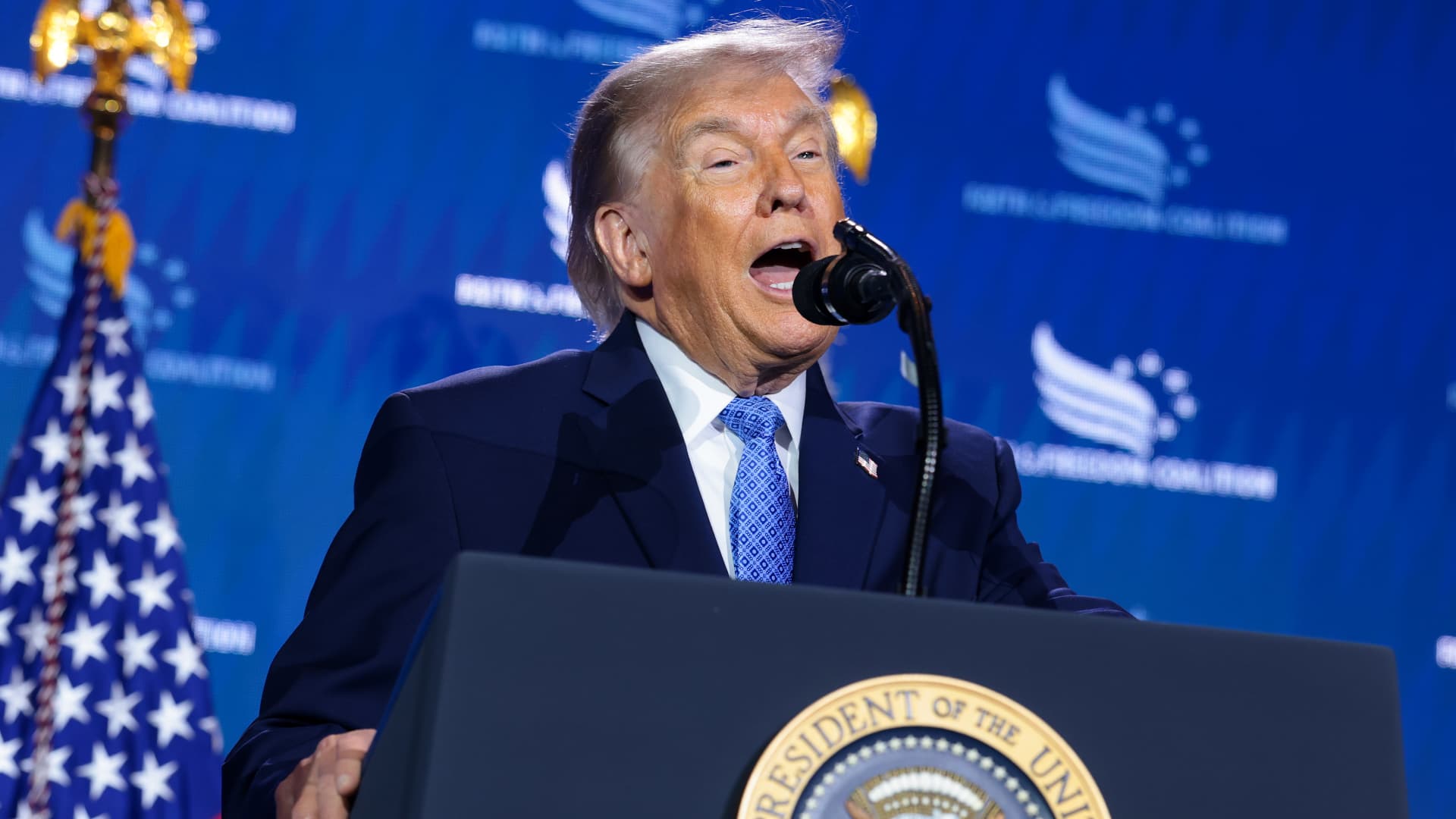
Trump says talks Tuesday in Doha after airstrikes. Oil prices fell to pre-war levels. A ceasefire could unwind the crude risk premium built since February.
Continue with
The U.S. and Iran will hold negotiations Tuesday in Doha, President Donald Trump said Monday, following a weekend of airstrikes that raised the risk of a broader Middle East conflict. The announcement came as crude oil prices fell to levels not seen since before the war began on Feb. 28.
"IRAN HAS REQUESTED A MEETING. IT WILL TAKE PLACE TOMORROW IN DOHA!," Trump posted on Truth Social. U.S. officials said both sides would pause hostilities and allow commercial vessels to transit the Strait of Hormuz, the narrow waterway that handles about 20% of global oil traffic.
The talks represent the first attempt at a diplomatic reset after the weekend's exchanges. Iran's foreign ministry did not immediately respond, and a senior Iranian official had earlier denied that any technical talks were expected. The uncertainty leaves oil markets in a familiar position – balancing the possibility of a ceasefire against the risk of a prolonged disruption.
Crude's recent decline reflects that tension. Trump welcomed the drop in prices Monday, noting that U.S. crude had fallen to its lowest since before the conflict. For traders, the question is whether the Doha meeting can deliver a durable arrangement. A ceasefire that clears the Strait of Hormuz for normal traffic would remove the supply-risk premium that has buoyed crude since February. That premium, built on fears of a closure of the chokepoint, could unwind quickly if the talks produce a concrete halt to hostilities.