Commodities● Neutral
Why Oil Futures Drop While Gas Pump Prices Remain Stuck
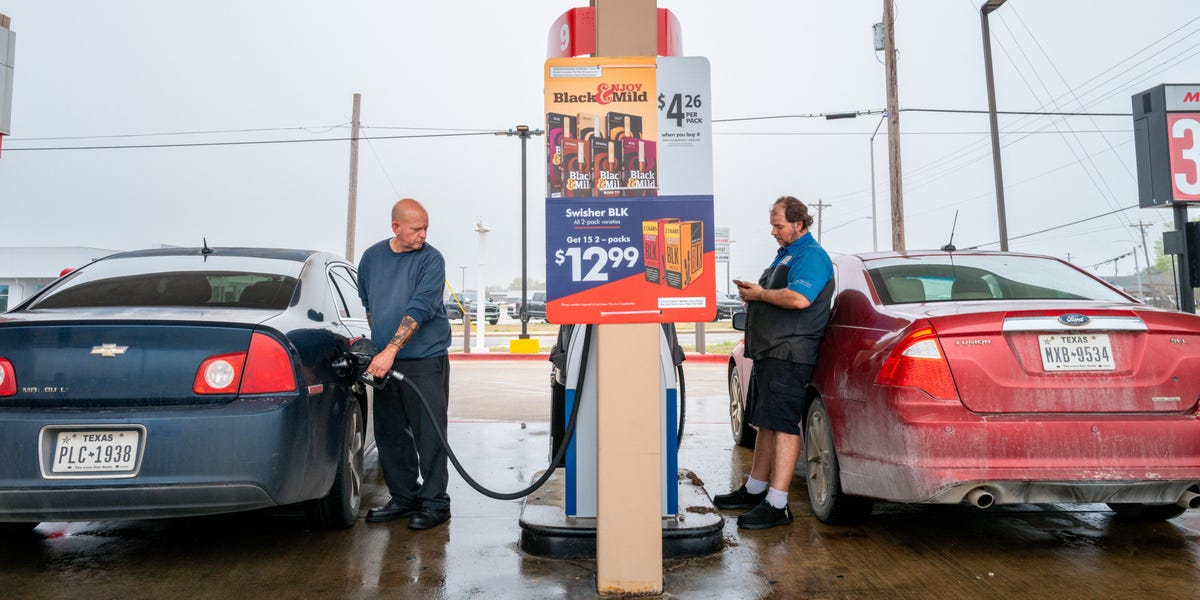
Retail fuel costs face a two to four-week lag due to refining and distribution delays. Watch EIA inventory data to see if lower crude prices finally stick.
Continue with
The Geopolitical De-escalation Dividend
Global energy markets are recalibrating in the wake of President Trump’s recently announced ceasefire, a development that has triggered an immediate cooling effect on oil and gas futures. As traders scramble to price in a de-escalation of regional hostilities, benchmark energy contracts have seen downward pressure, reflecting a market betting on a more stable supply chain. However, for the average consumer and the broader economy, this volatility in futures does not translate into an overnight correction at the local gas station.
While the financial markets operate on sentiment and forward-looking expectations, the retail gasoline market is tethered to a sluggish, physical supply chain. For investors and energy analysts, the current disconnect between the futures exchange and the retail pump is a classic case of supply-side latency, where the cost of raw crude must navigate a complex gauntlet of refining, distribution, and inventory management before settling into a lower price at the nozzle.
The Anatomy of the 'Pump Lag'
The mechanism behind this delay is rooted in how fuel is priced and delivered. When oil futures drop, they reflect the price of crude oil to be delivered at a future date. However, the gasoline currently sitting in underground storage tanks at service stations was purchased by retailers weeks ago, often at the higher prices that prevailed before the ceasefire announcement.
Furthermore, the refining process acts as a significant buffer. Crude oil must be processed into gasoline, transported via pipeline or tanker, and distributed to regional terminals. This logistical chain creates a 'lag effect' that typically lasts between two to four weeks. Even if oil prices sustain their current downward trajectory, retailers are historically slow to lower prices, often waiting to ensure that the lower costs are sustained in the wholesale market before passing those savings on to consumers to protect their own margins.