Commodities● Neutral
Oil Drops 3% as Trump Shows Reluctance to Escalate Iran Conflict
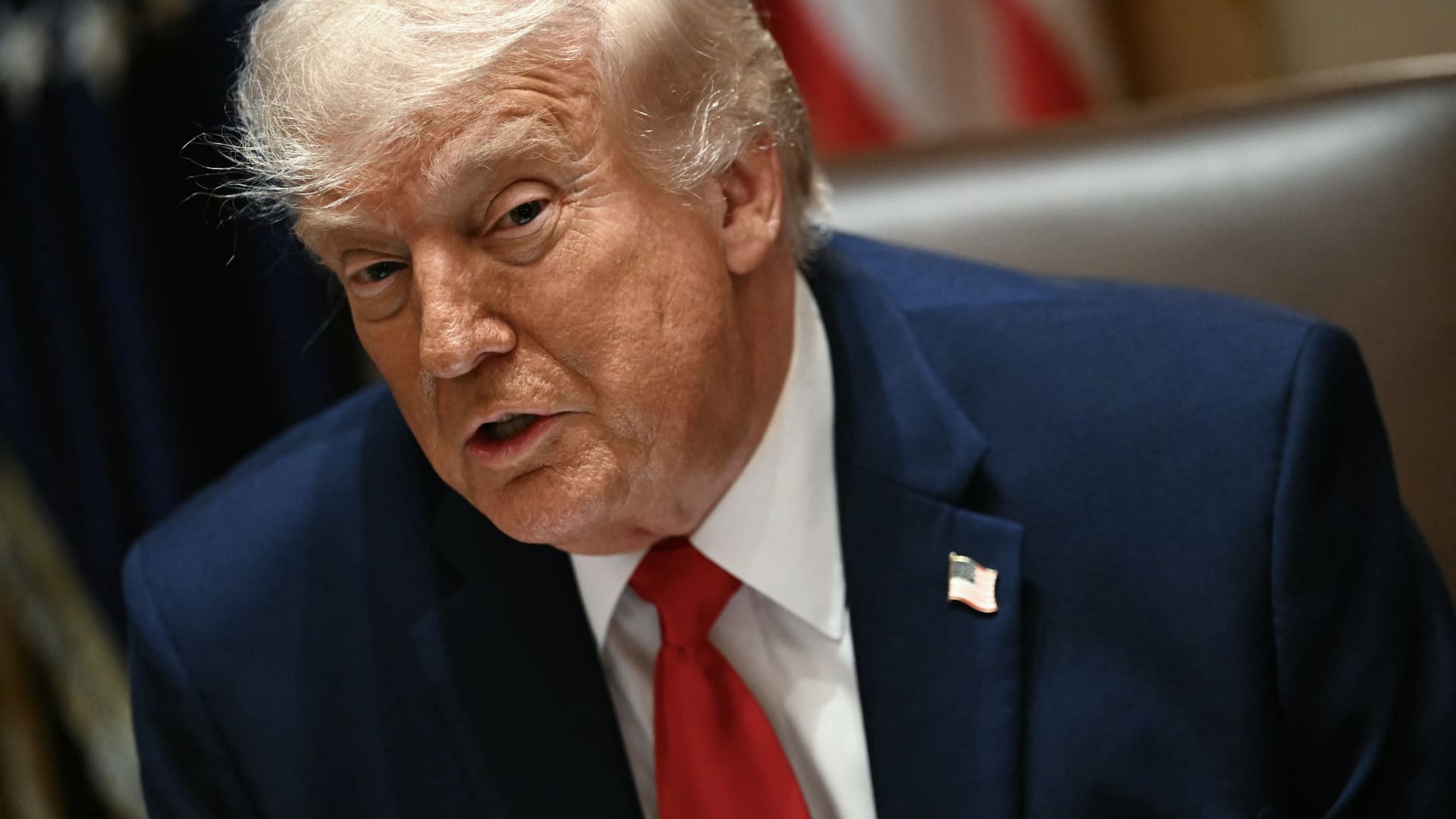
WTI crude dropped 3.5% to $92.64 after a report showed President Trump is unwilling to resume full-scale war with Iran. The risk premium compressed. The ceasefire remains fragile.
Continue with
Crude oil prices fell about 3% on Thursday after a Wall Street Journal report indicated President Donald Trump is reluctant to resume full-scale war with Iran despite recent clashes. West Texas Intermediate futures dropped 3.5% to $92.64 per barrel by 8:30 a.m. ET. Brent crude, the international benchmark, fell more than 3% to $94.78 per barrel.
The report cited unnamed U.S. officials who said Trump told aides the weekslong ceasefire with Iran is holding despite sporadic clashes. The president said he would consider ending the truce only if Iran kills American troops. This stance contrasts with earlier signals that the ceasefire was on the verge of collapsing after Iranian state media said Tehran had cut off talks with the U.S. because of Israel’s military campaign in Lebanon.
The Israel-Lebanon ceasefire agreed Wednesday adds another layer. Israeli Prime Minister Benjamin Netanyahu told CNBC that "we have to disarm Hezbollah and we have to demilitarize Lebanon." Hezbollah operates independently from the government in Beirut, making full demilitarization unlikely without further conflict. The durability of that ceasefire is uncertain.
The Fragile Ceasefire and the Iran Risk Premium
The price action reflects a compression of the geopolitical risk premium. Traders had priced in a higher probability of direct U.S.-Iran confrontation after Iran cut off talks. The Wednesday ceasefire between Israel and Hezbollah, Iran’s key proxy, removed one escalation trigger. The premium has not vanished. Trump’s reluctance is conditional. If American troops are killed, the calculus changes.