Iran Truce Deal Sets Off Oil Premium Unwind
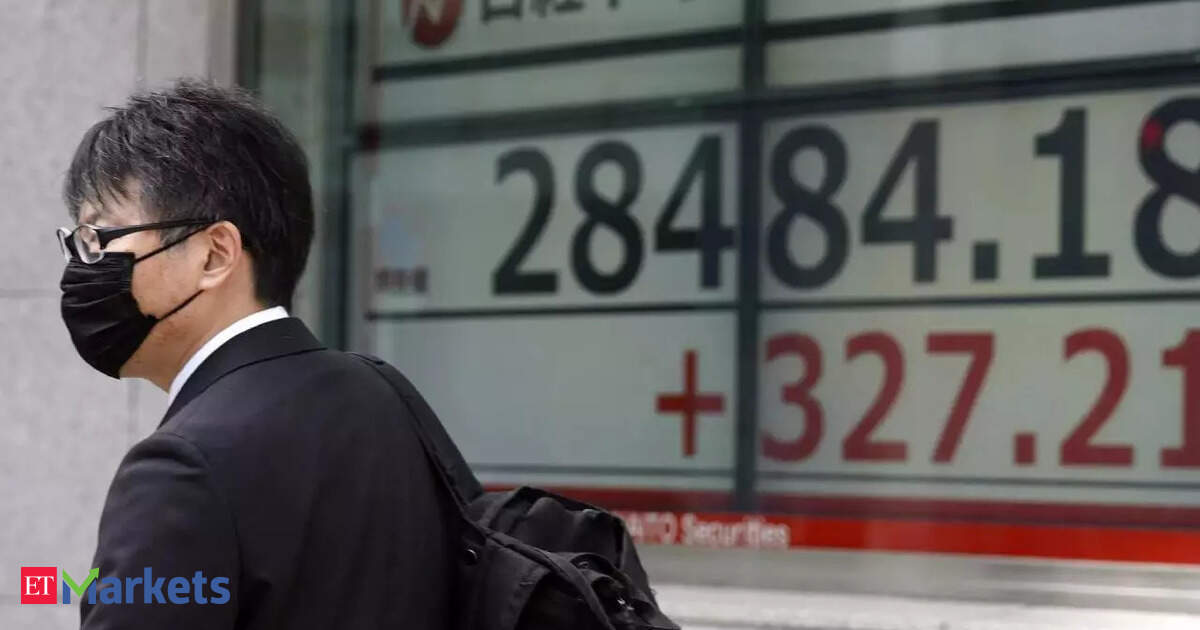
The US-Iran truce deal triggered a sharp drop in oil prices and a broad rise in Asian equity benchmarks. For traders tracking the cross-asset readthrough, the move represents a reversal of the geopolitical risk premium that had been priced into crude since the escalation. The direct sector readthrough is straightforward: sectors squeezed by higher energy costs now get relief. The opportunity requires a more careful look at positioning and sustainability.
The truce removes a key supply disruption risk from the Persian Gulf. Oil had carried a risk premium since the escalation; the drop reflects the unwind of that premium rather than a structural shift in global supply-demand balances. Asian markets, heavy oil importers, responded with broad gains.
Sector Winners: Airlines First, Then IT and Banks
The most direct readthrough is into airlines. Carriers like Akasa Air had been hit by rising jet fuel costs. Lower oil feeds directly into operating expense forecasts. Indian carriers and other Asian airlines should see near-term margin relief, provided the truce holds.
Beyond airlines, IT services stocks such as Infosys and Wipro benefit indirectly. Falling oil reduces inflationary pressure, which can slow rate hikes and support demand in key export markets. In India, HDFC Bank and other financials like State Bank of India and Axis Bank gain from a softer inflation outlook, reducing urgency for the Reserve Bank of India to tighten further. Power utilities like NTPC see mixed effects: lower fuel costs help margins. A weaker oil price can also signal slower global growth, weighing on power demand. The sector-level readthrough depends on how the truce shifts expectations for central bank policy and economic activity.
INFY Leads Among HDB, WIT on Alpha Score Basis
The naive interpretation is that oil-sensitive sectors are a uniform buy. The better market read examines positioning and the nature of the oil drop. First, the truce does not guarantee a sustained oil decline. OPEC+ production cuts remain in place, and Iran's return to full export capacity would take months. The oil drop may be a one-day repricing rather than a multi-month trend. Traders who chase airline stocks today risk buying into a relief rally that fades if crude stabilizes. Second, many Asian stocks had already rebounded on dovish central bank pivots. The oil drop adds a tailwind. Valuations in pockets are no longer cheap.
AlphaScala's proprietary scoring system provides a risk-adjusted lens for the three Indian stocks most frequently tied to this trade.
- HDFC Bank (HDB): Alpha Score 39/100 (Mixed). Benefit from lower inflation but execution risk in the HDFC Ltd merger.
- Infosys (INFY): Alpha Score 57/100 (Moderate). More favorable risk-reward as IT demand stabilizes and input costs ease.
- Wipro (WIT): Alpha Score 46/100 (Mixed). Margin recovery potential offset by client budget uncertainty.
These scores do not signal a directional call. They suggest that Infosys offers the best risk-adjusted exposure to the oil drop among the three, while HDFC Bank and Wipro require more specific catalysts to outperform. Read more on each stock: HDB stock page, INFY stock page, WIT stock page.
Truce Follow-Through and OPEC+ Response as Next Markers
The truce is only the first act. Traders now watch for implementation details, including whether Iran resumes full exports and how OPEC+ adjusts. A failure to follow through would reverse the oil drop and squeeze the sectors that rallied today. On the other hand, if the truce leads to broader de-escalation across the Middle East, the energy cost relief could extend into a multi-quarter tailwind for Asian equities. The next concrete markers are the weekly US inventory data and the next OPEC+ meeting. These will test whether the oil move is sustainable or just a headline-driven spike. For broader context on Asian market dynamics, see our stock market analysis.