HDFC Bank Names Rajiv Kumar as Chairman After Long Search
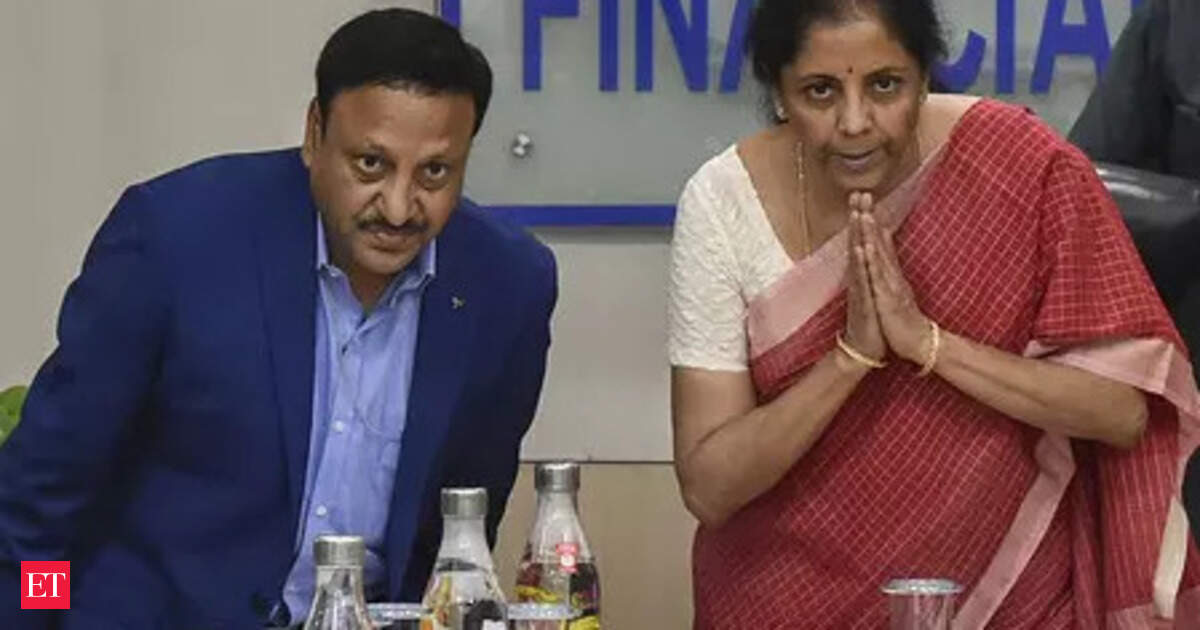
Former election commissioner Rajiv Kumar appointed HDFC Bank chairman, ending months of uncertainty. RBI approval and shareholder vote still needed.
HDFC Bank named former IAS officer and ex-Chief Election Commissioner Rajiv Kumar as its part-time non-executive chairman, ending months of search for a permanent leader. The board approved his appointment as an additional independent director for four years starting June 30, 2026. A separate three-year term as chairman awaits RBI approval, and shareholders must also ratify his director role.
The appointment resolves a governance overhang that has weighed on HDFC's stock. Since the departure of its previous chairman in 2023, the bank has operated with an interim structure, raising questions about succession planning at India's largest private lender by assets. A permanent chairman brings clarity to board-level decisions, particularly around capital allocation and strategy execution, where the RBI had been pressing for stronger oversight.
For the sector, the development suggests the regulator sees no fundamental governance fault lines at HDFC that would block a clean leadership transition. ICICI Bank, Axis Bank, and Kotak Mahindra Bank, all of which have faced their own regulatory scrutiny in recent years, could benefit from a reassessment of governance risk. If the RBI approves Kumar quickly, the read-through is that the central bank is comfortable with the current board composition at the larger private banks.
HDFC's Alpha Score of 46 out of 100, classified as Mixed, partly reflects the uncertainty around leadership. A confirmed chairman with regulatory backing could push that score higher by reducing the governance discount baked into the stock. The track record of the new chairman – Kumar has served as chief election commissioner and held senior roles in the finance ministry – adds a layer of regulatory familiarity that the board likely values in the current environment.
The appointment also ends a period of speculation over who would replace Deepak Parekh, the longtime chairman who stepped down in early 2023. HDFC's merger with HDFC Bank was completed in mid-2024, and the combined entity's governance structure remained fluid. A permanent chairman provides a single point of accountability for investors and regulators alike.
Market reaction to the news was muted, with HDFC shares trading flat on Monday. That reflects the conditional nature of the appointment: until the RBI signs off on the chairmanship, the uncertainty is not fully resolved. The bank's stock page – see HDFC's full profile – shows the stock has underperformed the Nifty Bank index by roughly 8% over the past year, a gap that could narrow if regulatory headwinds ease.
RBI approval is required under the Banking Regulation Act, given Kumar's role as a part-time chairman. The central bank typically takes four to eight weeks to process such applications. Shareholders will vote on Kumar's directorship at the next annual general meeting, likely in August. The combination of regulatory and shareholder consent means the appointment is not final until both steps clear.
For investors tracking Indian financials, this appointment removes one of the last lingering doubts about HDFC Bank's board composition. The more material question – whether the RBI will lift the restrictions on new credit card issuance – remains open. That decision will depend on the bank's progress on IT infrastructure and compliance, not on who sits in the chairman's office.
Drafted by a large language model from the source reporting linked above, then screened by automated publishing checks. It is not read by a journalist before publication. Some articles cite our Alpha Score. Verify prices and figures against the original source. Educational coverage, not personalized advice.