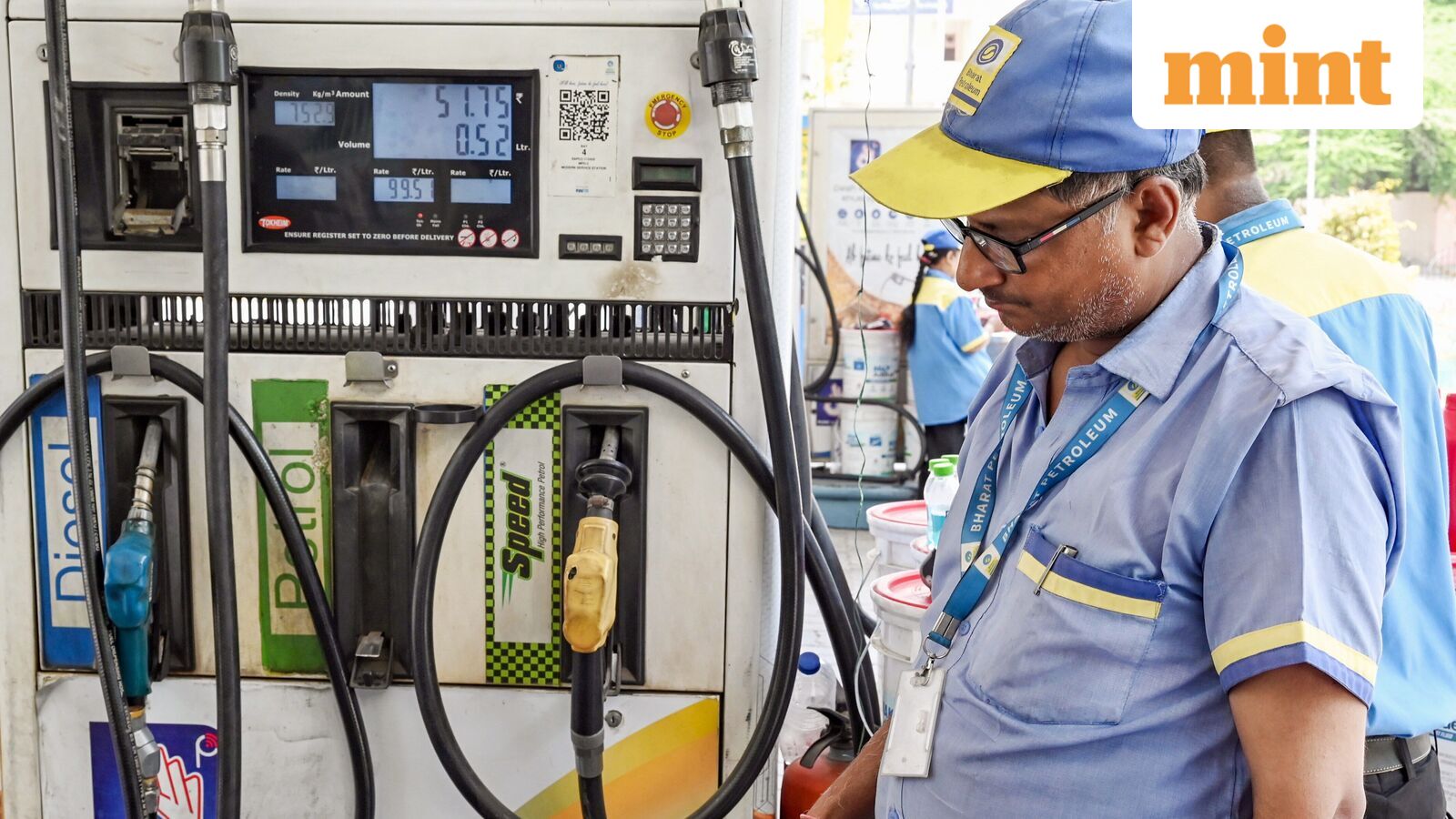
Petrol and diesel prices held steady on Friday, 19 June, even as Brent crude swung on fresh geopolitical nerves. State-run oil marketing companies had last revised retail prices on 25 May, after a cumulative ₹ 7.50 per litre increase in petrol starting 15 May – the first in four years – to pass on part of the global price shock from the West Asia war. Consumers were shielded for the first 78 days of the conflict.
Now the picture is shifting, and the mechanism matters more than the headline. An interim 14-point deal between the United States and Iran took effect this week, lifting the US blockade on Iran and allowing oil tankers to resume passage through the Strait of Hormuz. The Strait carried one-fifth of the world's oil before the war. The deal calls for restoration of traffic to full capacity within 30 days, with Iran allowing toll-free passage.
Brent crude futures settled at $79.85 a barrel on Thursday, up 30 cents after sliding as low as $76.54 earlier in the session, Reuters reported. The drop to war-era lows was itself a signal that traders had priced in a full resumption of flows. What spooked the bounce was a new round of geopolitical friction.
US Vice President JD Vance warned Israel against further attacks in Lebanon on Iran-backed Hezbollah, casting doubts on the durability of the agreement as Israel continued to pound Lebanon. “The vice president's statements about Israel may have put things back on edge,” Again Capital partner John Kilduff told Reuters. “I think the slightest sort of disturbance is going to register in the market.”
The preliminary accord requires the United States and its partners to come up with a $300-billion plan to finance Iran's recovery and calls for a ceasefire in Lebanon. On the crude side, investment bank Goldman Sachs expects Gulf exports to normalize to pre-war levels by end-July, with crude production recovering by October. Oil flows through the Strait are currently at about 70% of pre-war levels, Goldman said, meaning a roughly 13 million barrel-per-day increase to get back to normal.
Industry experts remain skeptical of a sustained downslide in oil prices, even with demand and inventories recovering. With the interim deal in effect, oil tankers have sailed through the Strait of Hormuz for the first time in months and the US said it lifted its blockade on Iran. Reuters reported that according to the agreement, Iran will allow toll-free passage as the deal calls for restoration of traffic to its full capacity within 30 days.
“Full resumption of oil flows through the strait has been priced back in,” Kilduff said. “Anything short of that will be a problem.”
On the currency front, the rupee appreciated 10 paise against the US dollar to settle at 94.40 on Thursday, amid positive global market sentiment.