Crypto▼ Bearish
OFAC Sanctions Iranian Crypto Platforms in Network-Level Blow
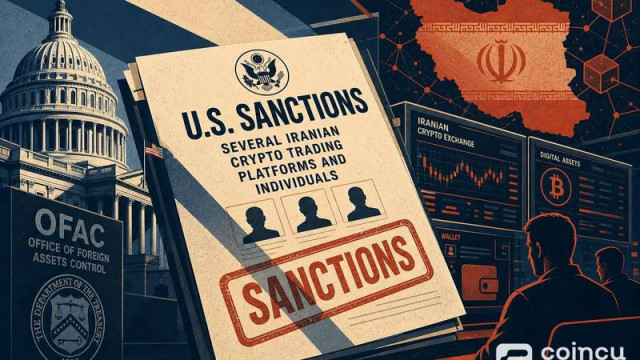
OFAC designated multiple Iranian crypto platforms and individuals on June 2. Exchanges face immediate screening updates and historical wallet reviews. Secondary sanctions risk rises for weak compliance shops.
Continue with
The U.S. Treasury’s Office of Foreign Assets Control designated several Iranian cryptocurrency trading platforms and connected individuals on June 2, adding them to the Specially Designated Nationals (SDN) list. The action blocks U.S. persons and entities from transacting with them and creates immediate compliance obligations for exchanges worldwide.
The simple read: OFAC expanded its sanctions footprint against Iran-linked digital asset infrastructure. The better market read: this is a network-level enforcement move targeting both the platforms and the people behind them, making rebranding or relaunch harder. For any crypto platform processing transactions involving U.S. persons or infrastructure, the designations mean an immediate screening update and a historical wallet review.
What OFAC’s June 2 Designation Covers
The Treasury Department’s press release confirms multiple Iranian crypto trading platforms were included, not a single entity. By coordinating several platform designations at once, OFAC signalled it treats these services as a connected network facilitating Iranian access to digital asset markets.
Platforms and Individuals Designated Together
Past sanctions actions often targeted corporate entities alone. This one also names specific individuals connected to the platforms. That extends the reach beyond legal entities: even if the platform rebrands or relaunches, the individuals remain on the SDN list, restricting their ability to move funds through any U.S.-connected system. The individual designation shift is a practical enforcement upgrade – OFAC is now chasing the operators, not just the infrastructure.
Compliance Obligations Take Effect Immediately
Any exchange or service provider operating under U.S. jurisdiction, or processing transactions that touch U.S. persons, must screen against the updated SDN list straight away. The designation is effective on publication, so compliance teams should refresh their screening tools within hours. Transaction monitoring systems must account for wallet addresses and identifiers linked to the sanctioned platforms. Failure to do so exposes the exchange to secondary sanctions risk.
Exchanges Face the Biggest Compliance Exposure
Platforms that previously interacted with Iranian crypto trading services – even indirectly – face the highest review burden. Major platforms must ensure their screening tools reflect the new designations promptly. The action also raises counterparty risk questions for any exchange that processed transactions involving the named platforms or wallets.
Custodial Versus Non-Custodial Exposure
Custodial exchanges have direct responsibility because they hold user funds and control transaction flows. They must block any transaction involving a sanctioned address or identifier. Non-custodial services, including wallet providers and DeFi front-ends, face a different but still real risk: if they facilitate transactions that touch sanctioned wallets, they could face enforcement action for failure to implement adequate controls. The Treasury Department has made clear that digital asset infrastructure is within its enforcement reach.