Back to Markets
Stocks● Neutral

Odisha Heatwave Disrupts Regional Economic Activity

Odisha Heatwave Disrupts Regional Economic Activity
ONHUBSRELYNOW

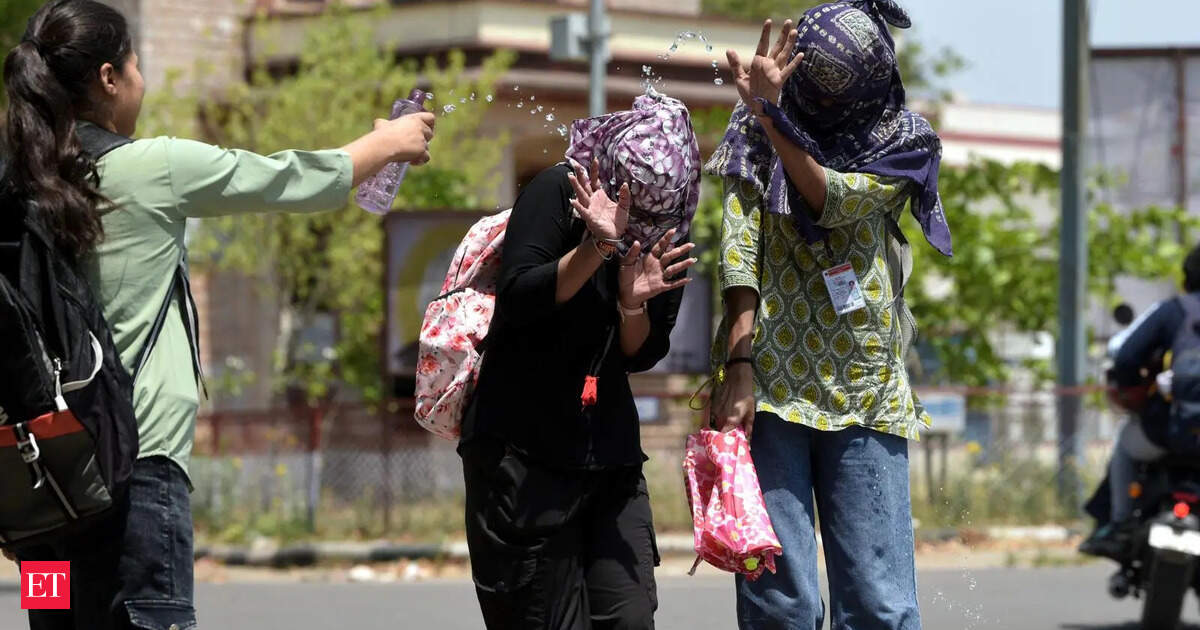
Severe heatwave conditions in Odisha, with temperatures hitting 44.1 degrees Celsius, threaten regional industrial productivity and infrastructure stability.

AlphaScala Research Snapshot
Live stock context for companies directly referenced in this story
Alpha Score
45
Weak

Alpha Score of 45 reflects weak overall profile with strong momentum, poor value, poor quality, weak sentiment.

Technology
Alpha Score
32
Poor

Alpha Score of 32 reflects weak overall profile with poor momentum, poor value, moderate quality, moderate sentiment.

Technology
Alpha Score
50
Weak

Alpha Score of 50 reflects weak overall profile with strong momentum, poor value, moderate quality, moderate sentiment.

Technology
Alpha Score
51
Weak

Alpha Score of 51 reflects moderate overall profile with poor momentum, strong value, strong quality, weak sentiment.

This panel uses AlphaScala-native stock data, separate from the source wire linked above.

Severe heatwave conditions across Odisha have reached a critical threshold, with seventeen distinct locations reporting temperatures exceeding 40 degrees Celsius. The surge in temperatures, led by Jharsuguda at 44.1 degrees Celsius, creates immediate operational challenges for local industries and regional infrastructure. Sustained extreme heat often necessitates shifts in labor productivity and energy consumption patterns, particularly in manufacturing and agricultural hubs that rely on consistent power availability.

Operational Impact of Extreme Thermal Stress

The intensity of this heatwave forces a recalibration of outdoor economic activity. When temperatures consistently breach the 40-degree mark, construction, logistics, and field-based operations frequently face mandatory slowdowns to mitigate health risks. These disruptions ripple through local supply chains, often leading to temporary output volatility in sectors sensitive to environmental conditions. The persistence of these conditions suggests that regional businesses may need to adjust shift schedules or increase cooling-related overhead costs to maintain baseline operations.

Meteorological Forecast and Infrastructure Resilience

Forecasts indicate that the hot and humid conditions will persist across several districts, complicating the recovery of local power grids and water resources. While thunderstorms are expected in select areas on Sunday, the relief provided by such events is often localized and short-lived. The primary concern remains the strain on electrical infrastructure as residential and commercial cooling demand spikes in response to the sustained thermal load. This environment tests the resilience of regional utility providers and the efficiency of energy distribution networks during peak demand cycles.

AlphaScala data reflects a mixed landscape across various sectors, including technology and consumer cyclical stocks. For instance, NOW stock page currently holds an Alpha Score of 51/100, while ON stock page is at 45/100, and AS stock page sits at 47/100. These scores highlight the broader volatility present in stock market analysis as companies navigate both macro-economic and localized environmental headwinds.

The next concrete marker for the region will be the updated meteorological report following the predicted Sunday thunderstorms. If these systems fail to provide significant cooling, the focus will shift toward the potential for government-mandated industrial power rationing or extended work stoppages to ensure grid stability. Investors should monitor regional utility filings and local industrial output reports for signs of sustained operational disruption.

How this story was producedLast reviewed Apr 25, 2026

AI-drafted from named sources and checked against AlphaScala publishing rules before release. Direct quotes must match source text, low-information tables are removed, and thinner or higher-risk stories can be held for manual review.

Editorial Policy·Report a correction·Risk Disclaimer