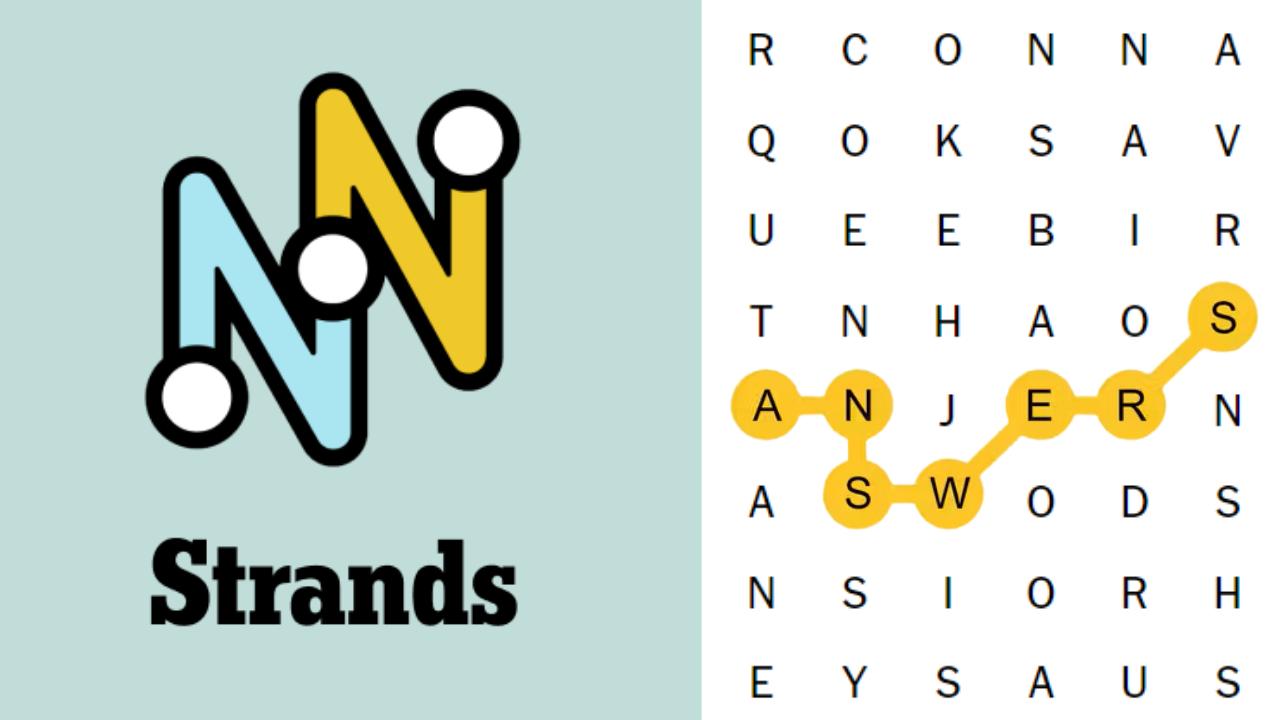
The New York Times Company launched Strands in April, a daily word search game that slots alongside Wordle and Connections in its puzzle stable. The game has already generated regular search traffic and social chatter, including a Father's Day solstice edition this week. For a stock where digital subscription growth is the primary valuation driver, a hit puzzle is not a sideshow. It is a retention tool that reduces churn and lifts ARPU.
The NYT added 300,000 digital subscribers in the first quarter, bringing the total above 10 million. Puzzle games are the acquisition funnel's front door. Roughly one-third of new subscribers come from the games vertical, then upgrade to news bundles. Strands sits in a sweet spot. It is harder than Wordle, shorter than Connections, and has the virality of a shareable score card. Early data from app-store ratings and Reddit communities suggests engagement per session is above Wordle's for the same post-launch period.
What matters for the stock is not the puzzle mechanic but the subscription math. The NYT's digital revenue grew 13% in Q1 to $289 million. Games and cooking together grew 24%. Strands adds a new reason for casual users to open the app daily, which pushes retention rates higher. A 50-basis-point improvement in monthly churn would add roughly $15 million in annual revenue at current pricing, by the company's own cohort modelling.
The market has priced much of this in. NYT shares trade at 29x trailing earnings, a premium to peers like Gannett but in line with digital-focused publishers. The NYT stock page shows an Alpha Score of 50/100, neutral, reflecting a mixed risk-reward. The puzzle franchise is a real moat. The valuation leaves little room for error on ad revenue, which fell 8% in Q1. Strands will help the digital story. The next earnings report in late July will need to show it moving the subscriber needle, not just the sentiment needle.