Atlanta and St. Paul made public-private grocery stores work. Kansas City spent $29 million and closed within three years. Mamdani's $70 million plan picks up lessons from both.
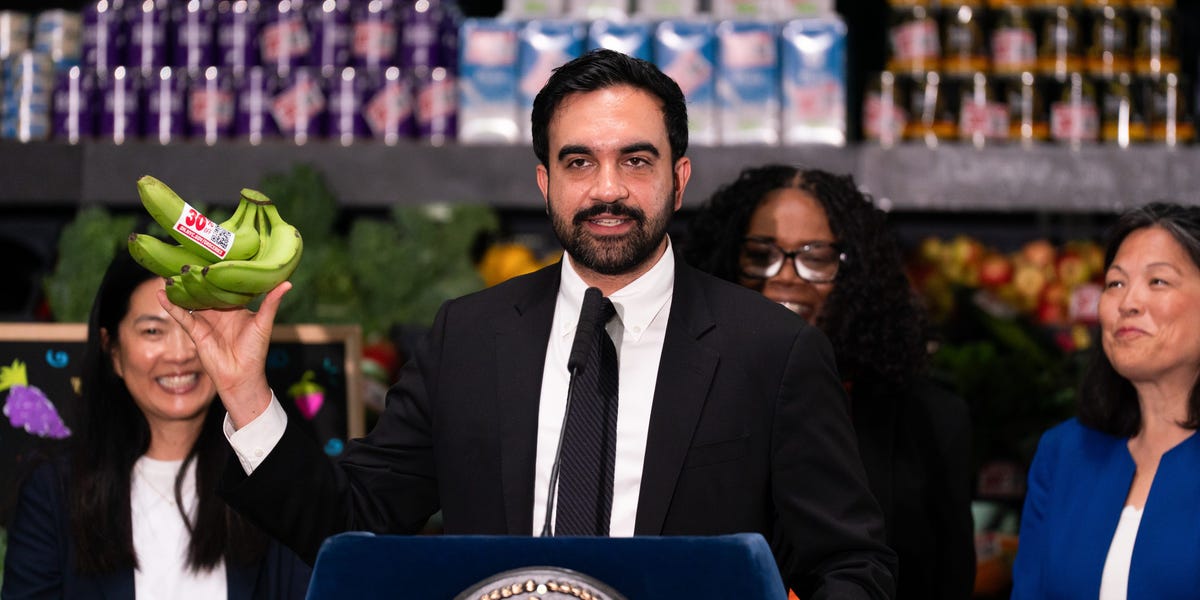
Mayor Zohran Mamdani wants five city-subsidized grocery stores open by 2029, offering shoppers a 30% discount on meat, dairy, and fresh produce. The city has allocated $70 million to launch them and will cover rent through the Economic Development Corporation, which owns the properties.
The model is not new. Other cities have tried public-private grocery partnerships. Some worked. Some failed.
Atlanta's Azalea Fresh Market opened in 2025 and is the closest parallel to New York's plan. The city secured roughly $8 million in grants and no-interest loans for two locations, said Paul Nair, CEO of Savi Provisions, the store's operator. Local leaders handle financing but stay out of staffing, stocking, and logistics. Nair said he makes those calls. He is considering adding in-store coffee shops because drinks carry higher margins than groceries. Buying wholesale through the Independent Grocers of America lets him offer core products at competitive prices. He expects the stores to fund themselves through daily revenue after three to five years. As of June, Azalea reported serving more than 150,000 customers.
Nair said he has consulted with EDC leaders on the New York stores and that picking a strong, experienced operator is the critical variable. "I, as a business businessman, am making the decisions" about day-to-day operations and finances, he said.
St. Paul, Kansas, population just over 600, took a different path. The town's last private grocery closed in the 1980s. The current store opened in 2008 through a public-private partnership, using local economic development funds and a zero-interest loan from the US Department of Agriculture. It shifted to full city ownership in 2013. The city owns the building, eliminating rent. A store representative said daily revenue from shoppers covers overhead.
Other experiments closed. Government-run supermarkets in Baldwin, Florida; Kansas City, Missouri; and Erie, Kansas all shut down. Baldwin could not generate enough revenue with nearby private competition. Kansas City spent $29 million in taxpayer funds to open its store in 2022; the operation lost money and closed in 2025.
Jamie Horton, executive vice president at the EDC, said the New York program is distinct because it mandates affordability, not just food access. "Basically, every other example is almost entirely about food access," Horton said. "They don't have that mandated affordability. That's what really separates our program. We're both." The EDC recently filed a request for proposals seeking experienced grocers to operate the stores. Horton pointed to Azalea Fresh Market as a source of inspiration. "One of the main tools that the city and specifically EDC has is to essentially shoulder real estate costs," he said. "We want this to be as cost-effective and efficient as possible."
Grocery industry advocates argue the city should use the money differently. Laura Strange, chief public affairs officer for the National Grocers Association, said profit margins for grocery stores run 1% to 3% after food, staff, equipment, and real estate costs. She said subsidizing government-run stores to undercut market prices by 30% does not fix what is broken in food retail; it distorts it further. She said making the wholesale buying process easier for independent grocers would do more to lower food costs over time.
Scott Moses, head of grocery investment banking at Solomon Partners, called the plan "Soviet-style, state-run" and said it would make competitive dynamics more difficult for smaller, family-owned grocers. Mark Jaffe, a founder of the Multicultural Business Coalition, which represents local grocery chains and bodegas, said directly supporting small businesses would be a more impactful use of the money. "Hardworking New Yorkers just can't put enough healthy food on their table because it's so darn expensive to live here," Jaffe said. He appreciates that the city is looking for solutions, "but there are better ways to do it."
Drafted by a large language model from the source reporting linked above, then screened by automated publishing checks. It is not read by a journalist before publication. Some articles cite our Alpha Score. Verify prices and figures against the original source. Educational coverage, not personalized advice.