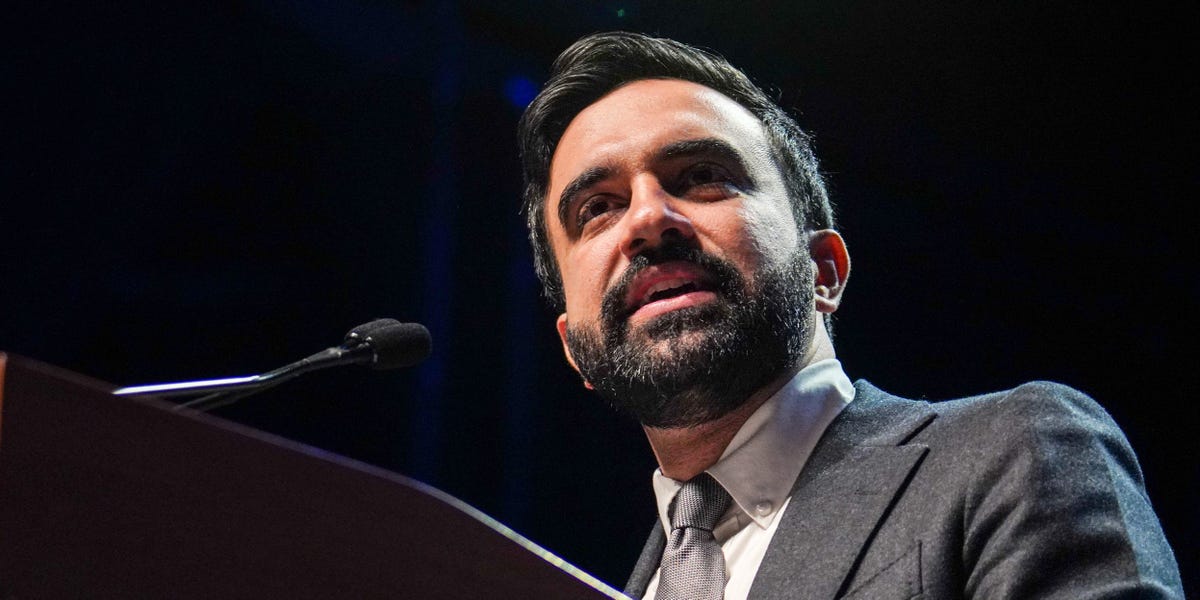
NYC mayoral candidate Zohran Mamdani proposed a new levy on luxury second homes Tuesday, explicitly citing Citadel founder Ken Griffin as a primary target for the tax. The proposal seeks to generate revenue by targeting high-value residential properties held by non-primary residents, framing the move as a necessary step to address the city's housing affordability crisis.
The Fiscal Strategy
Mamdani’s plan focuses on properties valued at $5 million or more that are not the owner's primary residence. By focusing on ultra-high-net-worth individuals who maintain secondary homes in Manhattan, the campaign aims to capture capital that currently remains under-taxed by the city. The rhetoric specifically centers on the concentration of wealth in luxury real estate, using prominent figures like Griffin to illustrate the disparity between current tax contributions and potential revenue gains.
"We are going to make sure that people like Ken Griffin pay their fair share to this city," Mamdani stated during the announcement.
Market Implications for Luxury Real Estate
For investors and traders, this policy proposal introduces a new variable into the valuation of ultra-luxury residential assets in New York. While the current tax environment already includes various levies on high-end property, a specific tax on pied-a-terre units held by non-residents could shift demand dynamics for trophy properties near Central Park and in high-end developments. If this proposal gains traction in local legislative circles, the secondary market for luxury condos may see increased scrutiny regarding ownership status and tax residency.
- Asset Class: Luxury Residential Real Estate
- Target Demographic: Non-primary resident owners of properties valued >$5M
- Policy Goal: Revenue generation for city housing initiatives
Monitoring the Political Risk
Traders should watch for how this rhetoric affects sentiment among developers and institutional investors holding large portfolios of high-end residential stock. Historically, aggressive tax proposals on luxury real estate often face stiff opposition from real estate industry lobbying groups, which can lead to prolonged legislative battles. The focus on specific individuals suggests a populist framing that may gain momentum in a heated election cycle, potentially impacting the market analysis for city-wide infrastructure and housing stocks.
Investors should monitor whether this proposal gains support within the City Council, as any concrete legislative language would likely trigger a repricing of luxury property supply. The focus on individual high-net-worth figures is a clear signal that the campaign intends to keep this issue at the forefront of the fiscal debate, regardless of the immediate economic feasibility of the tax itself. The primary risk remains the potential for capital flight or a cooling effect on new luxury development starts in the city.