What Changed: The Tax Hike Is Dead
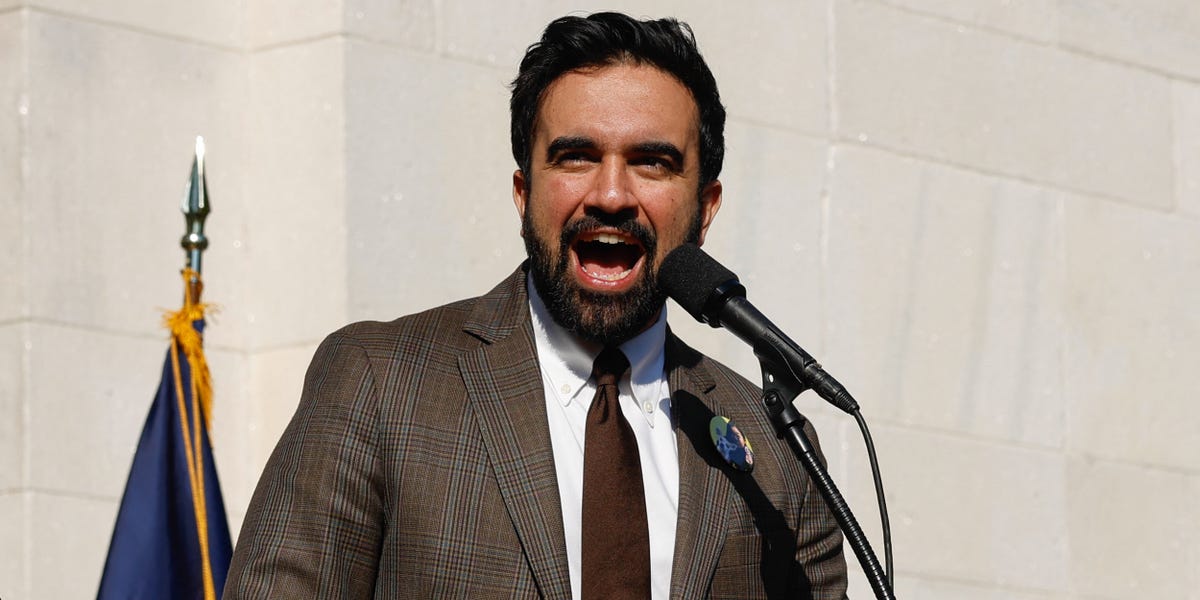
Mayor Zohran Mamdani is officially killing his property tax hike proposal for working New Yorkers, a City Hall source confirmed to Business Insider. The plan, which would have raised taxes on middle-income New Yorkers, is dead. For the city’s real estate market, the decision removes a tax overhang that had threatened to further pressure property values and transaction volumes. Political resistance to new residential taxes remains strong, and that dynamic carries implications for investors tracking New York City exposure.
NYC Real Estate: Removing a Tax Overhang
New York City’s property market has been adjusting to post-pandemic shifts in office use and persistent affordability strains. An additional property tax on middle-income homeowners would have directly reduced their disposable income, dampening housing demand and potentially pushing transaction volumes lower. With the hike off the table, that specific friction disappears. Homebuilders, mortgage lenders, and brokerage firms with heavy NYC footprints avoid a scenario where higher taxes accelerate out-migration and erode the city’s residential tax base.
The municipal bond market also benefits, if only marginally. New York City general obligation bonds are backed by a tax base that would be weakened by an exodus of middle-income residents. Killing the tax hike eliminates a catalyst for that out-migration risk, modestly improving the credit outlook.
NYC-Focused REITs: A Marginal Positive
Publicly traded landlords with concentrated New York City portfolios see a small but clear removal of a negative catalyst. SL Green Realty Corp. (SLG), Manhattan’s largest office landlord, has been stabilizing its holdings amid work-from-home headwinds. Vornado Realty Trust (VNO) and Empire State Realty Trust (ESRT) also operate significant NYC office and retail space. While the commercial property tax framework differs from residential, the indirect effects–weaker housing demand rippling into consumer spending and political sentiment–would have been unwelcome. The dead hike keeps the operating climate from deteriorating further on the tax front.
Consumer-facing companies with dense NYC presence, from restaurant groups to regional banks, get a similar reprieve. The middle-income households that would have paid higher taxes are the same ones that drive foot traffic and loan activity. Retaining that cash flow supports baseline economic activity.
City Budget Negotiations
The budget gap that prompted the proposal remains. Mayor Mamdani will need to find alternative revenue sources or spending cuts. The city’s budget negotiation cycle now becomes the next catalyst. Any substitute measures–whether new fees, commercial tax adjustments, or service cuts–could reintroduce fiscal risk for the same set of assets. Investors in NYC real estate and related equities can remove the specific property tax threat from their models. They must still monitor the broader fiscal path; any substitute revenue measures could reintroduce risk.
For further analysis on trading municipal bonds and REITs, see best stock brokers. For ongoing coverage of market-moving policy shifts, visit stock market analysis.