Stocks● Neutral
NYC Mamdani Plan: $900M for Faster Buses, Free Rides on Hold
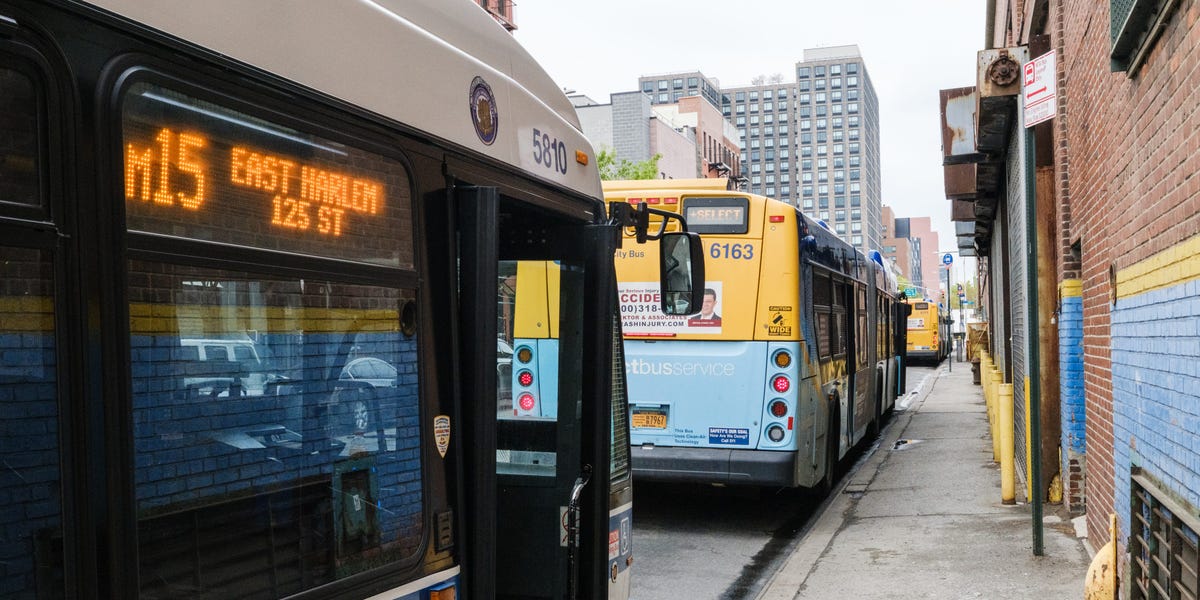
NYC Mayor Mamdani's $900M bus plan targets speed before free fares. Riders say they prefer faster commutes over zero-cost rides. Here's the math behind the choice.
Continue with
Sarah Moelis swirls the ice in her Dunkin' coffee as she rides the M15 bus up Manhattan. Some days she has to run to catch it. The 27-year-old is one of a dozen riders who told Business Insider they would rather see faster buses than free ones in Mayor Zohran Mamdani's bus promise.
The Mamdani administration is starting to show how it plans to deliver. Working with Gov. Kathy Hochul, the city is spending $900 million over five fiscal years on quicker routes, new equipment, and better bus stops. The first phase covers five key routes in Brooklyn, Queens, and the Bronx out of 50 targeted corridors.
Elizabeth Adams, the city's Bus Czar, put it simply this spring: "The mayor knows that a free bus is only good if it comes."
The administration says three changes will make buses faster. First, bus improvements – stronger maintenance, all-door boarding in every vehicle, and working tap-to-pay features on all buses. Second, better bus stops with seats, shelters, trees, and real-time schedule displays. Third, keeping bus lanes clear. That means wider bus areas on major avenues and automated cameras to catch drivers using transit lanes illegally.
The Mayor's Office said these steps will shorten commutes, reduce traffic collisions, and speed up buses across the city. Critics worry that adding bus infrastructure could worsen congestion and shrink parking. On some routes, automated cameras have issued thousands of mistaken tickets.