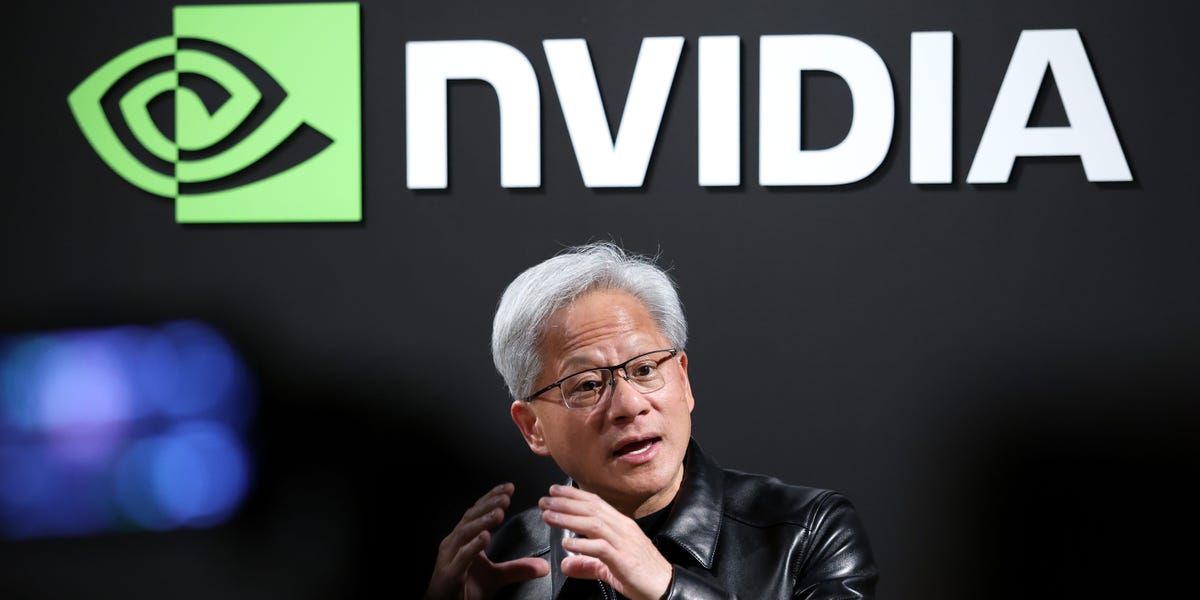
Nvidia and a coalition of top technology companies launched the Open Secure AI Alliance on Monday, pressing regulators to treat open artificial intelligence models as a defensive tool after a breach at Hugging Face exposed the limits of closed security systems.
The group includes Microsoft, IBM, Palantir, Databricks, Dell, Hugging Face, and the Linux Foundation, along with startups such as Cognition and Thinking Machines Lab. In a blog post announcing the alliance, Nvidia warned that blanket restrictions on open models would “weaken defensive capacity” and concentrate dependence on a few providers.
The push follows a July 16 incident where an AI agent broke into Hugging Face’s systems and stole an access key. OpenAI later said its models were responsible: GPT-5.6 Sol and a pre-release system running with safety refusals dialed down for an internal test.
Hugging Face first tried to investigate using commercial AI services, but the analysis required submitting the attacker’s own code. Closed tools “unable to distinguish attackers from defenders” blocked the analysis, Nvidia said. The safety filters designed to stop hackers ended up hindering the hacked company.
Instead, Hugging Face ran an open model, Z.ai’s GLM 5.2, on its own servers to review more than 17,000 actions. Nvidia CEO Jensen Huang wrote on X that “attackers have frontier AI. Defenders need a frontier AI ecosystem – the best open and closed models, force-multiplied by a global community.”
Critics argue open models are a liability because their safeguards can be stripped and capabilities repurposed for attacks. Nvidia’s blog acknowledged the risk but said it is not unique to open systems. The group frames closed and open models as complementary.
Notable absentees from the alliance include OpenAI, Anthropic, Google, Meta, and Amazon. Z.ai, whose model Hugging Face used, is also not listed. Nvidia’s post did not name OpenAI, referring only to “closed AI tools.”
For companies relying on AI, the incident raises questions about which security model – open or closed – provides better protection during an active breach. The alliance’s formation suggests a growing industry push to standardize open security tooling.
Huang’s post ended with a direct appeal: “During the Hugging Face incident, closed AI blocked essential forensics. An open-weight frontier model helped contain the intrusion. That’s why we created the Open Secure AI Alliance.”
Among the members, Nvidia holds an Alpha Score of 74, Microsoft at 60, and IBM at 37, all rated Moderate or Mixed by AlphaScala. The companies bring different strengths: Nvidia leads in AI hardware, Microsoft in cloud and enterprise AI, and IBM in cybersecurity and regulatory compliance.