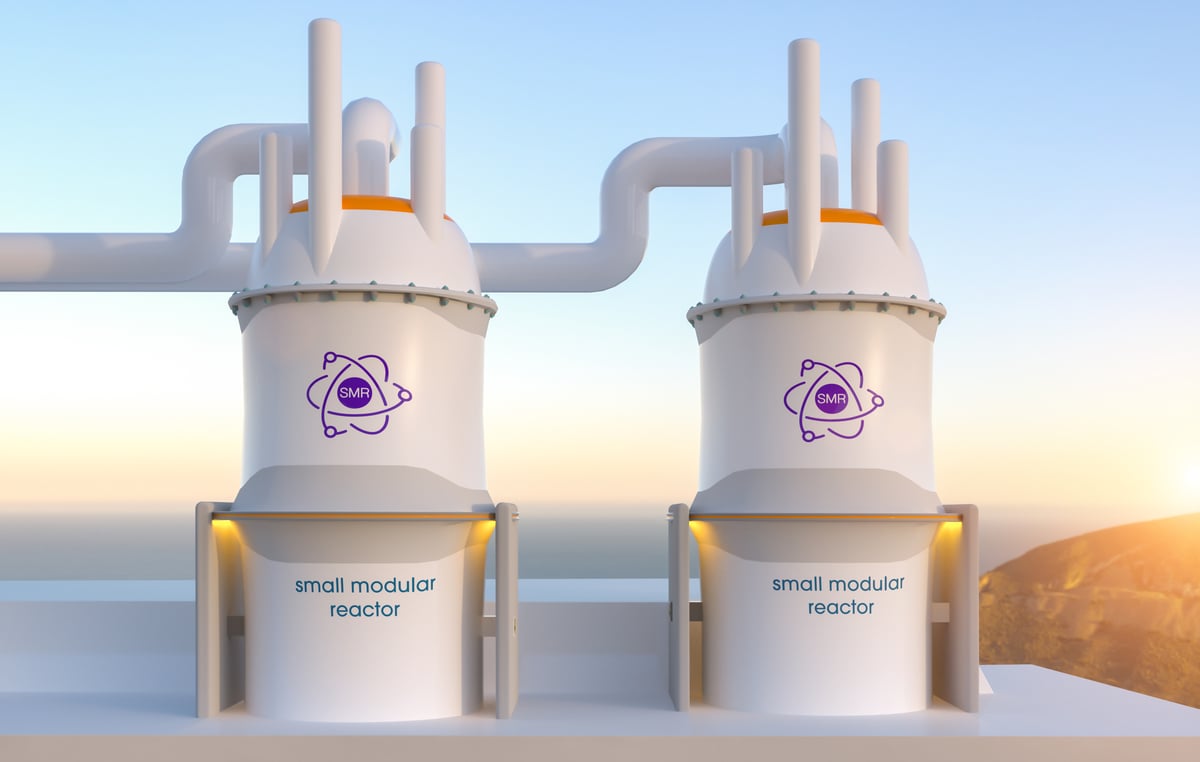
NuScale Power (NYSE: SMR) has entered a period of heightened volatility, with shares declining nearly 30% since the start of 2026. This downward pressure follows a sharp 15% single-day drop, signaling a shift in investor sentiment regarding the company's long-term capital requirements and project execution timelines. As the firm navigates the transition from design to commercial deployment, the market is increasingly focused on the sustainability of its cash burn and the viability of its small modular reactor technology in a high-interest-rate environment.
Capital Intensity and Project Viability
The core challenge for NuScale remains the immense capital expenditure required to bring nuclear technology to market. Unlike software-driven sectors, the nuclear energy industry demands significant upfront investment before any meaningful revenue generation occurs. This creates a binary outcome for investors: either the company successfully secures long-term utility partnerships and regulatory approvals, or it faces the prospect of further equity dilution to bridge the funding gap. The recent selloff suggests that the market is beginning to price in the risk of extended timelines, which would inevitably increase the cost of capital and strain the company's balance sheet.
Sector Read-Through and Energy Infrastructure
NuScale operates within a broader energy sector that is currently grappling with the tension between decarbonization goals and infrastructure costs. While the demand for reliable, carbon-free baseload power is rising, the execution risk associated with first-of-a-kind technology remains a primary concern for institutional capital. Investors are comparing NuScale's progress against more established utility providers, such as those found on the D stock page. While utilities offer a different risk profile, the comparison highlights the market's preference for cash-generative assets over speculative growth stories in the current economic climate.
AlphaScala data currently reflects the broader landscape of industrial and healthcare-related equities, where companies like Agilent Technologies, found on the A stock page, maintain an Alpha Score of 55/100. This moderate score underscores the difficulty of maintaining valuation premiums in sectors that require heavy R&D or capital investment. NuScale's ability to decouple its stock performance from broader market selloffs will depend on its ability to meet specific milestones without further delays.
Key markers for the company's path forward include:
- The successful finalization of pending utility contracts that provide clear revenue visibility.
- Updates on regulatory milestones that reduce the perceived risk of project cancellation.
- Management's strategy for managing liquidity without resorting to dilutive financing rounds.
As the company moves through the next fiscal quarter, the focus will remain on whether it can demonstrate a clear path to profitability. The market is no longer rewarding the promise of future technology alone; it is demanding tangible evidence that the business model can withstand a period of sustained capital market pressure. The next major filing will be the primary indicator of whether the company has successfully stabilized its funding position or if it faces a more protracted period of operational uncertainty.