Stocks● Neutral
Nintendo's Ocarina Remake: Switch 2's Launch Anchor
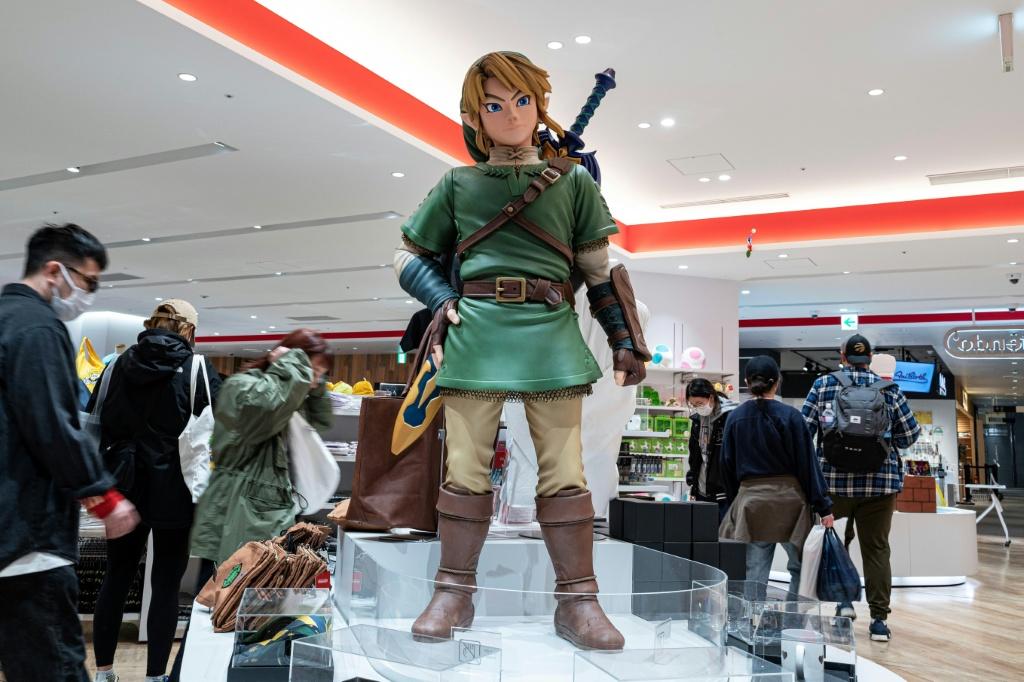
Nintendo's Ocarina of Time remake for Switch 2 arrives in 2025. The sparse announcement signals a two-year promotional arc tied to the 40th anniversary and a 2027 live-action film.
Continue with
Nintendo announced a remake of The Legend of Zelda: Ocarina of Time for the Switch 2 console on Tuesday. The 1998 original on the N64 defined 3D action-adventure mechanics. Its lock-on combat system is now an industry standard. The remake arrives in 2025, the series' 40th anniversary year.
Nintendo provided few details on the livestream. The company said only that the game will ship this year. That sparse disclosure tells its own story.
The Switch 2 Launch Window and Hardware Attachment
Nintendo typically uses flagship remakes to drive early hardware adoption. The 2011 3DS remake of Ocarina of Time updated graphics for that handheld's 3D screen and became a system seller. The Switch 2 version follows the same playbook: a proven title with a 25-year track record, rebuilt for a new console's capabilities.
What matters for the hardware launch is attach rate – the number of games sold per console. A single high-demand title can lift attach-rate expectations for the entire first year. If Nintendo prices the Switch 2 competitively and the remake ships within the first six months, the hardware cycle gets a demand tailwind that competitors in the handheld space – the Steam Deck, the Asus ROG Ally – do not have.
The Series' Long-Term Revenue Cycle
Nintendo's Zelda IP operates on an irregular release cadence. Tears of the Kingdom (2023) sold over 20 million units in its first year. The Ocarina remake slots into a gap year between major new entries, generating catalog revenue without cannibalizing a flagship launch.
The 40th anniversary angle is the scheduling anchor. Nintendo has a history of bundling remakes, remasters, and special-edition hardware around franchise anniversaries. The 2025 window lets the company control hype flow: confirm the release date at a mid-2024 Direct, ship the game in late 2025, and let the film trailer (2026) pull in new audiences.