Stocks● Neutral
Nintendo Switch 2 Gets Replaceable Batteries for EU Market
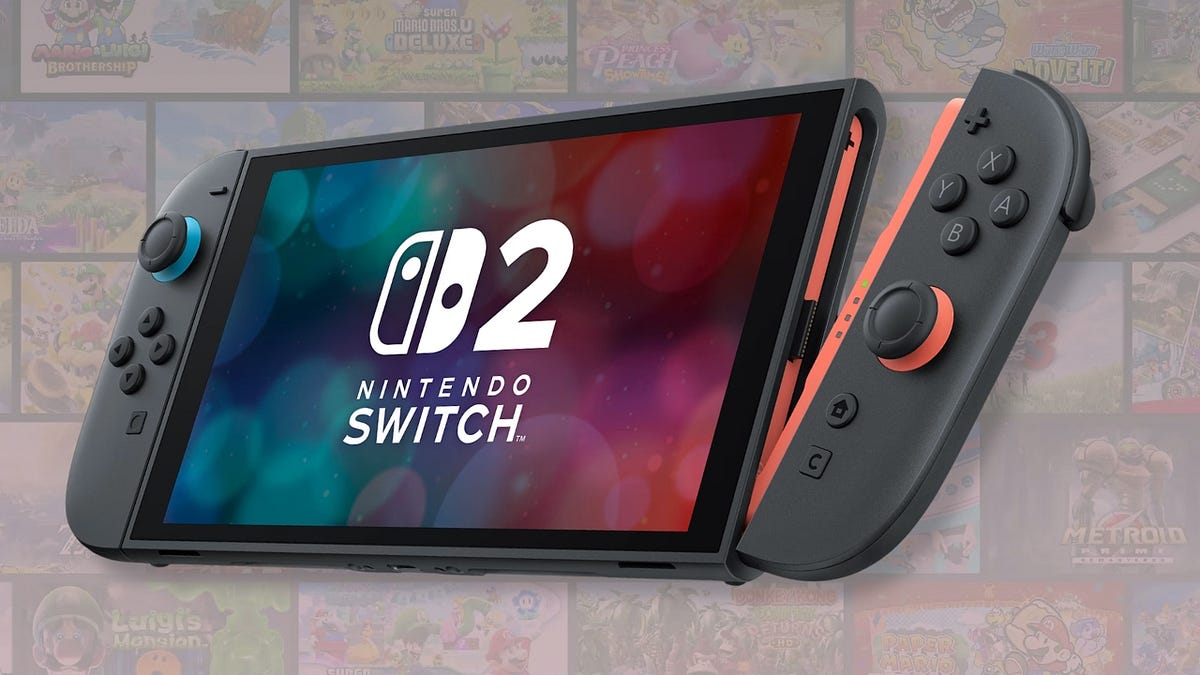
Nintendo will launch Switch 2 with user-replaceable batteries in Europe from summer 2026, complying with EU Right to Repair rules. The hardware changes add weight but cut battery size.
Continue with
Nintendo will launch a revised Switch 2 in Europe this fall with user-replaceable batteries, the company confirmed in a support update. The hardware change, first reported by Nikkei and cited by IGN, is driven by the European Union's Right to Repair directive, a 2023 regulation that requires manufacturers to make product repairs more affordable and accessible. Nintendo said the revised consoles and peripherals will roll out on a staggered basis starting summer 2026, ahead of the February 2027 compliance deadline.
The shift is not cosmetic. The new Switch 2 handheld will weigh 548 grams, up from 534 grams, while the battery itself shrinks 1 percent. Joy-Con 2 controllers and Pro Controllers will see a 7 percent battery size reduction and weigh about 7 grams less. Nintendo emphasized there will be no difference in functionality between current and revised products. Replacement kits will be available in Europe at a later date.
For traders watching Nintendo (NTDOY), the headline is straightforward: the company is adapting hardware to meet regional regulation. The better read involves cost and timing. Retooling production lines for two battery configurations – one for Europe, one for the rest of the world – adds supply chain complexity. Nintendo warned that revised products may not arrive in all European countries simultaneously, citing a variety of factors. That suggests a phased rollout that could create temporary inventory mismatches.