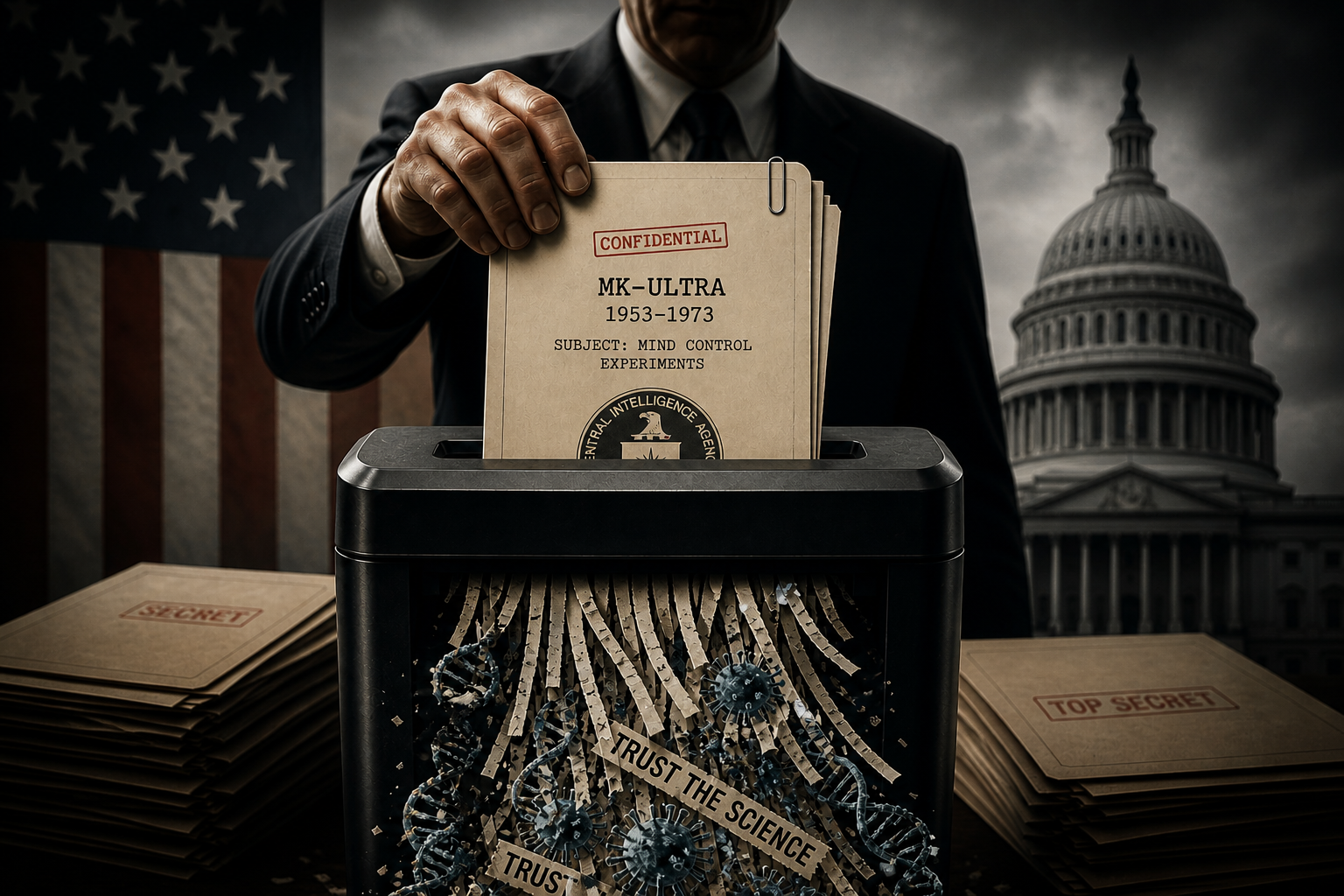
The indictment of Dr. David Morens for obstructing a federal probe into Covid-19 origins exposes systemic risks in institutional health data and policy.
The indictment of Dr. David Morens, a former senior advisor at the National Institutes of Health (NIH), marks a critical shift in the accountability landscape for federal health institutions. Federal prosecutors charged Dr. Morens with obstructing an investigation into the origins of Covid-19, specifically alleging that he used personal email accounts to circumvent Freedom of Information Act (FOIA) requirements. This legal action brings into focus the internal mechanisms used to manage public narratives regarding the $8 million in grant funding routed through EcoHealth Alliance to the Wuhan Institute of Virology. For market participants, the significance lies not only in the legal outcome for an individual but in the systemic erosion of institutional credibility that defined the 2020-2022 period.
The indictment details a deliberate strategy to shield agency communications from public scrutiny. Dr. Morens allegedly instructed the president of EcoHealth Alliance to route sensitive correspondence to his personal Gmail account, explicitly noting his proficiency in making emails disappear after a FOIA request was filed but before the search commenced. This behavior directly contradicts the federal records laws that mandate the preservation of all official communications. When a formal Senate document request arrived in June 2021, Dr. Morens claimed to have retained very few documents, a statement now challenged by the Justice Department's findings.
This pattern of behavior mirrors the broader institutional push to suppress the lab leak hypothesis during early 2020. Internal communications from that period, including emails from then-NIH Director Francis Collins to Anthony Fauci, characterized the lab leak theory as a destructive conspiracy. The objective was not scientific inquiry but the active suppression of any narrative that linked the NIH to the specific gain-of-function research conducted at the Wuhan Institute of Virology. The financial trail, which only surfaced through the discovery of misplaced records, confirms that the agency's public stance was fundamentally misaligned with its internal funding activities.
The fallout from these disclosures extends beyond the NIH to the broader ecosystem of public health agencies, including the CDC and the FDA. The systematic misrepresentation of data—ranging from the classification of hospitalizations to the efficacy of masks and the denial of natural immunity—has created a persistent trust deficit. For sectors heavily reliant on government-sanctioned health protocols, this creates a valuation risk. When institutional guidance is viewed with skepticism, the adoption rates for future public health initiatives, medical interventions, and regulatory compliance frameworks become increasingly unpredictable.
Market participants must account for the reality that the "trust the science" mandate was, in practice, a narrative-management exercise. The economic costs of these policies were profound, contributing to record overdose deaths, significant learning loss, and the collapse of small businesses. As the legal process against Dr. Morens unfolds, the focus will shift to whether this indictment is an isolated event or the beginning of a broader audit of institutional decision-making. The AlphaScala framework suggests that any further discovery of suppressed documentation could trigger a re-evaluation of the risk premiums associated with firms heavily integrated into federal health procurement and policy-setting cycles.
The indictment serves as a concrete marker of shifting political and legal winds. While the legal system is slow to address the institutional deceit that characterized the pandemic response, the formalization of these charges provides a baseline for future accountability. Investors should monitor the following indicators to assess the potential for further institutional volatility:
For those tracking broader market stability, the erosion of trust in these agencies is a structural headwind. The pandemic’s collateral damage, including the 44% of high school students reporting persistent sadness or hopelessness in 2021, represents a long-term drag on human capital and economic productivity. The Morens indictment is a necessary, if late, acknowledgment of the mechanisms used to maintain a false consensus. As the legal process continues, the market will need to price in the potential for further institutional restructuring and the long-term consequences of the policy failures that defined the era. For more on institutional risk and sector analysis, see our stock market analysis page.
AI-drafted from named sources and checked against AlphaScala publishing rules before release. Direct quotes must match source text, low-information tables are removed, and thinner or higher-risk stories can be held for manual review.