Stocks● Neutral
Nigeria's 11B-Payment Fintech Engine Still Leaves 26% Excluded
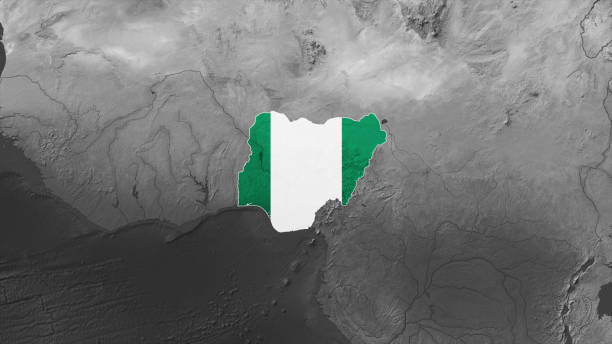
Nigeria's fintech system processed 11 billion payments in 2024, yet 26% of adults remain excluded. Open banking delays, naira volatility, and tighter regulation create the sector's biggest risks for 2026.
Continue with
Nigeria's real-time payment infrastructure processed nearly 11 billion transactions in 2024, more than double the volume from 2022, the Central Bank of Nigeria's 2025 Fintech Report shows. That figure places the NIBSS Instant Payment platform among the world's busiest. The same report found that 26% of Nigerian adults remain outside the formal financial system. In rural communities and northern states, exclusion rates run higher.
The gap between payment volume and financial inclusion is the defining tension of Nigeria's next fintech phase. The easy wins – mobile money, agency banking, merchant payments – have been captured. The next layer requires infrastructure that is slower to deploy and harder to monetize: open banking, digital identity, credit bureaus, and interoperable agent networks.
Open banking offers a concrete example of the bottleneck. Nigeria was one of the first African countries to adopt a regulatory framework for data sharing between banks and licensed fintechs. The CBN released the guidelines in 2021. Banks have been cautious about exposing APIs. Many fintechs lack the compliance systems to meet data privacy standards, according to local market reports. SME lending, which the framework was meant to unlock, has not accelerated meaningfully. If open banking implementation does not pick up, the credit gap for small businesses will persist through 2026.
Currency volatility compounds the infrastructure problem. The naira has lost roughly 70% of its value against the dollar over the past two years. Cloud infrastructure costs, which most Nigerian fintechs pay in dollars, have risen sharply. Margins on foreign-currency payment corridors have compressed, and several digital lenders have reduced origination volumes, local reports show. The CBN's focus on exchange-rate stability means fintechs cannot hedge effectively through the official market.
Competition is intensifying from outside Nigeria. Kenya's M-Pesa has expanded into West African lending and savings products. South African banks are deepening digital offerings in Nigeria. Moroccan fintechs, backed by European capital, are entering the market. Nigerian firms that built their advantage on first-mover scale now face rivals with deeper pockets and more predictable home currencies. The pressure is most acute on smaller challenger banks and fintech lenders that lack the revenue base to absorb a prolonged naira drag.